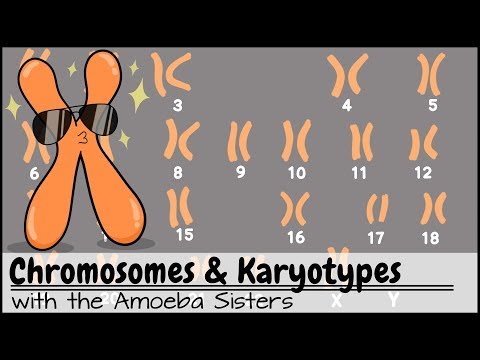
Alright, so picture this: your friend walks into a party, and you realize they’re wearing totally mismatched socks. Kind of a funny sight, right? But hey, that wacky combo is just like your chromosomes in a way—each one is unique, helping to create the colorful patchwork that is you.
Now, let’s get into the nitty-gritty of it—human chromosomes are like the ultimate recipe book for making us who we are. There are 23 pairs of them in our cells. Yep, that means we’re all walking around with 46 little bundles of genetic instructions. Crazy, right?
These chromosomes hold the keys to our traits, quirks, and even those weird habits you can’t quite shake off. And guess what? The mix-up and shuffle that happens when we inherit them from our parents adds up to some serious genetic diversity. It’s like nature’s way of keeping things interesting!
Unlocking Genetic Diversity: The Role of Chromosomes in Evolution and Variation
So, let’s chat about **chromosomes** and how they play a huge role in making us all unique. Seriously, it’s like the ultimate recipe book for life. Each of us has a specific set of chromosomes that hold our genetic information. In fact, humans have **23 pairs** of these bad boys—totally 46!
When it comes to **genetic diversity**, chromosomes are the real MVPs. They carry genes, which are basically instructions for everything our bodies do. The thing is, not everyone has the same version of each gene. That variation is critical! It’s what makes you different from your friend or family member.
Imagine you’re baking cookies. You have a basic cookie dough recipe, but you can mix in chocolate chips, nuts, or dried fruit to make each batch unique. Well, genes work kind of like those ingredients! Variations in genes can lead to different traits in people—like eye color or height.
Now, let’s break down a few key points about chromosomes and their role in genetic diversity:
- Meiosis: This is the process where chromosomes get shuffled around during reproduction. It’s like a genetic game of cards! When sperm and egg cells are formed, they mix up which chromosomes go where.
- Crossover: During meiosis, chromosomes can swap bits with one another—a process known as crossing over. This creates new combinations of genes. It’s nature’s way of keeping things fresh!
- Mutations: Sometimes there are changes in the DNA sequence itself—these are called mutations! They might happen due to errors when DNA is copied or from environmental sources (like radiation). Not all mutations are bad; some can even result in helpful variations.
- Population Diversity: The more diverse a population’s chromosomes are, the better it can adapt to changes in environment or disease threats. Think about it: if everyone had the same genes, we’d be much less resilient.
So here’s an emotional note: There was this study on how some tiny island populations deal with extreme changes like rising sea levels due to climate change. Those with more diverse genetics among their members were found to adapt better than those with less variety. It really shows how important this chromosome business is for survival!
Finally, here’s something interesting—chromosomes don’t just help with physical traits; they can influence behavior too! Like certain musical abilities or even risk-taking behavior might be tied back to specific gene variations on your chromosomes.
In closing, understanding **chromosomes** not only helps us see what makes each person unique but also highlights their essential role in our evolution and survival as species over time. So next time you think about your own quirks or talents, remember—there’s a whole world inside those little structures that makes you who you are!
Exploring Genetic Similarities: The Fascinating Truth Behind Humans, Bananas, and Chimpanzees in Scientific Research
So, let’s get into the wild world of genetics and see how closely we’re related to some unexpected cousins—like bananas and chimpanzees. Yeah, it sounds a bit out there, but stick with me here!
Humans and Chimpanzees: First off, you may have heard that humans share about 98% of our DNA with chimpanzees. I know, right? That’s a huge chunk! This similarity is pretty mind-blowing when you think about it—because we’re not just talking about being related in a distant family tree kind of way; it’s more like we’re talking similar operating instructions for building bodies and brains.
The Role of Chromosomes: Human DNA is organized into structures called chromosomes. We humans have 46 chromosomes, arranged in 23 pairs. These chromosomes carry the genes that are responsible for everything from eye color to how our immune system works. The fascinating thing is that chimps also have 48 chromosomes but share much of the same genetic information with us.
You might be wondering: If we share so much DNA, why do we look different? Well, even tiny changes in just a few genes can lead to big differences in traits. Think about how two siblings can resemble each other yet still be incredibly unique—that’s kind of what’s going on here!
Now, What About Bananas? Shifting gears to bananas—believe it or not, around 60% of our DNA is shared with them too! It sounds crazy at first because obviously,we’re not making banana smoothies or growing peels instead of skin! But when you look closely at genes responsible for basic cellular functions—like how cells grow and divide—that similarity starts to make sense.
The truth is that all living organisms share some genetic material because we all come from common ancestors way back in time. It’s like a giant family reunion spread across millions of years!
- Diversity Within Us: Despite sharing such similarities with chimps or bananas, humans are pretty diverse as a species. Our different combinations of genes create unique traits like height, skin color, and even susceptibility to certain diseases.
- The Impact of Environment: This diversity isn’t just about genetics though; environment plays a big role too! Nutrition and lifestyle can impact how our genes express themselves.
- The Future of Genetics: With advancements in scientific research—like gene editing through CRISPR—we’re starting to understand more about these genetic connections and their implications for everything from health to agriculture.
If you ask me, this whole idea that we’re genetically close to both chimps and bananas is a great reminder that life on Earth is interconnected in ways we might never fully grasp. It’s like nature’s way of saying “We’re all part of one big story.” And honestly? That’s pretty cool!
Exploring the Role of Human Chromosomes in Genetic Diversity: A Comprehensive PDF Guide
Sure! Let’s break down the fascinating topic of human chromosomes and their role in genetic diversity in a friendly and easy-to-follow way.
Human Chromosomes: The Basics
So, first things first, what are chromosomes? Well, they’re these long strands of DNA that contain our genes. Think of them like tiny instruction manuals for everything your body is and does. Humans have 23 pairs of chromosomes—so that’s a total of 46. You inherit half from your mom and half from your dad. Isn’t that cool?
The Importance of Genetic Diversity
Now, onto genetic diversity! This term refers to the variety of genetic traits within a species. It’s super important for evolution and survival. Why? Because it allows populations to adapt to changing environments. If all humans were genetically identical, we’d be much more vulnerable to diseases or environmental shifts.
Chromosomes’ Role in Diversity
Here’s where our friends, the chromosomes, come into play. They carry genes, which can have different variations called alleles. These variations happen due to mutations over time or because of changes in the environment. When chromosomes shuffle around during reproduction—through a process called meiosis—you get unique combinations of alleles in offspring. That’s one way we all end up looking different!
- Mutation: Changes in DNA that can lead to new traits.
- Crossover: During meiosis, chromosome pairs swap bits of DNA; this mixes up genetic material.
- Independent Assortment: Chromosomes are randomly distributed to gametes, leading to diverse combinations.
So, basically, every time people reproduce, there’s potential for new combinations that contribute to our vast array of traits—from eye color to disease susceptibility.
Anecdote Time!
I remember when I learned about genetics in high school science class. We did this fun activity where everyone had to draw their family tree and highlight traits—like who had curly hair or blue eyes. It was surprising how those simple features could tell a story about genetics and ancestry! Each family has its own mix based on the genes carried by their ancestors.
The Big Picture
In a nutshell, human chromosomes are essential players in shaping who we are as individuals while also helping us maintain genetic diversity as a species. That diversity is vital for adaptation and survival across generations—it ensures we’re not just carbon copies running around without resilience.
So next time you think about what makes you unique or how humans can thrive despite all kinds of challenges—remember those little packages of DNA dancing around in your cells! They’re not just busy keeping you healthy; they’re also preserving the amazing variety that makes life so special!
You know, chromosomes are like the little instruction manuals for your body. Isn’t that wild? Each human has 23 pairs of these things, and they hold all the genetic material that makes you, well, you! I remember when my biology teacher pulled out a giant chart showing what chromosomes actually look like. It kind of blew my mind. There were these colorful X-shaped things all lined up, and you could almost feel the history of life in that room.
So here’s the deal—genetic diversity comes from those chromosomes mixing and matching during reproduction. When a sperm and an egg come together, they don’t just shuffle one chromosome from mom and one from dad; they mix them up in a whole bunch of ways to create something new. This is why siblings can look so different from each other or why you might have traits that don’t seem to come from either parent.
But it’s not just about parents passing down traits. Sudden changes—like mutations—can happen too! Sometimes those little glitches in the DNA can lead to variations that might give rise to new abilities or characteristics over generations. Isn’t it kind of poetic how life adapts through tiny changes?
And then there’s the whole idea of natural selection. Some traits are more suited for specific environments than others. Imagine if you lived in a super sunny place, being fair-skinned might not do you any favors compared to someone with darker skin who can better protect themselves against sun damage. The ones who thrive end up passing down their chromosomes further.
It’s fascinating how all this plays into larger conversations about health and disease as well. Some genetic variations can make you more susceptible to certain conditions while others might shield you from them. It’s like we’re all part of this big genetic tapestry woven over countless generations, each thread representing unique backgrounds and stories.
So yeah, human chromosomes pack a punch when it comes to diversity! They’re not just technical components; they’re what make us unique individuals with histories we may never fully understand but still share as a collective humanity. It really makes you stop and think about the beautiful complexity of life itself, doesn’t it?