You know how sometimes you look at a family photo and can’t help but laugh at who inherited what? Like, why does Uncle Joe have such weird hair while Grandma is still rocking those luscious locks at 80? Seriously, it’s wild! That’s all thanks to genes—specifically, these things called autosomal genes.
So, autosomal genes are the ones you get from both your parents, not your spicy Uncle Carl who always claims he’s “one of a kind.” They play a huge role in shaping everything from your eye color to your knack for math (or lack thereof).
It’s kind of mind-blowing when you think about it. These little pieces of DNA are busy scripting your story without you even realizing it. And trust me, the plot twists are real! So let’s dig into this genetic adventure and see what makes us, well… us!
Understanding the Role of Autosomal Genes in Genetics: Functions and Implications
Alright, let’s chat about autosomal genes and their role in genetics. It can sound a bit heavy, but stick with me, and I’ll break it down for you.
So, first off, what are autosomal genes? Well, these are the genes located on the autosomes, which are basically the non-sex chromosomes. Humans have 22 pairs of these autosomes plus one pair of sex chromosomes (X and Y). The thing is, autosomal genes are vital because they carry a lot of our genetic information—like the traits we inherit from our folks.
You see, genetic traits like eye color or even your tendency to catch a cold can come from these autosomal genes. When your parents pass on their DNA to you, it’s these genes that dictate so much about what makes you… well, you!
Now let’s talk functions:
- Traits and Characteristics: Autosomal genes are responsible for numerous characteristics like height or hair type. For instance, if both your parents have curly hair because of their autosomal genes, there’s a decent chance you might end up with curls too!
- Disease Susceptibility: They also play a role in how susceptible you are to certain diseases. Some genetic disorders result from mutations in these genes. Take cystic fibrosis—it comes from a mutation in an autosomal gene.
- Genetic Variation: Autosomal genes contribute to variation within the species. This diversity is super important for evolution! It allows populations to adapt over time through natural selection.
A while back, I remembered hearing about a family whose members all had this specific genetic condition caused by an autosomal recessive gene. They were super close-knit and supportive through their struggles—it really highlighted how deeply intertwined genetics can be with family dynamics.
Implications? Oh yeah!
- Medical Research: Understanding these genes helps scientists develop treatments for diseases linked to them. The more we know about how they function and interact with others, the better our chances at finding cures.
- Your Own Genetic Health: Companies offer tests that analyze your autosomal DNA to predict health risks or traits. It’s kind of like having a heads-up about your medical future.
- Cultural and Ethical Considerations: With this knowledge comes responsibility! As we uncover more about our genetic makeup from these autosomes, questions arise around privacy and discrimination based on genetic information.
The field is evolving fast! Each discovery leads us closer to understanding not just what our genes do but how they fit into the bigger picture of who we are as individuals—and as humans overall.
Taking all this into account emphasizes just how fascinating—and complex—the world of autosomal genetics can be. So next time you think about why you have your mom’s nose or dad’s quirky laugh—just remember that those little quirks could be tied back to some tiny codes within those important autosomes!
Understanding the Role of Autosomes in Human Genetics: Functions and Implications
So, let’s talk about **autosomes**. You know, those are the chromosomes that are not directly involved in determining **sex**. Basically, humans have 23 pairs of chromosomes. Out of these, 22 pairs are autosomes, and one pair determines whether you’re male or female. It’s like the blueprint for our bodies!
Now, what do these autosomes do? Well, they carry genes that control a ton of different traits and functions in our bodies. Think about everything from your eye color to how your body processes food—that’s all thanks to these genes on the autosomes.
Here’s why they matter:
- Genetic Disorders: Many genetic conditions arise due to mutations in autosomal genes. For example, sickle cell disease is caused by a mutation in the gene that helps make hemoglobin—it’s found on an autosome.
- Inheritance Patterns: Autosomal traits can be passed down from parents to children regardless of their sex. This means you can inherit traits from either side of your family.
- Diversity and Variation: The variations found in autosomal genes contribute to human diversity. Like, it’s what makes us unique as individuals!
Here’s something kinda cool: you might’ve heard about Mendel’s peas! He figured out how traits were inherited using peas because they have clear traits—like smooth or wrinkled seeds. His work laid the groundwork for understanding genetics and how these autosomal genes play their part.
Now let’s chat about implications. When we look at genetics and medicine, knowing about autosomes is crucial for things like genetic counseling or studying population genetics. If someone has a family history of a particular disorder linked to an autosomal gene, they can get tested to see if they’re carriers or at risk themselves.
But it’s not just medical stuff; it affects agriculture too! Breeders select plants for desirable traits by looking at specific genes on their autosomes—think tastier tomatoes or sturdier wheat.
Honestly, understanding this stuff can feel a bit mind-boggling at times! I remember hearing my professor explain how even tiny changes in one gene could lead to big changes in health outcomes; it really hit home how delicate our genetic makeup is.
To wrap this up: autosomes are essential players in our genetics. They influence traits and health while connecting us through inheritance patterns that shape who we are as individuals and as a species overall!
Understanding Autosomal Dominant Function: Key Insights in Genetics and Inheritance Mechanisms
You might have heard the term autosomal dominant tossed around in conversations about genetics. It sounds complicated, right? But don’t sweat it! Let’s break this down in a way that makes sense.
First off, when we say autosomal, we’re talking about genes located on the first 22 pairs of chromosomes that aren’t involved in determining sex. So, they’re basically the workhorses of human genetics. The 23rd pair is what decides if you’re male or female, but autosomal genes are like backstage crew making sure everything runs smoothly.
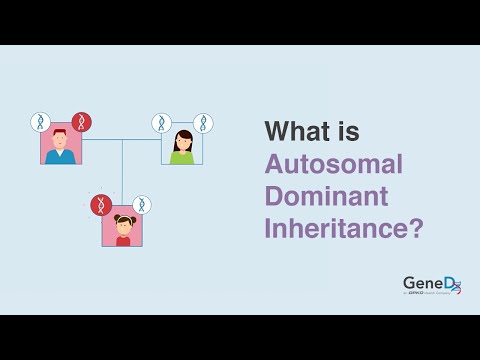
Now, let’s dive into what dominant means. When a gene is dominant, it means that if you inherit just one copy of it from either parent, that trait will show up. Crazy, huh? Imagine you have a friend whose family has this wild curly hair gene that just pops up no matter what. If their parent has curly hair (the dominant trait), there’s a good chance they will too, even if the other parent has straight hair.
Here’s the thing: with autosomal dominant conditions, it only takes one mutated copy of the gene to present the disease or trait. This is different from autosomal recessive, where you need two copies—the one from each parent—to have an effect. Think about how in movies sometimes only one actor can steal the show; it’s like that!
- Classic examples: Consider Huntington’s disease and Marfan syndrome. If someone inherits the gene for Huntington’s from just one parent, they’ll eventually develop symptoms—there’s no escaping it!
- Inheritance pattern: This means there’s a 50% chance for each child of an affected individual to inherit the condition. That probability holds true with both males and females.
- If your parents have an autosomal dominant disorder: You can think of it as flipping a coin—heads means you get it; tails means you’re free and clear.
I once heard about a family where this autosomal dominant condition ran through generations like a bad sequel nobody wanted to see again! Each child had to deal with whether they’d been dealt that unfortunate card or not; tension at family gatherings must’ve been through the roof!
The excitement—and stress—around these genetic traits definitely keeps things interesting in family trees! And while science has come quite far in understanding these inheritance patterns, there’s still ongoing research trying to unravel all their complexities.
A little knowledge goes a long way when it comes to understanding how these genetic cards are dealt. It makes those letters from genetic testing labs just a bit less scary when you know what they’re talking about!
The key takeaway? Autosomal dominant genes can alter your life path quite significantly with just one copy inherited from either parent. That’s powerful stuff! And knowing more about how genetics work gives us all more insight into health and family planning decisions down the road.
You know, genetics is kind of like a giant puzzle, and the pieces are just waiting to be fitted together. When we talk about autosomal genes, we’re diving into one of the most essential parts of that puzzle. These genes are found on the autosomes, which are the non-sex chromosomes. So, we all have two copies of each autosomal gene—one from mom and one from dad. It’s like inheriting their quirks!
I remember my grandma sharing stories about how her mom had curly hair and bright blue eyes. It was always fun to think about how those traits made their way down through generations. But it’s not just about hair or eye color; autosomal genes contribute to many traits and conditions in us humans. They play a role in everything from our height to whether we might develop certain diseases.
So picture this: your body is made up of trillions of cells, right? Inside these cells are DNA molecules, which house all those precious genes. And among them, the autosomal genes make up a big chunk. That means they’re involved in so much of who you are! For instance, when you hear about genetic conditions like cystic fibrosis or sickle cell disease, well, those are often tied back to mutations in autosomal genes.
But here’s where it gets intriguing—autosomal inheritance can get really complicated! You can inherit traits in dominant or recessive patterns. If a trait is dominant and one parent has it, there’s a good chance you’ll get it too—like if they have brown eyes. However, if it’s recessive, both parents have to carry the gene for you to show that trait. It’s like playing genetic roulette!
And what’s cool is that researchers can trace lineages through these genes too! By studying variations across different populations, scientists can learn about human history and migration patterns over time.
Honestly though? The real magic happens when you combine what you learn from these genes with other factors like environment or lifestyle choices. It’s not just science; it’s storytelling about who we are as a species! Every time I think about this mix of inherited traits and life experiences shaping us into unique individuals—that gets me excited.
So yeah, understanding autosomal genes gives us insights into our past while also helping us navigate our future health decisions. It’s kind of comforting to know there’s this biological connection between us all—like an invisible thread weaving through generations!