So, here’s a little fun fact for you: did you know your heart beats about 100,000 times a day? Seriously! That’s like running a mini marathon without even breaking a sweat.
But let’s be real. Most of us don’t think about our hearts until something feels off. I mean, who wakes up and goes, “Wow, my heart is truly amazing today!” Right?
It’s just there, thumping away in the background while we’re busy with life. You know how it goes: work, Netflix binges, and maybe some snacks thrown in for good measure.
But this little (well, not that little) muscle is doing some heavy lifting. It’s the engine of our circulatory system! So buckle up as we unravel the incredible story of the heart and why it deserves way more love than we usually give it.
Understanding the Heart: The Engine of the Circulatory System in Human Physiology
The heart is something special, you know? It’s like the engine of your body’s circulatory system, pumping blood and keeping everything running smoothly. So, let’s break it down a bit.
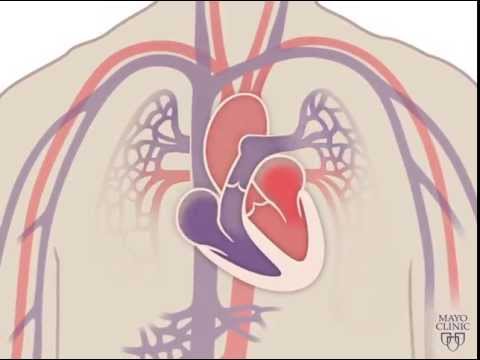
The heart is a muscular organ located slightly to the left side of your chest. It kind of looks like a fist, but it’s way more complex than that. Imagine it as a pump with chambers—four of them, to be exact. These are two **atria** (the top chambers) and two **ventricles** (the bottom ones).
Each part has its job. The atria receive blood that comes back to the heart, while the ventricles pump it out to the rest of your body. When your heart beats, it’s not just a simple thump; it’s a well-coordinated dance! The beating occurs through electrical signals that start in a special cluster of cells called the sinoatrial node—kind of like your natural pacemaker.
Now, let’s talk about blood flow because that’s where things get really interesting. Blood goes through this circuit where oxygen-poor blood returns from your body into the right atrium. From there, it flows down into the right ventricle and gets pumped to the lungs. Here, it picks up oxygen and releases carbon dioxide—like exchanging gifts at a party but way more vital!
Then comes oxygen-rich blood flowing back into your left atrium from the lungs. It moves down to the left ventricle, which is really strong because it needs to send blood all over your body at high pressure. That’s why heart muscles are thick!
But here’s something cool: if you ever feel your pulse or hear your heartbeat thumping in silence—like when you’re trying to fall asleep or chill on a couch—you’re basically feeling how all this works in real-time!
What keeps everything flowing smoothly? Well, valves play their part! They open and close during each heartbeat ensuring that blood moves in only one direction—no backflow allowed! There are four main valves: tricuspid, pulmonary, mitral, and aortic.
But wait! Did I mention how important this engine is for maintaining life? If you think about it for just a second—it pumps around **5 liters** of blood every minute when you’re resting. That’s like filling an entire soda bottle just chilling on your kitchen counter every few minutes.
Sometimes though… things can go wrong. Heart diseases can happen due to various reasons: unhealthy lifestyle habits like poor diet or lack of exercise can contribute significantly. It’s kind of heartbreaking (pun intended) how these things can impair this amazing organ’s function.
So remember: taking care of this precious engine with some good nutrition and regular exercise can make all the difference! You see? Your heart isn’t just an organ; it’s really an amazing powerhouse keeping you alive every single day!
Understanding the Circulatory System of the Heart: Functions, Anatomy, and Importance in Human Physiology
The heart is a pretty amazing organ, isn’t it? Seriously, it’s like the engine of our body’s circulatory system. Every day, it pumps blood to every single cell, delivering oxygen and nutrients while picking up waste products. Let’s break down how this all works in a way that feels easy to grasp.
First off, the **anatomy** of the heart is key to its function. The heart has four main chambers:
- Right atrium – This chamber receives deoxygenated blood from the body.
- Right ventricle – It pumps that blood to the lungs for oxygenation.
- Left atrium – Here’s where oxygen-rich blood from the lungs comes in.
- Left ventricle – The powerhouse! It sends oxygenated blood out to the rest of the body.
Each chamber plays a unique role, which is pretty cool when you think about it. The heart also has valves that ensure blood flows in one direction—like gates that only swing one way.
Now, onto **functions**. So what does this heart do all day? Besides beating steadily (usually around 60-100 times a minute), its main job is circulating blood. Here’s what happens step by step:
- The right atrium collects deoxygenated blood from the body via two large veins (the superior and inferior vena cavae).
- This blood then moves into the right ventricle, which contracts and sends it to the lungs through the pulmonary artery.
- In the lungs, carbon dioxide gets dumped out and oxygen gets picked up by red blood cells.
- The now oxygen-rich blood flows back into the left atrium through the pulmonary veins.
- The left ventricle then pumps this fresh blood out to your body through the aorta, supplying organs with what they need!
Pretty neat how it all works together!
When we talk about **importance**, well, it’s hard to overstate just how crucial your heart really is. Without it pumping away tirelessly, your cells wouldn’t get any oxygen or nutrients—yikes! Imagine not being able to run around or even just get through your daily routine without feeling completely wiped out.
Here’s something interesting: stress can totally mess with your heart health. When you’re stressed out or anxious, your body releases hormones that speed up your heart rate and raise your blood pressure. Over time, this can lead to serious issues like hypertension or heart disease. So taking care of your mental health can directly impact how well your heart works!
As you can see, understanding this amazing circulatory system shows how interconnected our bodies are. Each part plays its role in keeping us alive and thriving—and isn’t that just remarkable?
Understanding the 7 Steps of Blood Flow Through the Heart: A Scientific Overview
Sure thing! Let’s break down how blood flows through the heart in a way that’s easy to grasp and kinda fun. Our heart is like a hardworking pump, and understanding its flow can help us appreciate how amazing our bodies really are.
1. Blood enters the heart: First things first, deoxygenated blood from your body comes back to the heart. It flows into the right atrium through two big veins called the superior and inferior vena cava. Imagine this as a busy highway bringing tired cars (blood) back home after a long trip.
2. The right atrium contracts: As the right atrium fills up, it gets ready to push that blood into the next chamber. When it squeezes, blood rushes down into the right ventricle through a one-way door called the tricuspid valve. This valve is super important because it prevents blood from flowing backward.
3. Blood goes to the lungs: Now here comes the cool part—when the right ventricle contracts, it sends that deoxygenated blood out through another one-way valve called the pulmonary valve into a big blood vessel known as the pulmonary artery. That’s like sending all those tired cars off to get a fresh coat of paint (oxygen) at your lungs!
4. Oxygen exchange in lungs: Once in the lungs, carbon dioxide leaves those red blood cells and oxygen enters them instead—basically trading old gas for fresh fuel! After this refreshing stop, now our blood is all pumped up with oxygen.
5. Returning to the heart: After picking up oxygen, that bright red (oxygen-rich) blood travels back to your heart through four pulmonary veins and enters into the left atrium. Think of this as coming back home after getting an awesome makeover!
6. From left atrium to left ventricle: When your left atrium fills up with this fresh, oxygenated blood, it contracts just like before, pushing that good stuff down into the left ventricle via another one-way door called the mitral valve.
7. Blood gets pumped out: Finally, when your left ventricle contracts with all its might—it’s actually one of the strongest muscles in your body—it sends that oxygen-rich blood out through yet another valve known as the aortic valve into your body via a huge vessel calledthe aorta! This is where all those oxygen molecules start their journey delivering energy everywhere you need it.
So there you have it—seven steps of how our amazing hearts keep us alive by circulating blood! It’s sort of poetic when you think about how everything works together—you know? Every beat of your heart tells a story about life sustaining itself in such an intricate dance!
Let’s chat about your heart for a minute. You know, that little drum in your chest that just won’t quit? It’s more than just a muscle; it’s like the engine of your body’s circulatory system. Without it, well, you’d be in big trouble!
I remember when I was a kid, we learned about the heart in school. They showed us this cool animation where the heart pumped blood all over the body. I thought it was like a superhero, racing around to deliver oxygen and nutrients to every single cell! Kind of makes you appreciate how hard it works, right?
So here’s the deal: your heart is always on duty, beating around 100,000 times a day! That’s like running a marathon without stopping. It pumps deoxygenated blood into the lungs to grab some fresh oxygen before sending the good stuff flying back out to feed your organs and tissues. Seriously! It works harder than most of us on a Monday morning.
But let’s not forget that all of this happens through an intricate system of blood vessels—arteries, veins, and capillaries. Picture them as highways and back roads carrying vital nutrients and waste away from cells. And believe me, if there were traffic jams or blockages on those routes? Disaster alert!
And hey, let’s talk emotions for a second because our hearts are tied to feelings too—ever noticed how your heart races when you’re excited or scared? That connection between our physical state and our emotions is super fascinating.
So next time you feel that heartbeat or take a moment to appreciate life’s little moments—be it laughter with friends or quiet time alone—remember what an incredible machine is keeping you alive. It’s working behind the scenes tirelessly; isn’t that just awe-inspiring?