You know that feeling when you get a cramp in your leg and it feels like a tiny monster is trying to take over your muscles? Yeah, not fun at all! But have you ever thought about what’s happening inside your body when that happens?
Picture this: millions of blood vessels, like tiny highways, working hard to keep everything running smoothly. And right at the heart of it all are veins! They’re the unsung heroes of our circulatory system, carrying blood from all over back to the heart.
It’s pretty cool when you think about it. Each vein has its own little story, its own path to follow. Stick around as we embark on a journey through the fascinating anatomy of veins and uncover just how amazing our circulatory design really is. You’ll see—there’s way more going on up there than you’d expect!
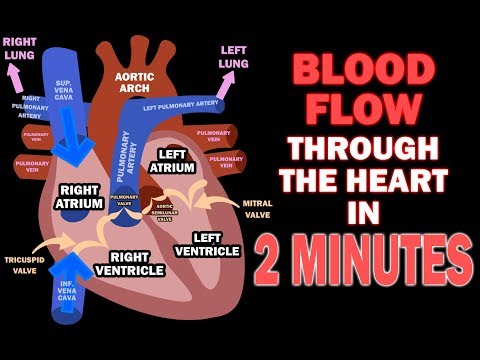
Understanding the 12 Steps of Blood Flow Through the Heart: A Sequential Guide in Cardiovascular Science
So, let’s break down how blood flows through the heart in these 12 steps. The heart is like a super efficient pump that keeps things moving in your body. Each step is vital for ensuring that everything works properly.
1. Deoxygenated Blood Enters the Heart
Blood that needs oxygen first comes into the heart through two large veins called the superior vena cava and inferior vena cava. The superior vena cava brings blood from the upper parts of your body, while the inferior vena cava handles blood from below.
2. Right Atrium
This blood dumps into the right atrium, which is kind of like a waiting room for blood. It’s not very big but plays a huge role!
3. Tricuspid Valve Opens
The right atrium then contracts, pushing blood through the tricuspid valve. This valve makes sure blood goes one way—into the next chamber without flowing back.
4. Right Ventricle
This is where all that waiting blood goes next—the right ventricle! It’s a little thicker than the atrium because it has to pump blood out of the heart.
5. Pulmonary Valve Opens
The right ventricle contracts and pushes blood through the pulmonary valve, which opens to let it flow into arteries.
6. Pulmonary Arteries to Lungs
This step is super cool! Blood travels through the pulmonary arteries to reach your lungs, where it picks up oxygen and gets rid of carbon dioxide.
7. Oxygenated Blood Returns to Heart
The now-oxygen-rich blood comes back via four pulmonary veins—two from each lung—and heads to its next stop: the left atrium!
8. Left Atrium Again!
This chamber receives all that fresh oxygenated blood, ready for distribution across your body.
9. Mitral Valve Opens
The left atrium contracts and opens up the mitral valve, allowing this precious cargo to flow down into its strong counterpart—the left ventricle.
10. Left Ventricle!
This chamber is truly impressive; it’s actually got muscular walls designed for pumping hard because it needs to push out blood at high pressure throughout your entire body.
11. Aortic Valve Opens
The left ventricle contracts, forcing blood past the aortic valve. This valve also prevents backflow—super important!
12. Aorta Sends Blood Out
The last leg of this journey takes place as blood enters the aorta, which is one massive artery branching out to deliver oxygen-rich goodness all over your body.
You see? It’s quite an adventure! From collecting deoxygenated and sending out oxygenated blood, every part of this process plays a role in keeping you alive and well—a true design marvel in our circulatory system!
Understanding the Human Circulatory System: The Total Number of Veins in the Body
The human circulatory system is pretty incredible. It’s like a network of highways that keeps everything running smoothly in your body. You’ve got arteries that carry oxygen-rich blood away from the heart, and then there are veins, which bring oxygen-poor blood back to the heart. But let’s focus on the veins for a moment.
So, how many veins do we actually have? Well, that’s a tricky question because it depends on how you count them. Generally speaking, experts say there are about 60,000 miles of blood vessels in your body! That includes all types of vessels—arteries, veins, and capillaries. But if we’re just talking veins specifically, it gets a little more complicated because they branch off and connect in various ways.
You might be wondering what I mean by that. Think about it this way: imagine a tree with its trunk and branches spreading out everywhere. The veins do something similar! They start from larger ones like the superior and inferior vena cava—the biggest veins that empty into the heart—and then split into smaller branches as they work their way through your body.
Here’s where it gets interesting: the total number of individual veins is not easily defined. The human body has several major veins and thousands of smaller ones. In an average adult, we have around 300–400 named veins categorized by size or location. However, these can further divide into smaller tributaries that aren’t usually counted separately.
- Major Veins: Some key players in vein anatomy include the jugular vein (in your neck), subclavian vein (in your shoulder), and femoral vein (in your thigh). Each one plays a critical role in returning blood to your heart.
- Venous System: The venous system is actually divided into deep veins (those deep within muscles) and superficial veins (just under the skin). This arrangement helps efficiently manage blood flow despite gravity.
- Varicose Veins: People sometimes deal with varicose veins—swollen or twisted veins often found in legs due to faulty valves—showing how important healthy vein function is!
To illustrate how complex this system can get: think back to last winter when you might’ve slipped on ice. You probably felt a sharp twinge in your leg after landing hard; that could be related to those deep venous structures doing their job under stress!
So why should you care about all these details? Well, keeping our circulatory system functioning well is super essential for overall health! When things go wrong—like with circulation issues or blood clots—it can lead to serious health problems.
Ultimately, while we can’t pinpoint an exact number of total individual veins due to their intricate connections and divisions throughout your body, understanding their roles gives us insight into just how amazing our circulatory system really is!
Comprehensive Guide to Human Veins: An Anatomical Exploration
Sure! Let’s talk about veins, those vital vessels that help keep our blood flowing smoothly. Seriously, without veins, we’d be in big trouble. They play a major role in our circulatory system, which is like a highway for blood traveling all around our bodies.
What are Veins?
Veins are blood vessels that carry blood from the body back to your heart. Most of the time, this blood is low in oxygen. Think of them as the return routes of your body’s transportation system, bringing deoxygenated blood back after it has delivered oxygen and nutrients to cells.
Structure of Veins
So what’s inside a vein? Well, they have three main layers:
Each layer plays its part in keeping veins strong yet flexible enough to handle the ebb and flow of blood.
How Do They Work?
Veins rely on a few key helpers:
- Skeletal Muscle Pump: When you move around and your muscles contract, they push against veins. This helps squeeze blood back towards your heart.
- Valves: Inside some veins are tiny flaps called valves that ensure blood flows one way—towards the heart—preventing backflow. If these aren’t working right, that’s when things can get tricky.
Picture yourself running or even just walking; that movement helps push all that lovely blood up towards where it needs to go!
Main Types of Veins
Now let’s look at the main players among veins:
- Cavae: These are major veins—the superior vena cava drains blood from the upper body while the inferior vena cava takes care of the lower half.
- Pulmonary Veins: These unique guys carry oxygen-rich blood from your lungs back to the heart.
- : These include smaller branches like jugulars (neck), femorals (legs), and more!
Each type has its specific job but together they create a network that’s absolutely essential for survival.
Anecdote Time!
You know what always gets me? When I see children fascinated by how their bodies work during science class. I once watched as a group marveled at their own wrists while learning about how veins operate. One kid even stuck his finger under his wrist skin just enough to see those blue lines (veins!) popping out when he clenched his fist! That moment was pure joy—seeing curiosity spark in young minds is just magical!
Diseases Related to Veins
Sometimes things can go wrong with our veins:
- Varicose Veins: These appear swollen and twisted because they’re not functioning properly; usually happens from too much pressure over time.
- DVT (Deep Vein Thrombosis):This is when a clot forms in a deep vein, often in legs—definitely something you want to avoid!
These conditions remind us why it’s crucial to keep moving and maintain good overall health.
So there you have it! Human veins are incredible structures working tirelessly behind the scenes. Without them doing their job, we wouldn’t be able to oxygenate tissues or clear out waste effectively at all. Pretty wild when you think about how much they contribute without ever seeking attention!
You know, veins are like those unsung heroes in our bodies. When you think about it, they’re doing a lot of heavy lifting, literally! Just picture your bloodstream as this bustling city with highways—those highways are the arteries and the veins. The arteries push fresh oxygenated blood away from the heart, while veins are there to bring deoxygenated blood back. It’s like a constant cycle of life happening within us.
I remember once watching my little niece playing doctor, pretending to give her stuffed animals check-ups. She was so fascinated by the idea that our blood had its own transportation system, always on the move. She kept asking how blood gets to her fingers after she accidentally prick them while playing. I thought it was adorable but also kind of profound—this pure curiosity about something so complex yet essential!
So let’s dive into this vein anatomy thing a bit more. Veins are actually pretty cool; they have a unique structure that helps them do their job right. They’re thinner than arteries and have valves inside them. These valves work like tiny doors, making sure that blood doesn’t just flow backward as it returns to the heart. How neat is that? It’s almost like having a one-way ticket back home!
Another interesting fact is how color plays tricks on us when we look at our veins. They often look blue through our skin, but they’re actually dark red because of deoxygenated blood! It’s kind of mind-boggling when you think about it—there’s a whole rainbow of science happening just under the surface.
And then there’s the whole network aspect. You can’t forget about how veins branch out, kind of like tree roots or rivers flowing into one another, connecting all parts of your body together so seamlessly. This design ensures that every cell gets what it needs while also taking away waste products efficiently.
A lot goes on in this complex circulatory design and although we don’t often stop to think about it during our busy days, our veins really play an essential role in keeping us healthy and alive! So next time you catch a glimpse of those blue roads under your skin or feel your pulse racing during exercise, remember: your body has got this incredible system running behind the scenes—and it’s just downright amazing!