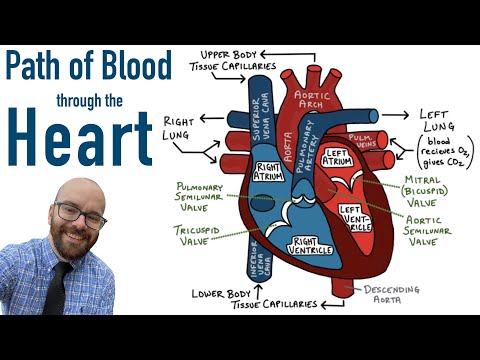
So, the other day I was sitting with a friend at a coffee shop, and she started telling me about how her heart races when she runs. Got me thinking… your heart is constantly working harder than you realize!
You know, people often think of the circulatory system as this boring collection of veins and arteries. But seriously, it’s so much more than that! It’s like an intricate highway system that keeps your body buzzing with life.
All those squishy organs are doing their thing 24/7 to keep you functioning. Isn’t it wild to think about? That little heartbeat is like a drummer in a band, keeping everything in sync.
Let’s break it down together! We’ll take a closer look at what makes this whole circulatory thing tick (pun totally intended). You’re in for a fun ride through the ins and outs of anatomy and physiology. Buckle up!
Comprehensive Guide to Cardiovascular System Anatomy and Physiology: Downloadable PDF Resource for Scientific Study
The cardiovascular system is, like, super essential for our survival. It’s the network that pumps blood throughout our bodies, delivering oxygen and nutrients while whisking away carbon dioxide and waste. Pretty crucial, right? Let’s break down its main components:
The Heart is where it all begins. This muscular organ has four chambers: the left atrium, the left ventricle, the right atrium, and the right ventricle. Blood flows through these chambers in a specific order—like a well-choreographed dance! When your heart beats, it works hard to push blood out to your body and pull it back in.
The Blood Vessels are like highways for your blood. You have three types:
Now, let’s talk about Physiology. The heart has an electrical system that controls how fast it beats. There’s a little node called the sinoatrial (SA) node—it’s kind of like your heart’s natural pacemaker! It sends signals through pathways to ensure your heartbeat stays regular.
It’s fascinating how everything ties together in one big loop—when you exercise or get excited, your heart starts beating faster to supply more oxygen-rich blood where it needs it most! You can practically feel this when you sprint or get butterflies before public speaking.
Our cardiovascular system doesn’t work alone; it depends on other systems too! For instance, your respiratory system kicks in to gather oxygen when your blood flows into your lungs.
Of course, keeping this whole setup healthy is key. Regular exercise and a balanced diet do wonders for your cardiovascular health—think of it as giving yourself some maintenance on an important machine!
So next time you hear about cardiovascular health or anatomy studies popping up online or even as downloadable PDFs for scientific study—just remember: every aspect you read about connects back to how our hearts beat at every moment of every day. Isn’t that just wild?
Comprehensive Guide to the Cardiovascular System: Downloadable PDF Resource for Science Enthusiasts
The cardiovascular system is like the body’s delivery service, transporting oxygen and nutrients to cells while whisking away waste products. It’s an intricate network that keeps everything running smoothly. Let’s break it down a bit!
At its core, the cardiovascular system consists of the heart, blood vessels, and blood. The heart is a muscular pump that works day in and day out, never taking a break. Can you imagine? It pumps about 2,000 gallons of blood each day! That’s seriously impressive.
So, what are the main components?
- The Heart: Think of it as the engine of your body. It has four chambers: two atria at the top and two ventricles below. The right side pumps deoxygenated blood to the lungs to get fresh oxygen, while the left side sends oxygen-rich blood throughout your body.
- Blood Vessels: These are like highways for your blood. They consist of arteries, veins, and capillaries. Arteries carry blood away from the heart under high pressure—it’s almost like they’re in a race! Veins bring it back at lower pressure.
- Blood: The liquid gold! It’s made up of red blood cells (which carry oxygen), white blood cells (your body’s defenders), platelets (clotting agents), and plasma (the liquid part). Each has its own special job!
A quick example: Imagine you’ve just jogged for a mile. Your muscles start yelling for oxygen while your heart works overtime to deliver it through those arteries. Neat, right?
The **physiology** part explains how all this stuff works together—like how your heart rate increases when you exercise or how your body regulates temperature by adjusting blood flow to the skin.
You might be curious about some common conditions. Heart diseases can pop up due to various factors like genetics or lifestyles choices such as diet or stress levels. For instance:
- Atherosclerosis: This happens when arteries become narrowed due to plaque buildup—think of it as traffic jams in your bloodstream.
- Hypertension: Basically high blood pressure; it’s like having too much pressure on those highways over time.
To take care of this vital system, things like regular exercise, a balanced diet with lots of fruits and veggies, and staying hydrated are key! Oh, and managing stress helps too.
If you’re looking for resources about this fascinating topic—and who wouldn’t be?!—there are plenty of PDFs floating around online that detail anatomy diagrams and fun facts about how our bodies work. Exploring those can provide even deeper insights into this essential system!
The cardiovascular system truly is amazing! Each beat from that hardworking heart keeps life flowing through you every second of every day. Remember to appreciate it because without it? Things wouldn’t look so good!
Understanding Cardiovascular System Function: Key Mechanisms and Their Impact on Overall Health
The cardiovascular system is like your body’s highway system, you know? It transports blood, nutrients, oxygen, and hormones to every corner of your body while whisking away waste products like carbon dioxide. It’s super crucial for keeping everything running smoothly.
So, let’s break this down a bit. The heart is the key player here—think of it as the engine. It’s a muscular organ with four chambers: two atria and two ventricles. The left side of the heart pumps oxygen-rich blood to the body, while the right side takes in oxygen-poor blood and sends it to the lungs for a little refreshment.
Now, about those blood vessels! There are three main types: arteries, veins, and capillaries. Arteries carry oxygenated blood away from the heart. And guess what? They have thick walls to handle all that pressure! Then you’ve got veins, which are less muscular and help bring deoxygenated blood back to the heart. Capillaries? They’re tiny—like one cell thick! But they’re super important because that’s where all the real action happens: nutrient and gas exchange at a cellular level.
You might be thinking about how all this works together in everyday life. Well, your cardiovascular system is constantly responding to what you do! If you’re exercising or feeling stressed out, your heart rate increases to pump more blood around. This is known as cardiac output, which is basically how much blood your heart pumps in a minute. When you’re chillin’ on the couch? Your heart rate slows down because fewer resources are needed.
Now let’s get into blood pressure. This is basically how hard your blood pushes against your artery walls during circulation. It can change based on various factors—like stress or even what you had for breakfast! High blood pressure can lead to serious problems over time; it’s often called “the silent killer” since many people don’t feel its effects until something major happens.
Speaking of health impacts, let’s chat about lifestyle choices and their effects on this whole system—you know how they say “you are what you eat”? Well, if you munch on junk food all the time and don’t get enough exercise, you’re putting your cardiovascular system at risk for conditions like coronary artery disease or even stroke.
To wrap it up with a personal touch: I once had a friend who ignored signs of fatigue and chest pain because “he was too busy.” He learned the hard way that taking care of your cardiovascular health isn’t just about eating salads; it’s also about regular check-ups and listening to your body when it says something’s off.
So pay attention to that ticker in your chest! Keep things balanced with good food choices and movement—your heart will thank you for years to come!
The circulatory system, huh? It’s like the ultimate delivery service for your body. Seriously, just think about it. Every second, your heart is pumping blood through an intricate network of vessels, making sure that oxygen and nutrients reach every single cell. I mean, how cool is that?
Let’s say you’re out for a jog—maybe trying to conquer a new personal record or just keep those cookies in check. Your muscles are working hard, and they need energy. That’s where the blood comes in. It’s like a taxi service zooming around, dropping off oxygen and picking up carbon dioxide. You can almost picture it; red blood cells hustling around like busy bees buzzing from flower to flower.
Then there’s the heart itself—a muscle the size of your fist but oh-so-mighty! When I think of my high school biology teacher explaining how it works, I remember her dramatic hand gestures that went all over the place as she showed us how each chamber operates like a valve in a concert hall—opening and closing in perfect harmony. You’ve got the right atrium and ventricle doing their thing on one side while the left takes over on the other. It’s a dance, really!
But then life hits you sometimes with crazy stuff—stress, junk food binges after a long week at work or school; all of this can mess with your circulatory system’s rhythm. And let me tell you from experience; I once had an awful flu where my heart felt like it was racing just lying on the couch! It really puts things into perspective when you realize how much our lifestyle choices impact this essential part of our being.
You see, understanding this system isn’t just some dry textbook stuff—it’s personal! The more we grasp what’s going on inside us, the better we can treat our bodies right. After all, they’re working hard 24/7 without asking for much in return.
In essence—the circulatory system is our lifeline: doing its job quietly while we go about living our lives. So next time you feel your pulse or get that rush of adrenaline before something exciting happens, remember: there’s an entire world whizzing through your veins making it all possible! Isn’t that amazing?