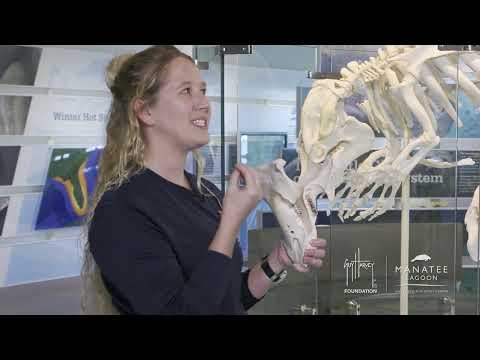
So picture this: you’re swimming in the crystal-clear waters of Florida, and out of nowhere comes this big, gentle creature. It’s a manatee! These sea cows just glide along with their massive bodies. Seriously, they look like someone decided to turn a giant potato into a marine mammal.
But hold on, there’s something super cool about them that goes beyond their chunky appearance. Like, did you know they can hold their breath for up to 20 minutes while munching on sea grass? It’s like they’re little underwater hipsters, casually snacking while everyone else is gasping for air!
Anyway, as we dive into the anatomy of these adorable giants, you’re gonna see how perfectly designed they are for life in the water. It’s not just about being cute and chubby; they’ve got some serious skills! So buckle up; let’s explore the incredible ins and outs of manatee anatomy together!
Understanding Manatee Behavior: The Science Behind Why You Can’t Hug These Gentle Giants
Manatees, also known as sea cows, are these wonderful, gentle giants that you can find munching on seagrass in warm coastal waters. Seriously, they’re like underwater teddy bears! But here’s the deal: as much as you might want to hug one of these big cuddle bugs, you really can’t. Let’s break down the science behind why hugging manatees isn’t just a bad idea—it’s actually dangerous for them and for you.
First off: manatees are wild animals. They might look friendly and slow-moving, but they have their own thing going on. Imagine being approached by someone who wants to hug and squeeze you. Like, that could be awkward at best! Manatees are used to their space and when we invade it, well, it can stress them out.
Second: their behavior is deeply rooted in survival instincts. These creatures have evolved over millions of years to thrive in their environment. They spend most of their time eating—up to 10-15% of their body weight in plants every day—so they’re not really into socializing like some other animals might be.
- Stress Management: When a manatee feels threatened or stressed by a human interaction—like an attempted hug—they can react by swimming away or hiding. This flight response is part of their survival instinct.
- Sensitivity: Just like us humans have personal bubbles, so do manatees! If we invade that space, it could lead to anxiety or aggression—not exactly the reaction you’re hoping for when trying to spread some love.
- Legal Stuff: You’ve got to consider laws too. In many places, it’s illegal to disturb or harass manatees. So even if you’re just trying to be sweet and give a big hug, legally speaking—it’s a no-go!
The thing is, manatees are incredibly social among themselves but not so much with humans. They communicate through squeaks and whistles—a bit like underwater conversations amongst friends—but they don’t see us as buddies like we might wish they did.
An interesting anecdote: I once saw a video where a diver swam up close to a group of manatees just chilling on the ocean floor. Instead of coming over for hugs (which would’ve been adorable), they just slowly paddled away! It’s like they were saying “no thanks” with a casual flick of their tail!
If you ever get the chance to observe these amazing creatures from a distance—do it! Watching them swim gracefully through the water is truly something special. You know what’s even cooler? It helps keep them safe while allowing us to appreciate all their beauty without getting in the way.
The bottom line? Manatee behavior teaches us about respect and boundaries in nature. We may adore these creatures from afar—just don’t forget: they’re wild animals thriving in their own world!
Exploring the Ecological Dynamics: Why Sharks Typically Avoid Manatees
Sharks and manatees are two very different creatures swimming around in our oceans. They have their own fascinating lives, but if you’ve ever seen a shark, you might wonder why they usually steer clear of manatees. So, let’s dive into that, shall we?
Size Matters. First off, manatees are pretty big! These gentle giants can weigh as much as a small car—sometimes reaching up to 1,200 pounds. Sharks generally prefer to hunt smaller prey that’s easier to catch and consume. If you think about it, tackling something the size of a manatee would be a lot of work. Plus, many sharks are looking for meals that are agile and don’t pose risks to them.
Another thing is the diet difference. Sharks are carnivores—they love their meat—while manatees are herbivores munching on seagrass and other aquatic plants. It’s kind of like sharks preferring steak while manatees stick to salads! Since sharks typically aren’t interested in plant-eating creatures, they just don’t see manatees as food.
You know what else plays a role? The behavioral dynamics. Manatees hang out in warm shallow waters where seagrass beds flourish. Sharks tend to prefer deeper waters or areas with more fish activity. They just don’t cross paths often enough for there to be any tension between them.
This leads us nicely into another factor: defensive adaptations. Manatees have thick skin and can even withstand some bites from sharp-toothed predators. Their size combined with their tough hide might give sharks second thoughts if they ever did come across one of these big guys!
Anecdote time! Imagine being at an underwater party where everyone is eating shrimp cocktails but one really large dude shows up only looking for pizza slices—you’d probably think he’s there for the wrong reason too! That’s kind of how sharks view manatees—they’re not what they’re craving.
Lastly, let’s talk about sharks’ hunting strategies. Many sharks rely on stealth and speed to surprise their prey. Trying to sneak up on a hefty manatee wouldn’t really work out so well since these animals can detect movements around them quite easily due to their keen senses.
So in short: the combination of size, diet differences, habitat preferences, defensive adaptations, and hunting styles all collaborate beautifully in keeping these two marine species apart from each other most of the time!
The ocean is huge and full of mysteries. Understanding interactions among species helps us appreciate ecological dynamics better—it’s an amazing web we’re all part of!
Unveiling the Fascinating Anatomy of Manatees: Insights and Questions in Marine Biology
Manatees are such interesting creatures, right? These gentle giants are often called “sea cows,” and honestly, they deserve that title! They’re huge, slow-moving mammals found in shallow coastal waters and rivers, mainly in the Caribbean and around Florida. But let’s get into what makes their anatomy so cool—there’s a lot to uncover here!
First off, manatees can weigh up to 1,300 pounds. That’s like having a small car swimming around! They have a rounded body covered with skin that is quite thick and wrinkled. Can you imagine having skin that thick? It helps protect them from various marine life while they’re munching on seagrass.
Their front flippers are pretty unique too. They’re not flippers in the traditional sense—they’re more like modified arms. Each flipper has three or four nails, which is fascinating because it shows how these creatures have evolved over time. Instead of being built for speed, it’s like nature said, “Let’s make these guys great at lounging.”
Now let’s talk about their tails! The manatee’s tail is broad and paddle-shaped—perfect for propelling themselves through the water at speeds of up to 20 miles per hour, although they usually cruise along much slower than that. So picture this: a big ol’ creature paddling along like it has all the time in the world!
On top of all this physical stuff, manatees need to breathe air just like us! They have lungs located high in their bodies. This means when they come up for air—which happens every 15 minutes on average—they just poke their snouts out of the water. It’s pretty charming to see them bobbing up and down!
Oh! And don’t forget about their massive appetites—they can eat up to 10% of their body weight in seagrass daily! That’s roughly 130 pounds of greens! What happens is they spend hours munching away underwater; it’s almost meditative for them.
Now here’s something that might surprise you: manatees lack certain features common in most land mammals—for instance, they don’t have blubber for insulation. Instead, they rely on being large with thick skin to help manage temperatures. In cold waters, you can find them congregating near warm springs or power plant outflows because being cold doesn’t do them any favors.
And let’s talk about heart health—manatees have hearts that can pump blood efficiently throughout their huge bodies while they swim gracefully through the water. They might look bulky but swimming takes real stamina!
In summary:
- Massive size: Up to 1,300 pounds.
- Adapted flippers: Modified arms with nails.
- Paddle-shaped tail: Helps with swimming speeds.
- Lung placement: High on their body for easy breathing.
- Diet: Eats an impressive amount of seagrass daily!
So next time you’re by the water and you see one of these friendly giants floating along slowly munching on grass—or even just hanging out—take a moment to appreciate all those amazing features packed into one sweet animal! They’re truly wonderful examples of how life has adapted to thrive both on land and in ocean environments.
Manatees, right? Those gentle giants of the ocean have this way of stealing hearts. I remember the first time I saw one at a rescue center. It floated gracefully, like a big, fluffy cloud in the water. Just chilling, munching on seagrass. And you can’t help but think about how cool they are—like, these massive creatures that spend most of their lives in our waterways and yet seem so peaceful.
So, let’s talk anatomy for a sec! Manatees aren’t just cute; they’ve got some pretty fascinating stuff going on under that wrinkly skin. First off, they can weigh anywhere from 800 to over 1,200 pounds! Seriously! That’s like having a small car swimming next to you. They’re part of this group called Sirenia—yep, that’s right, they’re related to elephants and hyraxes if you can believe it.
What makes them unique? Well, for starters, their front flippers are basically like paddles. They use them to steer through the water and even scratch their backs! Imagine being able to scratch your back just by swishing your arms around—no need for an aid or anything!
Their bodies are built for buoyancy too. Manatees have a big ol’ belly filled with fat that helps them float effortlessly. It’s kind of like having a built-in life jacket—but you know, cuter! And they have these super sensitive whiskers all over their faces which help them feel what’s going on around them—like little antennas picking up vibes from their environment.
But here’s something that always amazes me: Their lungs are huge! Like seriously large! They can hold their breath for up to 20 minutes when diving—a total pro move when it comes to grabbing food from the bottom of rivers or oceans. But they need air regularly since they’re mammals just like us!
And then there’s their social side. Manatees can often be seen hanging out together—a little manatee party if you will! They communicate with each other using squeaks and whistles which is adorable if you ask me.
So why does all this matter? Well, manatees play an important role in keeping our aquatic ecosystems healthy by munching on seagrass and helping it grow back better and stronger—which benefits loads of other species too!
Thinking about manatees reminds me that even in something as simple as anatomy lies this deep connection to nature and our environment. Each part has its purpose; it’s not just about being cute or big—they’re vital players in the delicate dance of our ecosystem.
Next time you see one floating around—or maybe even catch a glimpse during an outdoor adventure—take a moment to appreciate not just how charming they look but also how intricately designed they are for life under the waves. Isn’t nature a little bit magical?