You know that moment when you’re cleaning out your attic, and you find an old box filled with dust, cobwebs, and who knows what else? Yeah, that’s when your instincts kick in. You think about how many tiny organisms might be lurking there—especially fungi. Fun fact: some of those fungi can even mess with your health in surprising ways!
Histoplasmosis is one of those sneaky fungal infections that you probably haven’t heard much about. It’s like the ninja of the fungal world! You can be chilling outside, breathing in spores without a care, and boom—next thing you know, you’ve got a health issue on your hands.
But don’t panic just yet! Histoplasmosis isn’t always a big deal for everyone. Still, its impact on our bodies is pretty wild. That’s where histology comes in. It’s all about peering deep into tissues to understand what’s going on at a microscopic level. So let’s chat about what histoplasmosis looks like under the microscope and why it matters. Seriously cool stuff ahead!
Comprehensive Guide to Fungal Infection Pathology: Understanding Mechanisms and Disease Outlines in Mycology
Fungal infections can sound a bit scary, right? But understanding them is super important. So let’s break it down in simple terms, focusing on histoplasmosis, a type of fungal infection that can seriously affect your lungs.
First off, the fungus we’re talking about here is Histoplasma capsulatum. It’s found mostly in soil and is often linked to bird droppings or bat caves. When the spores are inhaled, they can set off a whole chain of reactions in your body. If you’ve ever visited an old barn or wandered near areas where birds hang out, you might have been exposed without even knowing it!
So what happens next? Well, once the spores get into your lungs, they can start to reproduce. Your body usually recognizes these fungi as intruders and kicks into gear with its immune response. But sometimes that response doesn’t work out so well.
The reason histoplasmosis becomes a problem lies in how it interacts with your immune system. Histoplasma has some sneaky tricks up its sleeve! It can live inside certain types of white blood cells called macrophages. Normally, these cells help to fight infections, but this fungus kind of hijacks them to replicate and spread.
- Acute Histoplasmosis: Most people who breathe in this fungus won’t show symptoms or may have mild flu-like symptoms. Your body often clears it up on its own.
- Chronic Histoplasmosis: For those with weaker immune systems or pre-existing lung issues, things can worsen. It may resemble tuberculosis and cause significant lung damage.
- Disseminated Histoplasmosis: This is when the infection spreads beyond the lungs into other organs. It’s much rarer but very serious and could lead to severe complications if not treated quickly.
You know how sometimes you hear about someone getting sick and think “It couldn’t happen to me”? Well, that’s not always true when you’re dealing with fungi like this one! Anyone can be at risk if they’re exposed enough. Remember that time you went hiking and thought about sitting on that old tree stump? It’s places like those where spores love to hide out!
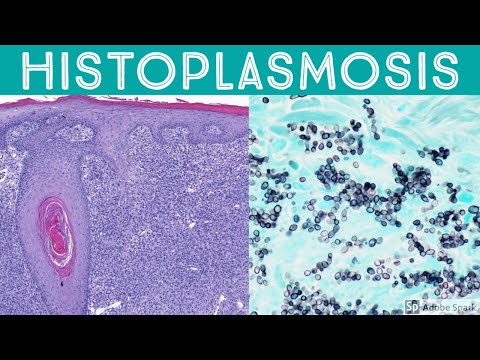
The pathology side of things: When doctors look at tissues from people infected with histoplasmosis under a microscope, they often see tiny organisms living inside macrophages—like uninvited guests making themselves too comfortable at a party! They also look for signs of inflammation in lung tissues which indicate that your immune system is trying hard to fight back.
Your body has these amazing defense mechanisms—like producing cytokines—which are like little messengers calling for reinforcements! But sometimes too much inflammation can actually make things worse. It creates more problems than solutions; think traffic jams caused by too many emergency vehicles crowding the streets.
If you’re dealing with histoplasmosis or know someone who is, there’s hope! Treatments usually involve antifungal medications which help battle those pesky fungi and support recovery.
This whole world of mycology—studying fungi—is vast and crucial because these organisms play such huge roles both positively (like in food production) and negatively (like causing diseases). So understanding how they function can help us tackle infections better!
Total bummer? Maybe not if we learn from it all!
Comprehensive Overview of Histoplasmosis Pathology: Key Insights and Outlines in Clinical Science
Histoplasmosis is like that sneaky friend who shows up uninvited but can cause quite a ruckus! It’s an infection caused by the fungus *Histoplasma capsulatum*, which often hangs out in soil, especially where there’s a lot of bird or bat droppings.
When you breathe in the spores, your body can react in different ways. Some folks might not even notice it. Others? Well, they could end up with some pretty serious symptoms, and that’s where things get interesting!
Pathology of Histoplasmosis
Once the spores are inhaled, they start to invade your lung tissue. The immune system kicks into gear, sending white blood cells to fight back. This battle creates small areas of inflammation called granulomas. These are basically little pockets where immune cells gather to try and contain the infection.
In some people, particularly those with weakened immune systems, histoplasmosis can spread beyond the lungs and affect other organs. We’re talking the liver, spleen, and even bones! Yikes! This systemic form can be really tough to handle.
Histological Features
So let’s break down what we see under the microscope during histological exams:
- Granulomas: As I mentioned earlier, these are key indicators! They often have a central area that may contain fungal elements.
- Fungal Elements: You might find tiny round structures called yeast forms. These are usually around 2-4 micrometers in size. They’re super important for diagnosis!
- Epithelioid Cells: The granulomas also consist of macrophages that look like epithelial cells. It’s a bit tricky but essential for understanding how our body responds.
- Caseation: Sometimes these granulomas can undergo necrosis – when tissues die and turn cheesy (sorry for the gross imagery!).
The presence of these features helps doctors figure out if someone has histoplasmosis or if it might be something else entirely.
Clinical Insights
Diagnosing histoplasmosis isn’t always straightforward. Doctors use various tests like sputum culture or blood tests to check for antibodies against the fungus. However, since symptoms can mimic other respiratory infections like pneumonia or tuberculosis—well, it gets complicated!
Treatment generally involves antifungal medications like itraconazole for mild cases but can escalate to more serious stuff like amphotericin B for severe cases.
It’s fascinating how this little fungus can stir up so much trouble! You’d think something so tiny wouldn’t have such an impact on our bodies or health…but here we are!
Anecdote
I remember hearing about a guy who loved spelunking (that’s cave exploring) and didn’t take precaution while exploring some old caves full of guano (bat poop). A few weeks later he was coughing up – sorry to get graphic here – blood! Turns out he had histoplasmosis! His adventure turned into a serious health scare.
So really keeping an eye on environmental exposure is super important. Knowledge about this fungal pathology helps us stay alert and maybe avoid those sneaky infections lurking around us!
Exploring CNS Histoplasmosis: Pathophysiology, Diagnosis, and Treatment Advances in Medical Science
Histoplasmosis is a fungal infection that’s like a stealthy little ninja. You breathe in the spores of the fungus, Histoplasma capsulatum, usually found in bird or bat droppings, and then—bam!—it can go after your lungs. But what happens when it decides to invade your central nervous system (CNS)? That’s when we’re diving into CNS histoplasmosis, which is definitely less common but can be pretty serious.
First up, let’s talk about the pathophysiology. When those pesky spores enter your body, they love to hang out in macrophages, which are like your immune system’s little bodyguards. Instead of getting kicked out, the fungi find a cozy home inside these cells. This leads to inflammation in various parts of your body. If it makes its way to your CNS through the bloodstream or directly via surrounding tissues, you could end up with some neurological issues. So yeah, it can wreak havoc on your brain and spinal cord!
Now onto how this bad boy is diagnosed. Diagnosis can be tricky. Symptoms might look like other things—headaches, fever, confusion—you know? But doctors have their secret weapons: lumbar puncture (spinal tap) and imaging studies like MRIs or CT scans. A spinal tap helps analyze the cerebrospinal fluid (CSF) for the presence of the fungus or antibodies against it. Pretty neat way to check what’s going on inside!
And let’s not forget about treatment advances! Historically, treating CNS histoplasmosis was tough because antifungal meds were heavy-duty and had side effects that weren’t fun at all. But now we’ve got better options! Most patients start off with amphotericin B, a strong antifungal given intravenously to get things under control quickly. After that initial blitz, docs often switch patients to an oral medication called Itraconazole for maintenance therapy—which is much easier on the system.
In summary:
- CNS histoplasmosis occurs when Histoplasma spores invade the central nervous system.
- The pathophysiology involves fungi living peacefully inside macrophages.
- Diagnosis includes lumbar punctures and imaging studies.
- Treatment typically starts with amphotericin B before moving onto Itraconazole.
So there you have it! It’s wild how something so small can cause such big problems if it gets cozy where it’s not supposed to be. Just remember: staying aware of risks—like exposure to bird or bat droppings—can really help keep this sneaky infection at bay!
So, histoplasmosis, huh? It’s one of those things that you might’ve heard about but not really paid much attention to. It’s a fungal infection caused by Histoplasma capsulatum, and it can do some sneaky damage to your lungs. When you look at it from a histology standpoint, well, that’s where things get really interesting.
Picture this: you’re out hiking in some damp, wooded area. You breathe in tiny spores from soil contaminated with bird or bat droppings. For most people, their immune system kicks in and handles it like a champ. But for some? Not so much! And when the fungus decides to hang around, that’s when histological studies come into play.
In the lab, scientists examine tissue samples under a microscope. They’re looking for specific cells and structures related to the infection. You know those little round fungal cells that look like little alien spaceships? Yup, those are the culprits! They can be super tricky because they often hide inside our immune cells called macrophages. So sneaky!
What makes it even more fascinating is how our body responds. You have these immune cells trying to fight off the infection while these fungal intruders are living in them! That kind of tug-of-war can lead to inflammation and damage over time. The histological insights really help researchers understand how severe cases might affect people differently based on their immune response.
I remember hearing about someone who was misdiagnosed with pneumonia for months before they finally figured out it was histoplasmosis playing tricks on them! It’s stories like these that remind me how important it is to dig deeper into what’s happening at a microscopic level. Every tiny detail counts!
So yeah, studying histoplasmosis through its histology isn’t just about looking at pretty pictures under a microscope—it’s a way to understand how this sneaky fungus operates and affects real lives out there. It’s amazing what we can learn when we take the time to look closely!