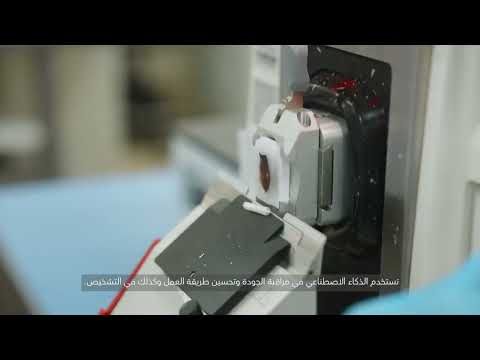
So, picture this: you’re sitting in a waiting room, nervously tapping your foot. You know, the kind of place where the clock seems to tick slower than molasses? Well, you’re not alone. We’ve all been there, right? Waiting for a diagnosis can feel like an eternity.
But here’s something cool: behind all that waiting is a world of science and technology working its magic! Surgical pathology is like the unsung hero of medicine, quietly getting better every day. Can you imagine? Just as you might upgrade your phone to get better pics, scientists are doing the same thing with diagnoses.
Seriously though, advancements in this field are changing lives. They’re making it easier for doctors to figure out what’s really going on inside our bodies. And that means quicker diagnoses and better treatments! How awesome is that? Let’s take a closer look at this fascinating journey into the world of surgical pathology. You might just find it as exciting as I do!
Exploring Recent Advances in Histopathology: Innovations Shaping the Future of Diagnostic Science
Histopathology, the study of tissues and cells to diagnose diseases, has made some super cool strides lately. You know, it’s like a blend of science and detective work that can really change lives. So let’s break down some innovative advancements shaping the future of diagnostic science.
Digital Pathology is a game changer. This involves creating digital slides from tissue samples, allowing pathologists to view and analyze them on computers. So instead of squinting through a microscope, they can zoom in on areas of interest, highlight findings, and even share slides with colleagues miles away. It’s like having a high-tech toolbox at their fingertips!
Another big thing is Artificial Intelligence (AI). Machine learning algorithms are being trained to recognize patterns in histopathological images. Imagine teaching a computer to spot cancer cells! Some studies show AI can sometimes even do it better than humans! But don’t get me wrong, human expertise is still crucial because you need that nuanced understanding that only comes from experience.
Then there’s Liquid Biopsy, which sounds fancy but is quite simple. Instead of taking a tissue sample directly from an organ, doctors can analyze blood for biomarkers shed by tumors. It’s less invasive and can provide real-time insights into how well treatments are working—giving patients more options without the hassle of surgery.
Speaking of less invasive methods, Next-Generation Sequencing (NGS) has also become prominent in histopathology. With NGS, researchers can decode DNA from tissue samples quickly and accurately. This helps identify genetic mutations linked to various cancers, leading to targeted therapies. It’s like finding the exact combination for a lock!
What’s more exciting is the potential for Integrative Pathology. This approach combines traditional histopathological techniques with molecular diagnostics and bioinformatics. By looking at gene expression alongside tissue architecture, pathologists can make more precise diagnoses and predict how diseases will progress.
Also worth mentioning are advancements in Immunohistochemistry, where special stains are used to tag specific proteins in tissues. This helps identify particular types of cells or pathogens—turning up details you might miss otherwise.
Now let me tell you about this heartfelt story I heard recently about a patient named Sarah who struggled with uncertain diagnoses for years due to traditional methods failing her time after time. But thanks to these advancements in histopathology—particularly liquid biopsy and NGS—doctors finally pinpointed her condition correctly! You could feel the relief wash over her when she heard she would start treatment suited just for her specific needs.
The key takeaway? With all these innovations coming into play—like digital tools, AI assistance, liquid biopsies, sequencing technologies—we’re really stepping into an era where diagnostics will be quicker, more accurate, and way more patient-friendly! As technology continues evolving at breakneck speed in histopathology, there’s no telling how many lives will benefit from these amazing breakthroughs as they unfold further down the line!
In short:
- Digital Pathology
- Artificial Intelligence
- Liquid Biopsy
- Next-Generation Sequencing
- Integrative Pathology
- Immunohistochemistry
: Offers remote viewing and collaboration.
: Enhances detection accuracy through pattern recognition.
: Allows non-invasive cancer monitoring via blood tests.
: Facilitates quick genetic analysis for tailored treatments.
: Combines multiple data sources for holistic diagnosis.
: Tags proteins for better identification within tissues.
So there you have it! Histopathology isn’t just about looking at slides anymore; it’s about saving lives with smarter tools! Who wouldn’t want that?
Revolutionizing Science: The Impact of Digital Pathology on Modern Research and Diagnostics
So, let’s chat about something that’s really changing the game in the world of science: digital pathology. It’s like taking your favorite lab, throwing in some tech magic, and voila! You’ve got modern research and diagnostics that are sharper than ever.
Basically, digital pathology is all about using digital images instead of traditional glass slides for studying tissues. This might seem like a small change, but it’s huge! Think about your phone camera. You can snap a picture, zoom in, and see details you’d miss with the naked eye. That’s what digital pathology does for scientists and doctors—they can analyze samples way more closely.
One of the coolest things about this whole digital shift is how it helps improve diagnoses. When pathologists look at tissue samples under a microscope, they need to spot tiny changes that could mean big health issues. With digital tools, they can use software to help identify these changes. It’s like having a super-smart assistant who never gets tired.
And here’s where it gets even more interesting: collaboration. Digital images can be shared across borders in an instant! This means a doctor in one part of the world can consult with an expert thousands of miles away without missing a beat. Imagine trying to diagnose a rare condition with input from someone who specializes in it, you know? That kind of teamwork was way harder before.
Now let’s talk about research advancements. In many ways, digital pathology is helping push boundaries forward. Researchers can collect data from tons of samples without being held back by physical space or logistics—like having access to an enormous library from anywhere! They’re gathering insights much faster than before and improving treatments based on real-time analysis.
Machine learning also steps into this picture quite nicely! Algorithms can be trained to recognize patterns in tissue types or spot anomalies that pathologists might overlook. So it’s kind of like having an extra set of eyes that don’t get overwhelmed by all those slides piling up. This technology can spot trends over time which is pretty wild!
But it’s not just about speed; it’s also about accuracy. Studies have shown that using digital systems often leads to more reliable diagnoses because they minimize human error—like those “oops” moments when you misread something after staring at slides for hours on end.
Of course, there are challenges too; not everything is perfect yet. There are costs involved with transitioning labs to this new technology and ensuring everyone has adequate training to use these new tools effectively.
So yeah, digital pathology isn’t just changing how we look at slides—it’s reshaping how we approach diagnosis and research altogether. It makes you wonder where we’ll head next! The future seems bright with these advancements paving the way for clearer insights into health and disease.
Revolutionizing Diagnosis: The Impact of Digital Pathology in Modern Science
Digital pathology is seriously shaking things up in the world of diagnosis. Imagine this: instead of looking through a microscope at a slide, pathologists can now view high-res images on a screen. It’s not your typical day at the office anymore. The impact is profound, and it’s all about improving accuracy and efficiency in diagnoses.
So what exactly is digital pathology? Well, basically, it involves converting glass slides into digital images that can be analyzed using computers. This technology allows pathologists to zoom in, annotate, and even share cases with colleagues around the globe in real-time. And let me tell you—it makes collaboration a lot easier!
One major benefit of digital pathology is speed. Traditional methods involve waiting for slides to be prepared and then examined one by one. With digital tools, multiple cases can be reviewed at once or even stored for future analysis without losing any detail. This means quicker results for patients who are anxiously waiting for answers about their health.
Think about it like this: you’re really worried about your health, and every minute counts when you await an important diagnosis. Digital pathology helps reduce that wait time significantly!
Another key factor is accuracy. Machine learning algorithms can assist pathologists by suggesting potential diagnoses based on patterns found in the data. You know how sometimes you miss things when you’re tired? Well, these smart systems never seem to! They help flag areas that might need closer examination or highlight anomalies that might slip past human eyes.
However, it’s not just about machines; human expertise is irreplaceable. Pathologists combine their knowledge with technology to ensure accurate outcomes—there’s this amazing synergy going on between humans and AI that enhances overall diagnosis quality.
But let’s not forget about accessibility! Digital pathology opens doors to remote areas where specialists aren’t always available. For someone living far from major hospitals, having access to expert opinions through digital platforms could mean life-saving treatment options previously out of reach.
Still, there are challenges ahead. Issues with data privacy and the need for standardization can complicate how these technologies are implemented across different systems or regions. But with ongoing improvements and collaborations between institutions worldwide, things are looking pretty optimistic!
In summary:
- Digital pathology enhances speed: Faster diagnosis means quicker treatment.
- Improved accuracy: AI helps identify patterns but can’t replace human insight.
- Increased accessibility: Remote consultations broaden patient access.
- Challenges exist: Data privacy concerns need addressing as the field grows.
As we move forward in this tech-centric world, digi-pathology, as some like to call it, has the potential to completely revolutionize surgical pathology—enhancing patient care like never before! So next time you’re at your doctor’s office waiting for results—which we all know feels like forever—remember there are amazing advancements happening behind the scenes to make those results happen faster and more accurately!
Surgical pathology is like the unsung hero of the medical world. Picture this: a surgeon removes a tumor, and then it goes off to the pathologist, who studies it under a microscope. This step is crucial because it’s where the real detective work happens. The pathologist looks for abnormalities in the cells that could indicate cancer or other diseases. It’s kind of wild to think about how much depends on those tiny little slices of tissue!
In recent years, there have been some seriously cool advancements in this field. For one, digital pathology is changing the game. Instead of looking through a microscope all day, pathologists can now use high-resolution scans to analyze samples on a screen. This tech not only speeds things up but also allows for easier sharing and collaboration among experts around the world. I remember chatting with a friend who’s studying pathology, and they mentioned how exciting it felt to send their findings across the globe in seconds—like being part of an international team solving medical mysteries!
Then there’s artificial intelligence stepping in too. I mean, wow! Machines are starting to help pathologists by spotting patterns that might be hard for even human eyes to catch. Think of it as having a super-smart buddy who can sift through heaps of data and highlight things that need attention. This doesn’t replace pathologists but rather empowers them to make more accurate diagnoses faster.
One emotional moment that really stands out was when I heard about a mom whose son was misdiagnosed for months because the original pathology report was missed due to human error. She fought tooth and nail until they got a second opinion—turns out he had an aggressive form of cancer that needed immediate treatment! Stories like these make you realize just how critical accurate diagnoses are.
You know, with every new breakthrough, we’re getting closer to finding diseases earlier and treating them more effectively, which can change lives in big ways. Surgical pathology may not always be in the spotlight, but thanks to these advancements, it’s becoming more powerful than ever—and that’s something worth celebrating! It just goes to show how science is constantly evolving and adapting; like us humans in our own lives!