So, picture this: you’re out in the woods, right? You take a step and voilà! You’ve just squished a tiny ant. But here’s the kicker—there’s like a whole universe of microbes hanging out just beneath your feet that you can’t even see. Crazy, huh?
That’s where metagenomics comes in. It’s like putting on a super cool pair of glasses that lets us peek into that hidden world. Instead of looking at individual species one by one, we get to study all the DNA in a sample at once. This is huge for biodiversity research!
Seriously, scientists are using this tech to figure out how many different organisms are chilling in our ecosystems. From soil to oceans and everything in between, it’s all fair game now! And as we dive deeper into this topic, you’ll see why it matters so much for our planet—and for you too!
Exploring Recent Advances in Metagenomics: Transformative Insights for Biodiversity Research
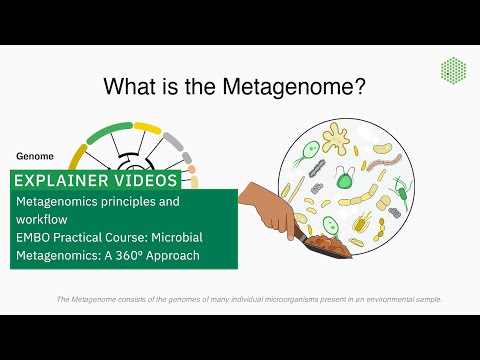
Metagenomics is like having a superpower for scientists. It allows them to study entire communities of microorganisms without the need to grow them in a lab. Imagine looking at a whole hidden world of bacteria and viruses living in your gut or in the ocean, just by collecting a sample and analyzing it. Pretty neat, right?
So, what’s the deal with recent advances in metagenomics? Well, technology is advancing super fast! Now we have high-throughput sequencing, which means we can read DNA from thousands of organisms all at once. This used to take forever and cost an arm and a leg. But now? It’s way more affordable and quicker.
One big thing that’s changing the game is how metagenomics helps with biodiversity research. Typically, identifying species involved lots of guesswork and sometimes misidentification. But thanks to gene sequencing, researchers can get accurate data on species present in any given environment. And this matters because understanding biodiversity is crucial for everything from conservation efforts to studying ecosystems.
Also, there are no more guessing games with culturing! You see, many microbes are hard—or even impossible—to culture using standard methods. Some can only be found in extreme environments like deep-sea vents or hot springs. With metagenomics, scientists can analyze these microbes’ genetic material directly from their environment.
Here are a few key points on how **metagenomics** impacts biodiversity research:
- Species identification: Removing ambiguity by providing precise genomic data.
- Ecosystem monitoring: Tracking changes over time helps gauge ecosystem health.
- Understanding interactions: Researchers can see how different species interact within communities.
Let’s say you’re interested in a coral reef system: metagenomics lets you look at all the tiny critters living there—from bacteria to plankton—without having to capture each one individually. So cool!
Here’s an emotional takeaway: A scientist once shared about how they stumbled upon an entirely new microbial species while studying soil samples from a rainforest; that discovery opened up avenues for understanding how these microbes affect plant health and overall forest dynamics. It wasn’t just about cataloging life but finding new connections in nature.
And speaking of connections, think about how diseases emerge! By tracking changes in microbial communities through metagenomic approaches, researchers can spot potential outbreaks before they spread widely.
So yeah, metagenomics isn’t just some fancy tech talk; it’s reshaping our understanding of life on Earth! Thanks to its transformative power, we’re not just scratching the surface anymore; we’re diving deep into the intricate web of life around us. Who knows what other hidden treasures we’ll uncover next?
Cutting-Edge Advancements in Metagenomics: Transforming Biodiversity Research in 2022
Metagenomics is like opening a treasure chest full of secrets about living things. It’s all about studying DNA directly from environments. So, instead of just grabbing samples of one organism, scientists can look at entire communities of microbes, plants, and animals in a single scoop. How cool is that?
What’s really exciting are the advancements in metagenomics that we’ve been seeing recently. They’re taking biodiversity research to a whole new level! Here are a few highlights:
- Next-Generation Sequencing (NGS): This technology has become super affordable and fast. NGS lets researchers sequence millions of fragments of DNA at once. Imagine trying to read every single book in a library all at the same time—crazy, right? Well, that’s what NGS does with genetic material.
- Bioinformatics Tools: With all that data coming in from NGS, scientists need powerful tools to make sense of it. New software helps decode complex genetic information into patterns we can understand. It’s like having a sophisticated translator for all those ancient texts you find in dusty libraries.
- Environmental Monitoring: Metagenomics allows researchers to monitor changes in biodiversity more accurately than ever before. By examining soil or water samples, they can detect how ecosystems shift over time due to climate change or pollution—kind of like keeping tabs on how your favorite TV show evolves season after season.
- Microbiome Studies: You know that gut feeling you get sometimes? Well, it turns out there’s an entire ecosystem living inside you! Research into human microbiomes is booming thanks to metagenomics. Understanding these tiny creatures helps improve health, nutrition, and even mental well-being.
- Conservation Efforts: By using metagenomic techniques, conservationists are now able to identify endangered species through environmental samples alone. This means they don’t necessarily have to capture animals anymore; they can find their DNA just chilling in the environment!
For example, during some biodiversity projects in tropical rainforests, scientists discovered new species just by analyzing soil samples! Imagine walking through a forest and knowing there’s hidden life around you that no one has even named yet.
But with all this power comes responsibility. The challenge now is ensuring that these advancements help preserve not only individual species but entire ecosystems too. There’s also the ethical side—how do we balance discovery with pollution?
In 2022, metagenomics is not just reshaping how we study organisms; it’s changing our very relationship with nature itself! The more we learn about these microscopic worlds within us and around us, the better equipped we’ll be for tackling issues like climate change or habitat loss.
So next time you hear someone mention metagenomics, think of it as more than just science jargon—it’s about unveiling beautiful stories buried deep within our planet’s diversity!
Exploring Metagenomics: A Comprehensive Review of Current Trends and Future Directions in Environmental Science
Alright, let’s chat about metagenomics. It’s this super cool field that’s changing how we look at the tiny life forms around us. Instead of just studying single organisms in isolation, metagenomics lets scientists analyze genetic material directly from environmental samples. Imagine taking a scoop of soil or a drop of water and figuring out what creatures are hanging out there without needing to culture them in a lab. Pretty neat, huh?
So here’s the thing: metagenomics combines ecology and genetics to give us insights into biodiversity that were nearly impossible before. This field is like a treasure map leading to hidden gems in our ecosystems. For example, researchers have uncovered unknown bacterial species lurking in complex environments like deep-sea vents or even our guts!
The techniques used involve sequencing DNA from all the organisms present in a sample. That means they get a snapshot of everything living there—even those tiny microbes you can’t see with the naked eye! They use advanced technologies like next-generation sequencing (NGS), which is super fast and allows for massive amounts of data to be generated quickly.
You might be asking yourself: what does this mean for biodiversity research? Well, think about it: with metagenomics, researchers can assess the health of ecosystems by monitoring changes in biodiversity over time. So when an area experiences stress, like pollution or climate change, scientists can spot these shifts and take action before things get really bad.
Here are some key points on current trends in metagenomics:
- Microbiome studies: Researchers are diving into how microbial communities affect everything from plant health to human health.
- Biodiversity assessments: Metagenomics is helping us catalog species in areas rich with life but low on previous study.
- Environmental monitoring: Scientists use metagenomic data to keep tabs on pollution effects and how ecosystems respond.
- Conservation efforts: Understanding genetic diversity helps conservationists protect endangered species more effectively.
But wait—there’s more! The future looks bright for this field. Combining metagenomics with other cutting-edge technologies like artificial intelligence could lead to revolutionary discoveries. Imagine AI helping decipher huge datasets from various ecosystems, spotting patterns that humans might miss!
And here’s something personal: when I first learned about microbial diversity through metagenomics, I was blown away by the idea that our world teems with life we often overlook. It made me think twice about every tiny speck of dirt or drop of ocean water! You know? Each one holds its own unique story.
In sum, metagenomics is pushing boundaries on how we understand life on Earth today while offering tools for tomorrow’s challenges. By mapping out genetic info from diverse environments, we’re not just learning; we’re equipping ourselves to tackle environmental issues head-on! How cool is that?
You know, when I first heard about metagenomics, I thought, “What is that even?” But then I learned it’s like having a backstage pass to the microbial world. Imagine diving into the DNA of an entire community of organisms all at once, right? It’s like going on an expedition without even needing to leave your lab—pretty cool!
Here’s the thing: biodiversity is so much more than just the cute pandas or colorful fish we see in documentaries. There are billions of tiny creatures out there that we can’t even see. These little guys play such vital roles in ecosystems—like breaking down waste, cycling nutrients, and influencing climate. But the challenge has always been: how do you study all these hidden players?
Metagenomics steps into this role like a superhero. Instead of trying to catch and culture every single species (which is a real pain and honestly super time-consuming), scientists can now take a sample from a given environment—say some soil or water—and analyze all the genetic material found there at once. It’s kind of like opening up Pandora’s box and discovering an entirely new world inside.
I remember this one time, my friend took me on a field trip to a local wetland for some hands-on research. We collected samples from different spots—the muddy banks and stagnant pools—and sent them off for metagenomic analysis later. We were completely blown away by what came back! There were microorganisms we didn’t even know existed in our own backyard! That really hit home for me; it made me think about how much we take our surroundings for granted.
Advancements in metagenomics have allowed researchers not only to identify new species but also understand how they interact with each other and their environment. This is important because biodiversity isn’t just about counting numbers but understanding relationships. The more we know about these interactions, the better we can protect ecosystems that are under threat from climate change or pollution.
And get this: metagenomics could lead us to discover new medicinal compounds or eco-friendly technologies! Just think about what would happen if they unearth something revolutionary from those hidden microbes! It feels like we’re only scratching the surface here.
So yeah, metagenomics really shakes things up in biodiversity research—it’s not just high-tech wizardry; it’s our ticket to comprehending nature’s complex tapestry better than ever before. And honestly? That’s something worth celebrating!