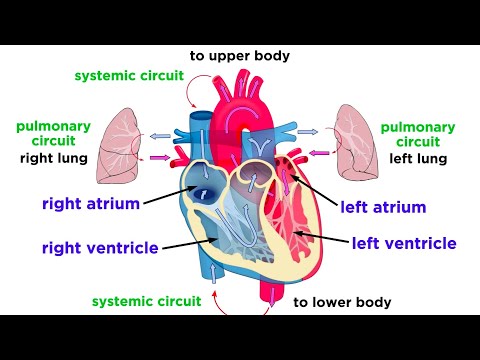
You know that feeling when your heart races after a heavy workout? It’s like your own internal drum solo, right? Well, that’s just your circulatory system doing its thing!
Imagine blood zooming through your body like tiny delivery trucks. Seriously, they’re on a mission to bring oxygen and nutrients to every cell. Isn’t that wild?
But, here’s the kicker: most of us don’t really think about how this whole system works. It’s like trying to appreciate a good movie without knowing the plot. So let’s break it down and visualize this incredible network in a fun way—because understanding our bodies is pretty cool!
Engaging Strategies for Teaching the Circulatory System: Fun Activities and Creative Approaches in Science Education
Sure! Teaching the circulatory system can be a blast, especially when you mix in some fun activities and creative approaches. Let’s chat about a few engaging strategies that really help visualize this complex system.
1. Create a Simple Model
One fun way to get hands-on is to make a model of the heart. Seriously, you can use materials like clay or even recycled bottles to shape the heart’s chambers and major vessels. This not only makes it tangible but lets students see how blood flows through the heart, which is super important for understanding how it all works.
2. Blood Flow Simulation
Another idea is to simulate blood flow. You might take red and blue colored water in clear tubes to represent oxygen-rich and oxygen-poor blood. Have students pump the “blood” through their model and watch how it travels from the heart to various parts of the body and back again.
3. Interactive Games
Games can also bring excitement into learning! Think about creating a scavenger hunt where students find different parts of the circulatory system around the classroom or schoolyard. As they find each item, they could match it with its function—like finding “artery” cards that explain what arteries do versus veins.
4. Storytelling Techniques
Using storytelling can be another engaging way to teach this topic. You could create a story where blood cells are characters on an adventure, traveling through the body and facing challenges along their journey, like navigating organs or fighting off “villains” like pathogens.
5. Visual Arts Integration
How about having your students draw or paint their own version of a circulatory system? Art can help reinforce what they’ve learned while letting them express themselves creatively! They could label all parts as they go—a great way to get familiar with terminology.
6. Use Technology
Incorporating tech can also spice things up! There are tons of apps out there that visualize bodily systems in 3D. Students can interact with these models on tablets or computers to see how blood pumps through the heart and circulates around the body.
That’s really just scratching the surface here. The thing is, making this subject interactive helps students connect with what they’re learning—and probably makes it more memorable too! When kids understand things better through activities, they’re more likely to retain that information long-term.
So remember: whether it’s modeling, gaming, storytelling or tech integration—these fun approaches not only teach science but spark curiosity in young minds. Sounds pretty cool, right?
Step-by-Step Guide to Creating a Working Model of the Human Circulatory System for Science Education
Creating a working model of the human circulatory system can be a fun and engaging way to understand how blood flows through our bodies. It’s all about getting hands-on with science! So, let’s get into it.
First off, you’ll need some materials. Here’s what I recommend:
- Plastic tubing: You can use clear or colored plastic straws. They’ll represent blood vessels.
- Balloon: A small one will work for the heart’s chambers.
- Pumps: For simulating the heart, you could use a hand pump or even just squeeze the balloon!
- Bottles: To hold water or colored liquid to represent blood.
- Markers and scissors: For labeling parts and cutting tubing.
Now that you’ve got your stuff together, it’s time to set it up!
Start with the heart. It’s a pump, you know? Take that balloon and cut it so that you can fit one end in your tubing. This will act like the left ventricle, where oxygen-rich blood comes in. When you squeeze it, think of how your heart pumps blood out to your body!
Next, connect tubes from your balloon (the heart) to different areas where you’d place “organs.” You could make one go to a bottle filled with red-colored water for oxygenated blood flowing out to the body and another going back for deoxygenated blood returning to the heart.
Speaking of organs, let’s add them! Like lungs—take another bottle filled with blue water and connect it to show how blood goes back to pick up oxygen. As this liquid moves through the tubes, explain how oxygen goes into our bloodstream while carbon dioxide gets kicked out.
Then you have veins and arteries. Use different colored liquids—red for arteries (carrying oxygen) and blue for veins (bringing carbon dioxide back). This visualization really helps clarify things! It’s like creating a little city where everything has its route.
Don’t forget about labeling! Use markers on paper or sticky notes to write down important parts like “heart,” “lungs,” “artery,” and “vein.” Whenever someone looks at your model, they’ll know what each part does.
Here comes the best part—it’s when all these parts work together! As someone pumps air into balloons representing lungs while squeezing that live-action pump for the heart – it starts showing how fast your circulatory system works during exercise versus resting.
It reminds me of my school science fair project years ago when my friend made a simple working model using only cardboard boxes we painted—he ended up winning best project because he showed not just how things worked but why they mattered! Your project could do just as well if you put passion into understanding each function.
So basically, this whole process isn’t just building something; it’s about making connections with real-life functions happening inside us every moment! You follow me? Give it a shot; it’s super enlightening!
Simple Ways to Teach Kids About the Circulatory System: Engaging Science Lessons
So, you want to teach kids about the circulatory system, huh? That’s awesome! The circulatory system is like the body’s freeway, and it gets all the good stuff to where it needs to go. Here are some simple ways to make learning about it fun and engaging.
- Use colorful visuals: Kids love bright colors! You can find or create charts showing how blood flows through the heart, arteries, and veins. Drawing a big heart diagram on a poster board could also be super helpful. It makes everything more relatable.
- Hands-on activities: Grab some red and blue balloons. Red can represent oxygen-rich blood—like from the lungs—and blue for oxygen-poor blood that’s heading back to get recharged. You can even have them make balloon animals representing how these vessels work.
- Role-play: Let them act out being different parts of the circulatory system. One kid can be the heart pumping blood while others pretend to be red and blue blood cells traveling through vessels. It’s hilarious to watch, and they’ll remember it way better!
- Simple experiments: You know those tiny fruit drinks in boxes? Pour one into a clear cup filled with water—it’ll look just like how blood moves around! Add some ice cubes or fruit slices for extra fun to represent nutrients!
- Storytime: Create a silly story about Blood Buddy who goes on an adventure through the body. You could include challenges like dodging bad cholesterol monsters or racing oxygen delivery routes. Kids will giggle while they learn!
A quick story: I remember when my niece was trying to understand why we need our hearts to pump blood. I took her outside and we watched a car driving down the street. I explained how just like cars carry people around, our heart pumps blood all over our bodies—filling up with oxygen just like filling up a gas tank! Her eyes lit up as she got it; she thought that was so cool!
The secret sauce here is making this information relatable and exciting—because trust me, when kids connect emotionally, they remember so much better! So don’t worry too much about every detail of anatomy; focus on creating those “aha” moments instead.
Keep mixing it up with different approaches; creativity is key! The more you engage their curiosity, the more they’ll want to learn about how their own bodies work—like superheroes in their own adventures!
You know, when I think about the human circulatory system, my mind instantly goes back to those colorful diagrams we used to see in school. Remember those? They were everywhere! It’s almost comforting, but also a bit complicated, like a busy city map. You’ve got arteries, veins, capillaries… it’s like a whole transportation network for your body. Seriously, though, it’s pretty amazing how our blood flows around—carrying oxygen and nutrients to where they’re needed.
I once had this super engaging science teacher who brought life to the circulatory system with a hands-on activity. We made mini-models using balloons and straws. The balloons represented the heart’s chambers while the straws were like arteries and veins… it was chaotic but so much fun! I mean, can you imagine pumping air into those balloons and watching the “blood” flow through the straws? It helped us visualize what was happening inside us without needing to peek inside anyone’s body. And honestly? I left class feeling like a little scientist ready to conquer the human body!
Visual aids are key when teaching something as intricate as this system. Pictures are great and posters can add flair to your classroom walls, but there’s nothing quite like getting hands-on experience. It’s way easier for anyone—especially students—to connect with something when they can see it in action or even interact with it.
Plus, technology today makes all this even cooler. There are 3D models and apps that let you explore the circulatory system from every angle. Imagine zooming into a vein on your tablet; now that’ll get kids excited! When you can visually map out how blood travels through your body and understand what each part does—it just clicks better.
So yeah, visualizing the circulatory system isn’t just about pretty pictures; it’s about making sense of how our bodies work in a way that’s easy for everyone to grasp. And who knows? That understanding could spark someone’s interest in becoming the next big scientist or doctor down the line! So next time someone asks you about circulation—or if you’re just curious yourself—remember: it’s all about connecting those dots… or maybe in this case, those veins!