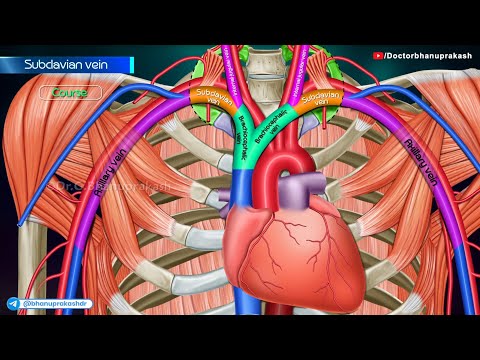
So, picture this: you’re hanging out with friends, and someone suddenly says, “Hey, what’s the deal with your veins?” Awkward silence. But then you realize how crucial they are! And one of the unsung heroes in your circulatory system is this little guy called the subclavian vein.
Seriously, it’s hiding under your collarbone and plays a major role in keeping your blood flowing smoothly. You might not think about it much—like that friend who always shows up but doesn’t get enough credit. But when it comes to circulatory health, this vein is kind of a big deal.
You might be wondering why we should even care about the subclavian vein. Well, let’s just say that without it doing its job right, things could get pretty messy inside you. So grab a cozy chair and let’s chat about what makes this vein tick and why it matters for our health!
Understanding the Subclavian Vein: Anatomy and Function in Human Physiology
The subclavian vein might not be the first thing that pops into your head when thinking about the human body, but it plays a pretty key role in keeping things running smoothly. So, let’s break it down, shall we?
What is the Subclavian Vein?
The subclavian vein is a major blood vessel that carries blood from your upper limbs back to your heart. It sits underneath your collarbone, or clavicle, hence the name “subclavian.” It’s like the highway for deoxygenated blood coming from your arms, neck, and parts of your head.
Anatomy Basics
You’ve got two subclavian veins: one on the left and one on the right. They form when smaller veins, like the axillary vein, merge together. Each side empties into a larger vein called the brachiocephalic vein. From there, everything flows straight into the superior vena cava and then back to your heart. Pretty neat!
Functions Matter
So why does this all matter? Well, for starters:
- Blood Return: The subclavian veins are crucial in returning deoxygenated blood to the heart after it has delivered oxygen to tissues.
- Lymphatic Drainage: They work alongside lymphatic vessels to help drain excess fluid from tissues in that area.
- Central Venous Access: Medically speaking, they can be used for placing central lines to deliver medications or fluids directly into circulation.
Imagine you’re running around and need oxygen supply in your muscles. Your heart beats faster to pump oxygen-rich blood around while helping remove waste gases like carbon dioxide. If anything goes wrong with those subclavian veins—like a clot—things can get dicey! You might feel pain or even swelling in your arm.
An Example of Functionality
When you lift weights or wave goodbye (you know?), those muscles need more oxygen-rich blood flowing through them. The subclavian veins are part of making sure that used-up blood heads back where it belongs—your heart is counting on them!
A Little About Health Implications
Okay, so think about how important circulation is. If something messes with these veins—say a thrombosis (that’s just fancy talk for a clot)—you could experience discomfort or swelling in your arms. This condition might need medical attention because if clots break loose, they can travel and cause bigger issues.
In short, understanding how essential those little tubes under our collarbones are helps you appreciate this amazing system we have going on inside us every day! Your body is like this intricate machine where each piece plays its role; it’s wild but also super cool!
Understanding Subclavian Vein Blockage: Causes, Symptoms, and Implications in Vascular Health
Alright, let’s chat about something that might sound a bit complicated but is super interesting—subclavian vein blockage. So, you know how your body has these amazing highways called veins and arteries? Well, the subclavian vein is one of those highways, and it plays a big role in how blood gets around your body.
The subclavian vein runs under your collarbone, connecting blood from your arms back to the heart. It’s like the main route for blood coming from the upper body. When you have a blockage here, it can cause some serious issues. Let’s break down what causes this blockage, how to spot it through symptoms, and why it matters for your vascular health.
Causes of Subclavian Vein Blockage
There are several reasons why someone might experience a blockage in the subclavian vein:
- Physical Compression: One common cause is when something presses on the vein. This can happen due to an extra rib (called a cervical rib) or tight muscles around the shoulder.
- Blood Clots: Sometimes, blood can clot in the subclavian vein itself. Factors like immobility or certain medical conditions increase this risk.
- Tumors: Rarely, tumors in nearby areas can grow and press against the vein.
- Pacemaker Wires: If you’ve had heart surgery or have a pacemaker, wires can sometimes create blockages too.
You might be wondering how any of this actually feels. And that brings us to symptoms!
Symptoms of Subclavian Vein Blockage
If there’s something wrong with your subclavian vein, you can experience different symptoms. Here are some things to look out for:
- Swelling: You might notice that one arm becomes swollen compared to the other.
- Pain or Discomfort: Some folks feel pain around their neck or shoulder area.
- Bluish Skin Color: The skin might appear bluish or discolored where the arm is affected due to lack of oxygenated blood getting through properly.
- Cramps: Sudden cramps in an arm could also indicate something’s off!
If you think about it, all these symptoms are basically warning signals from your body saying “Hey! Something’s not right here!” The key is not to ignore them because this stuff really matters for how well your body functions overall!
The Implications in Vascular Health
A blockage in the subclavian vein isn’t just an inconvenience; it could affect other parts of your vascular health too. Let me explain why this matters:
- Circulation Issues: A blocked subclavian vein means less efficient blood return from the upper extremities, which could slow overall circulation.
- Buildup of Pressure: Blood may back up into smaller veins leading to further complications such as swelling and even varicose veins over time.
- Potential for Thrombosis:The risk of deep vein thrombosis (DVT) increases if blood flow slows down significantly.
You see? It’s like when one lane on a highway gets blocked—you end up with traffic jams everywhere! Even if you’ve never thought much about veins before today, understanding their importance gives you insight into our bodies’ health mechanisms.
If anything seems off with your veins or circulation—like if you’re feeling unusual pain or swelling—it’s smart to check with a healthcare professional. They’re experts who deal with this stuff every day and can help get things back on track!
The bottom line? Your subclavian veins play an essential role in keeping everything running smoothly when it comes to circulation. And when they get blocked? Well, that’s definitely not something you want happening!
Understanding the Role of the Subclavian Vein in the Lymphatic System: Functions and Significance in Human Physiology
Alright, let’s chat about the subclavian vein and its significance in our body. It might sound like a technical term, but just hang tight! This vein plays a crucial role in the lymphatic system, which is super important for keeping our bodies healthy.
To start, imagine the subclavian vein as a big highway for blood and lymph fluid. It runs beneath your collarbone and connects with other veins to bring blood back to your heart, which is kind of its main gig. But here’s where it gets interesting: this vein also links with the lymphatic system, helping manage fluids and waste.
The lymphatic system is like your body’s cleanup crew. It collects extra fluid that leaks out of your blood vessels—kinda like how a sponge holds onto more water than it should. This excess fluid can contain proteins, fats, and even immune cells that need to get back into circulation. And guess where they go? Yep, into the subclavian vein!
- Fluid Regulation: The subclavian vein helps return lymph fluid back into circulation, preventing swelling.
- Nutrient Transport: It also helps transport nutrients from digested food via lymph from the intestines.
- Immune Response: By moving immune cells through this route, it supports your body in fighting infections.
You might be wondering how this all ties together with circulatory health. Well, if there’s an issue with the subclavian vein—like a blockage or clot—it can mess up how blood and lymph flow in the whole area. Imagine trying to drive on a highway that suddenly has roadwork; everything slows down or stops! That can lead to issues like swelling or infections because the fluid can’t drain properly.
I remember once hearing about someone who had this problem due to a thoracic outlet syndrome—basically when bones or muscles around your collarbone pinch nerves or veins. That person experienced not just pain but also swelling in their arm because the subclavian vein wasn’t doing its job well anymore! Such instances highlight just how vital this little (but mighty!) vessel is.
In summary, understanding the role of the subclavian vein gives us insight into healthy body function. It’s key for both waste management and nutrient transport, playing an essential part in keeping everything flowing seamlessly. So next time you think about veins and arteries, remember that it’s about more than just what’s moving through them; it’s about how they keep us functioning at our best!
You know, when we talk about veins, they might not seem super exciting at first glance. But the subclavian vein? That one’s got a pretty cool job in our body, and I think we should give it some love.
So, let’s break it down a bit. The subclavian vein is like a major highway for blood—specifically, it carries blood from your arms and parts of your neck back to your heart. It’s nestled under your collarbone (the clavicle), which is where it gets its name. And just like any highway, if there are issues, it can cause traffic jams—or in our case, health problems.
Now here’s something personal: I once had a friend who developed a condition that affected his circulation. Watching him struggle with something as basic as moving around was eye-opening. It made me realize how much we depend on our veins and arteries to keep everything running smoothly. And the subclavian vein? It plays a massive role in this whole circulatory orchestra.
When things go wrong there—like thrombosis or compression—your body starts sending distress signals. You might feel swelling in your arms or even pain; not fun at all! So keeping this little guy healthy is really important for overall well-being.
One of the coolest things is how interconnected everything is within our circulatory system. Problems with one part can affect so many others. For instance, if there’s pressure on the subclavian vein due to posture or other issues, it can influence blood flow to the heart and brain.
So yeah, understanding the anatomy of something like the subclavian vein isn’t just for doctors and nurses—it really matters for all of us! By taking care of our bodies and being aware of these parts often overlooked, we’re silently championing our own circulatory health every day!