Did you know your heart beats over 100,000 times a day? That’s like running a marathon without even breaking a sweat!
I remember one time, I was sitting with my buddy after a workout, and he was bragging about how fast his heart was racing. I mean, we were both huffing and puffing! But it got me thinking… what the heck is going on inside our bodies while we’re working hard?
That’s when I started digging into how our circulatory system keeps everything running smoothly. Seriously, it’s like your body’s personal delivery service, zipping nutrients around and picking up trash. Pretty wild stuff, right?
So let’s break down this amazing system that keeps us alive and kicking. You’re gonna want to know how this all works!
Understanding the 7 Essential Steps of Blood Flow in Human Circulation
The human circulatory system is like a super-efficient highway system that helps transport essential supplies throughout your body. Blood flow plays a crucial role in maintaining your health, and understanding it can be pretty fascinating! Let’s break down the seven essential steps of blood flow in human circulation.
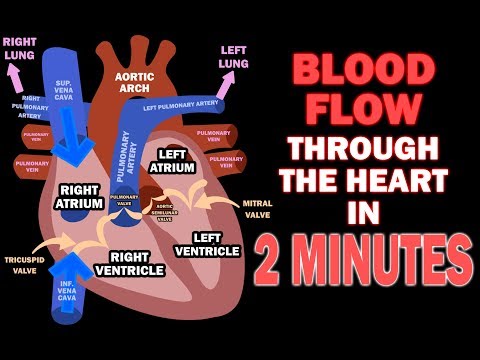
The journey begins when oxygen-poor blood returns to the heart from the body. This happens via two large veins called the superior and inferior vena cavae. Imagine these veins as two big highways leading into a central hub—the heart.
Next up, the right atrium. Blood enters this upper chamber of the heart as it prepares for its next destination. The thing is, here’s where things get really interesting: when your heart beats, it contracts, pushing blood through a valve into another chamber.
The right ventricle is where blood goes after the right atrium. This chamber pumps blood into the pulmonary arteries. Why is this important? Well, those arteries lead to your lungs! This step is crucial because your body needs to dump carbon dioxide and grab fresh oxygen.
Now we’re at the lungs! Here’s where that magical gas exchange happens. Oxygen enters your bloodstream, while carbon dioxide leaves. Picture tiny air sacs called alveoli working hard to make this all happen—it’s like an efficient little factory doing its job!
Then, after getting loaded up with oxygen, blood returns to the heart through the pulmonary veins. This part of the journey takes you back to a different chamber—this time it’s the left atrium of your heart. Think of it as a cozy rest stop; here, blood prepares for another push onward.
Once in the left ventricle, things get super exciting! This chamber has thick walls because it has to pump oxygen-rich blood all over your body. It shoots out through the aorta—the largest artery in your body! Imagine this artery as an enormous river branching off into smaller streams that nourish every part of you.
Finally, we reach the rest of your body. The oxygenated blood travels through progressively smaller arteries until it becomes tiny capillaries—these are like little bridges connecting all cells that need oxygen and nutrients. As blood flows through these capillaries, it delivers what every cell needs to thrive while picking up waste products like carbon dioxide.
And so, the cycle continues! Your body relies on this intricate flow system to keep everything running smoothly. Just think about how many times this process happens each day; it’s truly mesmerizing!
Understanding the Function of the Circulatory System: Insights from Chapter 2 of Milady’s Science for Estheticians
The circulatory system is like your body’s delivery service, transporting essentials to where they’re needed and picking up waste to get rid of. It’s made up of the heart, blood vessels, and blood. So, let’s break it down a bit.
Your heart is the superstar here. It pumps blood all around your body through a network of arteries and veins. Imagine it as a strong engine, pushing out oxygen-rich blood from the left side and pulling back oxygen-poor blood on the right side.
- Arteries are the highways for oxygenated blood. They take it from your heart to every cell in your body.
- Veins are like side roads that bring deoxygenated blood back to the heart. They have valves to prevent backflow—kind of like one-way streets!
- Capillaries, the smallest of them all, are where everything happens at a micro level. They connect arteries and veins and allow nutrients and waste to exchange with cells.
The thing is, every beat of your heart pushes about five liters of blood through this whole system! That’s enough to fill a typical water cooler jug every few minutes—crazy, huh? This constant flow keeps your body running smoothly.
You might be wondering why this matters for estheticians or anyone interested in skin health. Well, look: good circulation sends nutrients directly to skin cells while helping remove toxins. So when you’re getting facial treatments, for instance, better circulation can lead to healthier-looking skin. It’s like watering plants; they thrive when they get enough nutrients!
Certain factors impact how well your circulatory system functions too. Things like exercise can really amp things up! Regular workouts strengthen your heart so it can pump more efficiently over time—it’s pretty much a win-win situation.
If we go deeper into components, let’s talk about blood. Blood is about 55% plasma (the liquid part) which carries most of what you need: nutrients, hormones, proteins…and yes, even waste products that need disposal. The rest is made up mostly of red and white blood cells along with platelets—these guys work together to transport oxygen and fight infections. Super teamwork!
<p<certain conditions affect circulation too—like smoking or being sedentary which can lead to problems such as high blood pressure even clotting issues over time. keeping your circulatory system healthy means maintaining a balanced lifestyle.
The bottom line is this: Understanding how your circulatory system works isn’t just textbook stuff; it has real-life implications for health and beauty! Whether you’re aiming for glowing skin or just want great overall health, taking care of this intricate network is key.
Understanding the Functions of the Circulatory System: Key Processes and Their Impact on Human Health
The circulatory system is like the body’s delivery service, working hard to keep everything running smoothly. Imagine it as a network of roads where blood travels, bringing nutrients and oxygen to your body while taking away waste. It’s incredibly important for your overall health, and understanding how it works can really make you appreciate all those little things your body does for you every day.
So, what exactly is the circulatory system? Well, it mainly consists of the heart, blood vessels, and blood. The heart acts as a pump that keeps everything moving. It has four chambers: two atria (the upper ones) and two ventricles (the lower ones). These chambers work together to push oxygen-rich blood out to the body and bring back oxygen-poor blood to be re-oxygenated in the lungs.
Alright, let’s break down some key processes:
- Oxygen Transport: When you breathe in, air enters your lungs. Here, oxygen moves into your blood through tiny air sacs called alveoli. Your heart pumps this oxygen-rich blood through arteries to all parts of your body.
- Nutrient Delivery: Blood doesn’t just carry oxygen; it also transports nutrients absorbed from food. These nutrients are essential for energy production and cell repair.
- Waste Removal: Blood picks up waste products like carbon dioxide and urea from cells. It carries them back to the lungs and kidneys for elimination. This process is crucial because not removing waste can lead to serious health issues.
- Thermoregulation: Your circulatory system helps regulate body temperature too! When you’re hot, blood vessels near your skin dilate (get wider) to release heat. In contrast, they constrict when you’re cold, helping you conserve heat.
You know what’s so amazing? The circulatory system doesn’t just work alone; it interacts with almost every other system in your body—like the respiratory system for gas exchange or the endocrine system for hormone distribution. This constant communication is what keeps us alive and well!
The impact on human health is profound. For example, if there’s a problem with circulation—like blocked arteries due to plaque build-up—it can lead to conditions such as heart attacks or strokes. Maintaining a healthy lifestyle with good nutrition and regular exercise helps keep your circulatory system in check.
I remember when my friend had a pretty scary experience with her heart rate being way too high after running up some stairs! It was surprising but also kind of interesting because it showed how our bodies react quickly under stress or exertion—a direct reflection of how well our circulatory system functions!
In short, staying aware of these processes helps us take better care of ourselves. The circulatory system is central to our health; treating it well means more energy and fewer health issues down the line!
You know, the circulatory system is like this super cool highway inside your body. It’s not just about pumping blood; it’s a whole intricate web of vessels, valves, and cells working together to keep everything running smoothly. Imagine you’re driving on a highway. There are cars, traffic signals, and even pit stops along the way. That’s kinda how your circulatory system functions!
So, let me tell you a little story. A friend of mine once got really tired after running a race. I mean, we all do, right? But she was just out of breath and her heart was racing—literally! It reminded me how our hearts work hard to pump blood faster when we’re active. It’s like they’re saying, “Okay, time to deliver more oxygen to those muscles!” And isn’t it amazing that this happens automatically without us even thinking about it?
Now picture this: you have red blood cells zooming around in your veins like little delivery drivers bringing oxygen from your lungs to every single cell in your body. Then there’s carbon dioxide piled up in those cells waiting for a ride back for disposal. This whole exchange is happening all the time!
But let’s not forget about the heart itself; it’s like the powerful engine at the center of this whole operation – pumping away relentlessly day in and day out. And believe it or not, it doesn’t even get tired! How wild is that?
And there’s more! The circulatory system also helps with fighting infections via white blood cells and keeps our body temperature stable by adjusting blood flow near the surface of our skin.
Isn’t it funny how we often take these things for granted? We hardly stop and think about what’s going on beneath our skin while we’re going about our daily lives. Just next time you feel your heart beat or notice that rush of energy when you’re excited or scared—just pause for a moment to appreciate that intricate dance happening inside you. Your body really knows how to do its job!
</p