So, I’ve got this friend who swears that his heart skips a beat every time he sees his crush. Yeah, I know, classic romantic move, right? But like, it actually does make you wonder how our hearts work in real life.
Did you know that your heart is about the size of your fist? Wild, huh? It’s this incredible little organ that pumps blood and keeps everything running smoothly. Seriously!
Let’s take a stroll through the fascinating maze of the heart’s anatomy and physiology. You’ll be amazed at what goes on behind the scenes while you’re just chilling or chasing after a bus. It’s not just a muscle; it’s like the ultimate multitasker!
Stick around, because diving into this topic will totally change how you think about that little love generator in your chest.
Comprehensive Guide to the Anatomy and Physiology of the Heart: Downloadable PDF Resource for Students and Educators in Science
Sure, let’s chat about the heart. It’s pretty much the superstar of our circulatory system, right? You know, your heart’s constantly pumping away, making sure blood flows all around your body. But what exactly is going on inside that muscle? It’s fascinating stuff!
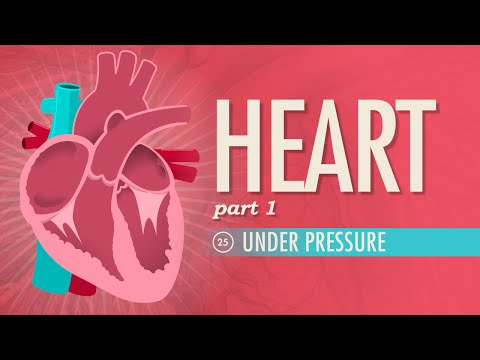
First off, let’s think about the anatomy of the heart. The heart is like a four-chambered house. You’ve got two upper chambers called atria and two lower chambers known as ventricles. Here’s how it works:
- Right Atrium: This chamber receives deoxygenated blood from the body through veins.
- Right Ventricle: Pumps that deoxygenated blood to the lungs for oxygenation.
- Left Atrium: Gets oxygen-rich blood from the lungs.
- Left Ventricle: The powerhouse! This pumps the oxygen-rich blood out to the rest of your body.
That contract and relax dance these chambers do is called a cardiac cycle. It’s like a heartbeat you can hear when you place your hand on your chest!
Now, let’s get into some cool physiology. The heart works thanks to its own electrical system! Seriously, your heart has special cells that generate electrical impulses. This is what keeps everything in sync, kinda like a conductor leading an orchestra.
You see, it all starts with something called the sinoatrial (SA) node, often nicknamed the “natural pacemaker.” When it sends out an impulse, it makes the atria contract and push blood down into the ventricles. Then another impulse triggers contraction in those ventricles—whoosh! Blood gets pumped out.
But wait! Did you know that the heart’s muscle tissue actually has a unique name? It’s called myocardium. This muscle is super strong and designed to withstand continuous work without tiring out.
Now here comes something super important: how does this all relate to health? Well, if there are issues – like blockages or arrhythmias – it can seriously affect how well your heart pumps blood. That might lead to conditions like hypertension or even heart failure over time. So keeping it healthy is key!
Also, I can’t not mention lifestyle choices! Eating well and staying active can help keep your ticker happy. Just think about how much better we feel after moving around or choosing a nutritious meal over junk food—it really does make a difference.
So next time you’re feeling that heartbeat or catching some exciting medical drama with dramatic defibrillator scenes (let’s be real!), remember there’s so much more happening below the surface of this incredible organ!
Your heart works so hard every second of every day—it’s definitely worth knowing more about its anatomy and physiology. Keep asking questions; science only gets more interesting as you dive deeper!
Comprehensive Guide to Heart Anatomy: Downloadable PDF for Scientific Study
The heart, you know, is like a super cool organ that works tirelessly to keep us alive. It pumps blood, which carries oxygen and nutrients throughout our bodies. Think of it as a living, beating engine that’s always on the job. Let’s break down its anatomy and physiology in a way that makes sense.
Your Heart’s Structure
First off, the heart has four main chambers:
- Right Atrium: This is where blood returns from the body after delivering oxygen and picks up carbon dioxide.
- Right Ventricle: Blood then flows into this chamber before it gets pumped to the lungs for oxygen.
- Left Atrium: Freshly oxygenated blood comes back from the lungs into this chamber.
- Left Ventricle: Finally, this is the powerhouse that pumps oxygen-rich blood out to the entire body.
The myocardium is actually the thick muscular layer of your heart wall. It’s super important because it contracts to pump blood. The outer layer, or epicardium, protects your heart, while the inner layer, called endocardium, keeps the chambers smooth so blood can flow easily.
The Heart’s Valves
Valves are like little doors that ensure blood flows in one direction:
- Tricuspid Valve: Located between the right atrium and right ventricle; opens when blood moves down from the atrium.
- Pulmonary Valve: This one lets blood exit into the pulmonary artery towards the lungs.
- Mitral Valve: Between left atrium and left ventricle; it opens when oxygenated blood is ready to flow down.
- Aortic Valve: Lastly, this valve takes care of letting blood go out into your body through the aorta.
Each time your heart beats, these valves open and close perfectly—like synchronized swimmers—ensuring everything runs smoothly.
The Circulatory System Connection
Now let’s think about how everything connects with your circulatory system. Blood circulation happens in two main loops:
- Pulmonary Circulation: Here’s where deoxygenated blood goes to the lungs via the pulmonary artery. It picks up oxygen and releases carbon dioxide before returning to your heart.
- Systemic Circulation: This loop sends oxygen-rich blood from your heart all around your body through arteries. After delivering nutrients, it returns deoxygenated through veins back to where we started—the right atrium!
The whole thing works together so well you might not even think about it most of the time—until something goes wrong!
The Electrical System of Your Heart
But wait! There’s more! Your heart has its own electrical system that controls its rhythm. The sinoatrial (SA) node is often called your heart’s natural pacemaker. It tells your heart when to beat by sending electrical impulses.
These impulses travel through pathways in your heart—a bit like waves spreading across a pond—and they trigger muscle contractions in sync with each beat! How cool is that?
So there you have it—the intricate yet fascinating anatomy and physiology of your heart! From its chambers and valves to how it links up with our circulatory system—everything plays an important part in keeping us alive and kicking every day!
Comprehensive Guide to Heart Anatomy and Physiology in Cardiovascular Science
Alright, let’s chat about the heart. It’s this amazing organ that’s like the superstar of the cardiovascular system. Seriously, it’s what keeps our blood pumping and our bodies functioning.
First off, let’s break down some anatomy. The heart is a muscular organ divided into four main chambers: two **atria** on top and two **ventricles** on the bottom. The right atrium receives oxygen-poor blood from the body, while the left atrium gets oxygen-rich blood from the lungs. Then, those ventricles? Well, they pump that blood out—the right ventricle sends it to the lungs to pick up oxygen, and the left ventricle sends it all around your body.
You see those chambers? They’re separated by valves that ensure blood flows in only one direction. Think of them as little bouncers keeping things orderly in a club. The tricuspid valve is between the right atrium and ventricle, while the mitral valve sits between the left atrium and ventricle. You don’t want any mixing up—each chamber has a job to do!
Now, about those big vessels! The aorta is like this thick trunk of a tree that carries oxygen-rich blood away from your heart to nourish your tissues. Meanwhile, your **venae cavae** are these huge veins bringing deoxygenated blood back to your heart from everywhere in your body.
But hey, it doesn’t stop there! The heart has its own electrical system too! You know how sometimes you get nervous when public speaking? Well, similarly, your heart has an internal pace-maker called the **sinoatrial (SA) node**, which kicks off each heartbeat by sending out electrical signals. This keeps everything synchronized so that all parts of your heart contract at just the right time.
Speaking of contractions, let’s talk about how this all works physiologically! When you exercise or feel anxious (like I said before), your brain sends signals through nerves to speed up your heart rate so you can pump more blood faster—helps with delivering oxygen during those intense moments!
Here’s something cool: Did you know that when you press down on your chest during CPR? You’re actually mimicking those contractions? That rhythm puts pressure on the heart and lungs to keep some blood flowing even when natural beats stop.
In fact, the average adult heart beats about 70 times per minute. That means it will beat about 100,000 times a day—that’s over 36 million times a year! Imagine if we had to count each one; we’d need some serious dedication!
So yeah, now you’ve got an idea of how intricate and vital this whole system is. Just think about how much work goes on in there without us even noticing sometimes—it truly is something special!
You know, the heart has always felt like this mysterious little engine running inside us. It’s often romanticized, right? But when you really look at it, the heart is not just some love symbol; it’s an incredible piece of biological engineering.
So let’s talk about what makes this organ tick, literally. The heart’s anatomy is super intricate. Picture it: a muscular organ divided into four chambers—two atria on the top and two ventricles below. They work together like a well-rehearsed team at a concert, making sure blood flows in perfect rhythm. The right side takes in deoxygenated blood and sends it to the lungs to grab some fresh oxygen. Then the left side pumps that oxygen-rich blood out to your body. It’s like a constant dance party happening day in and day out!
And speaking of dances—remember that time you got lost in a great song? Your heart probably raced, right? That’s because it reacts to emotions too! Seriously, your autonomic nervous system has two branches: one that ramps up your heart rate during excitement or stress (that’s called sympathetic), and another that calms it down (the parasympathetic). So whether you’re gearing up for a thrilling ride or just chilling with friends, your heart adjusts like it’s in tune with the vibe.
Now let’s chat about how this little dynamo keeps ticking over years and years. The heart has its own electrical system! Yeah, totally wild! There are specialized cells called pacemaker cells that generate signals to coordinate each heartbeat. So while you might be busy figuring out what to have for dinner or scrolling through social media, your heart’s doing its own thing without you even having to think about it.
But here’s something that hits home for a lot of us: heart health is so important. I remember my grandfather sharing stories about his younger days—hiking mountains and dancing at parties—and then later struggling with health issues related to his heart. It was tough seeing him go from vibrant adventures to being more sedentary because of something so vital being out of whack.
That brings me back to how crucial it is for us all to pay attention! Eating healthier foods, staying active, managing stress—it can make a world of difference for our hearts! So next time you feel that steady thump-thump-thump inside your chest or find yourself smiling at someone special, remember there’s more than just love behind those beats; there’s an entire world of complex functions keeping us alive and thriving every single day!