Alright, picture this: you’re trying to open a jar of pickles. You know, that moment when your fingers start to cramp and sweat’s trickling down your back? It’s like the ultimate test of strength, right? But behind that struggle is some pretty neat anatomy at work.
Your fingers aren’t just random digits on your hands. There’s a whole intricate system of joints and ligaments doing their thing. Seriously! It all comes together to let you do simple stuff like typing or, you know, wrestling with stubborn jars.
So, let’s dig into the cool structure of finger joints. It’s wild how these little bones help you grab a coffee mug or give a thumbs-up after a solid joke.
Exploring the Function of Finger Joints: Anatomy and Biomechanics in Human Biology
So, finger joints. You might think they’re just those little knobby bits that help us do stuff like wave hello or pick up a coffee cup, but there’s actually a lot more going on under the surface. Our fingers are incredibly complex structures. They let us perform delicate tasks and exhibit a range of motion that’s pretty remarkable.
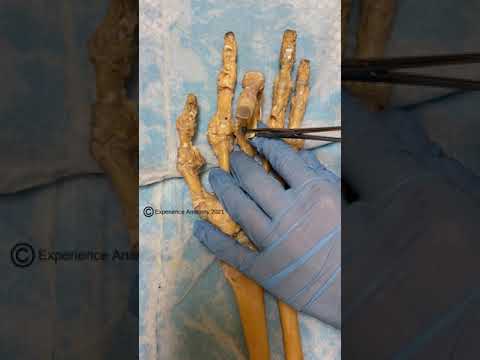
First off, let’s talk about the basics of finger joint anatomy. Each finger has three main segments: the proximal phalanx, the middle phalanx, and the distal phalanx. The thumb is a bit different; it only has two: the proximal and distal phalanx. The joints between these bones are called interphalangeal joints. Now, each joint is surrounded by synovial fluid, which helps reduce friction and keep everything moving smoothly.
- PIP (Proximal Interphalangeal) Joint: This joint connects the proximal and middle phalanges. It allows for bending and straightening—what we call flexion and extension.
- DIP (Distal Interphalangeal) Joint: Located between the middle and distal phalanges, this one lets us curl our fingers inwards, like when you hold a ball.
- MCP (Metacarpophalangeal) Joint: The joint at the base of your fingers where they meet your hand. This one is super versatile; it allows not only flexion but also some twisting movements.
The reason we can move our fingers with such precision boils down to their biomechanics. There are muscles in your forearm that control these movements through tendons that extend into your fingers. When you want to move a finger, signals from your brain tell these muscles to contract or relax. It’s like having little motors in your forearms!
You know when you get really into playing guitar or typing on your phone? That’s all thanks to those tiny muscle actions working together! If you’ve ever overdone it with finger exercises or strumming too much, you might have felt sore afterwards—that’s because those muscles were working overtime!
A really cool aspect of our finger joints is their range of motion. Each joint can bend to a certain degree—typically around 90 degrees at the PIP joint and 80 degrees at the DIP joint! But here’s something interesting: although we often think of flexibility as being bad for stability, our finger joints maintain both functions pretty well. Thanks to strong ligaments surrounding them, they can withstand quite a bit without losing their shape or function.
- Tendons: Connect muscles to bones and help facilitate movement.
- Ligaments: Connect bones to other bones at each joint for stability.
- Synovial fluid: Acts as lubricant so everything can slide around easily without friction damage.
If you’ve ever seen someone with arthritis in their hands, it really puts things into perspective about how important these structures are! Arthritis can lead to pain and decreased range of motion due to inflammation in the joints. It’s kind of heartbreaking to watch someone struggle with basic tasks because their finger joints aren’t functioning like they used to.
The takeaway here? Next time you wave at someone or grip something tight, remember all that intricate anatomy and biomechanics kicking into action behind those seemingly simple movements! Your fingers are truly amazing tools for expression, creation, and connection—much more than just “those knobby bits.” Keep them moving well!
Exploring the Anatomical Structure of Human Fingers: Insights from Anatomy and Physiology
Alright, let’s talk about our amazing fingers! You know, those things you use every day to type, text, or maybe even play guitar? They’re marvels of engineering. Seriously! The anatomical structure of human fingers is both complex and fascinating.
First off, each finger has three parts called phalanges. Yeah, that’s a fancy word for bone segments. Your thumb? It’s got two phalanges instead of three because it’s special like that. Pretty cool, huh?
- The three types of phalanges are the proximal (the one closest to your hand), the middle (this one is in between), and the distal (the tip of your finger).
- Your thumb is made up of a proximal and a distal phalanx.
- The joints between these bones are where all the magic happens!
Now let’s not forget about those joints. There are two main types in your fingers: interphalangeal joints and the metacarpophalangeal joint. The first ones connect the phalanges while the second one connects your fingers to the rest of your hand. The function of these joints is super important; they let you flex and extend your fingers. Imagine trying to hold a cup without being able to move them! No thanks.
The real MVP here is cartilage. It covers and cushions the ends of bones at joint areas so they glide smoothly against each other when you move your fingers around. This little cushion helps keep things from getting too bumpy when you’re doing daily stuff like typing or playing sports.
Connecting all this bone action are some really cool elements like ligaments and tendons. Ligaments are tough bands that connect bone to bone, while tendons connect muscle to bone. For example, when you flex your fingers, there’s a muscle in your forearm that pulls on a tendon making it happen! It’s like an orchestra working together for smooth movement.
Here’s something emotional—think about when you learn to play piano or type fast on a keyboard. The moment those complex movements become second nature to you? That connection between brain signals and finger movements shows just how intricate our anatomy and physiology really are! Your fingers literally respond because their structure allows it.
Lastly, don’t overlook how sensitive fingertips are due to lots of nerve endings! That’s why we can feel everything from hot coffee to soft kitten fur with just a light touch. This sensitivity helps us interact with our environment in a way that’s so vital for everyday life!
So next time you’re using your hands for something simple or complex—like crafting something awesome—remember there’s so much happening beneath the surface. It’s an intricate system working beautifully together!
Exploring the Anatomical Functions of Each Finger: A Scientific Perspective
So, let’s chat about your fingers. Sounds simple, right? But these little guys are like mini marvels of biology! Each finger is packed with bones, muscles, tendons, and nerves that all work together like a finely tuned orchestra. The thing is, there’s a lot more going on than just flipping the bird or typing away on your phone.
Your fingers have three main joints: the metacarpophalangeal joint (try saying that five times fast), the proximal interphalangeal joint, and the distal interphalangeal joint. These joints let your fingers bend and straighten—basically enabling all those intricate movements you make every day.
Let’s break it down:
- Thumb: Your thumb has two joints. It’s super flexible and can move in ways that make gripping things easy-peasy! That opposable ability? That’s what makes it special—allowing you to grab stuff effectively.
- Index Finger: This one is all about precision! The index finger also has three joints and helps with fine motor skills. Seriously, think about how you use it to point or poke something.
- Middle Finger: Believe it or not, it’s often referred to as the strongest finger because it has a longer tendon support for strength and grip. It leads in dexterity too!
- Ring Finger: Many people wear wedding rings on this finger! But aside from jewelry status, it plays a crucial role in gripping power when combined with others.
- Pinky Finger: Don’t underestimate the pinky! It adds balance to your grip—kind of like how a stabilizer works on a bike.
You know what I find fascinating? When you break down finger anatomy further—it gets even cooler. Each finger has flexor muscles that help with bending and extensor muscles for straightening out. That means when you wave hello or give someone a thumbs-up—it’s all thanks to this muscle action working under your skin.
Also funny enough, most people don’t think much about their nails—but they actually have some anatomical significance too! Nails protect the tips of fingers and enhance our sense of touch by providing support for sensitive nerve endings underneath.
Now here’s something personal: I vividly remember my first piano lesson as a kid—struggling to place my fingers correctly on the keys while trying not to pluck them off like overripe fruit! It taught me just how much finger coordination matters in daily activities.
Finally, let’s touch on nerve endings (not literally!). Your fingertips are loaded with sensory receptors that help you feel textures and temperature changes—a vital function for survival! Ever accidentally touched something too hot? Yeah—that quick reflex is thanks to all those nerves sending signals straight to your brain.
So next time you’re typing or playing an instrument or even giving someone high five, take a moment to appreciate these tiny but mighty anatomical wonders at work. Fingers sure are more than just digits; they’re superstars in their own right!
So, let’s chat about finger joints for a second. You know how we often take our fingers for granted? Seriously, think about it—how many times do you just reach for something without even realizing all the intricate movements happening in your hand? It’s wild!
Now, when we talk about finger joint anatomy, we’re diving into some fascinating stuff. Your fingers have three main types of joints: the knuckle joint (the metacarpophalangeal joint, if you wanna be fancy), the proximal interphalangeal joint, and the distal interphalangeal joint. The way these joints work together is just brilliant.
Imagine this for a moment: I remember trying to teach my little cousin how to play guitar last summer. At first, she couldn’t quite get how to hold down the strings; her fingers seemed all over the place! But gradually, as she started to understand how those little joints flexed and extended together, it was like magic. Suddenly, she could strum those chords like a pro—not bad for an eight-year-old!
These finger joints are actually a bit like tiny hinges that allow movement while also providing stability. Each one is packed with cartilage that cushions them and ligaments that keep everything in place. When you bend your fingers or make a fist—boom!—you’re using those structures in super cool ways that allow for both strength and flexibility.
And get this: the synovial fluid within these joints acts like oil in a car engine; it keeps everything running smoothly. Without it? You’d be feeling pretty stiff.
But there’s more to it—it’s not just about moving your fingers around like puppets on strings. The function of our finger joints is vital for so many everyday activities—typing on your phone (very important!), buttoning up your shirt, or tossing a ball around with friends.
So next time you’re reaching out to grab something or even just waving hello, take a moment to appreciate those amazing little finger joints doing their thing! They might be small parts of our bodies, but they sure pack a punch when it comes to functionality. Isn’t that kind of mind-blowing?