You ever tried to reach for something on a high shelf and ended up looking like a flailing octopus? Yeah, me too. That’s your shoulder doing its thing, folks!
The shoulder joint is like the superhero of your body. It has this crazy ability to move in all sorts of ways. But with great power comes, well, you know… some serious muscle action behind the scenes.
Think about it: lifting, throwing, or even just waving hello requires a mini army of muscles working together. These guys are the real MVPs!
So let’s dive into the nitty-gritty of what these muscles do and how they keep your shoulders from turning into jelly when you need them most. Trust me, it’s way cooler than it sounds!
Understanding Shoulder Joint Biomechanics: Insights into Human Movement Science
So, let’s chat about the shoulder joint. You might not think about it much, but it’s kind of a big deal when it comes to how we move. The shoulder is one of the most complex joints in our body, and understanding its biomechanics can really help us appreciate how we lift, throw, and reach for things.
First off, what’s biomechanics? Well, it’s the study of movement and how our bodies work when we’re moving around. With the shoulder, this involves a few different muscles, bones, ligaments, and tendons all working together in harmony to give us that range of motion.
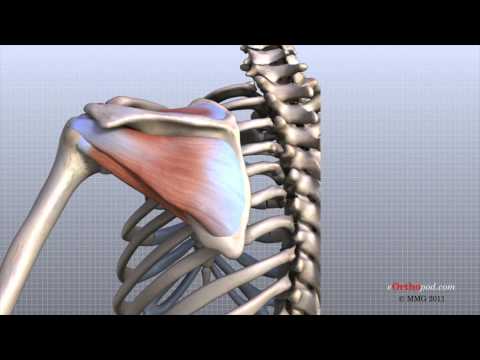
The shoulder joint itself is formed by three main bones: the humerus, which is your upper arm bone; the scapula, or shoulder blade; and the clavicle, which connects your arm to your body. All these parts are held together with ligaments that keep everything stable while still allowing for a lot of movement.
- The Rotator Cuff: This group of four muscles—supraspinatus, infraspinatus, teres minor, and subscapularis—is essential for shoulder motion. They help lift your arm and stabilize the joint.
- The Deltoid: This muscle is what gives your shoulder its rounded shape. It helps lift your arm up during activities like reaching or throwing.
- Serratus Anterior: A bit less known but super important! This muscle helps push your scapula forward against the rib cage. Ever tried doing a push-up? Yup, this guy plays a role there.
You follow me so far? Good! Now let’s talk about movement patterns. When you raise your arm overhead—like when you’re signaling for a taxi—your body isn’t just lifting an object; it’s orchestrating a beautiful dance among all those muscles.
For instance, when you lift your arm straight up:
- Your supraspinatus kicks in initially to start lifting.
- The deltoid takes over more as you go higher.
- Your scapula needs to rotate upward too; otherwise, you might find yourself short on space!
This brings me to something cool—synchronization! The way all these muscles collaborate ensures that not only do we have full range but also that we keep everything stable since stability is essential for injury prevention. If things go out of sync? Well… let’s just say it can lead to discomfort or injury down the line.
I remember once trying to reach for something high on a shelf without thinking about my shoulders—big mistake! I ended up straining something because I wasn’t using my muscles right. So yeah, knowing how these musculoskeletal systems work can really change how we approach even simple tasks!
A lot goes into making our shoulders work smoothly—from anatomy to kinetics and dynamics—and researchers keep diving deep into this field so we can understand better ways to avoid injuries and optimize performance whether you’re an athlete or just someone who likes to toss a ball around on weekends.
This whole realm is super fascinating because every little detail affects how we function day-to-day. So next time you raise an eyebrow—or an elbow—think about all those little muscles working behind the scenes!
Exploring the Muscles of the Shoulder Joint: Anatomy and Function in Human Physiology
So, let’s talk about your shoulder joint and the muscles that make it work. The shoulder is one of those amazing joints in our body. It’s super flexible, allowing you to lift, throw, and swing your arms in tons of directions. But what makes this possible? Well, it boils down to a few key muscles that really do all the heavy lifting—literally!
The Anatomy of the Shoulder Muscles
First off, the shoulder joint is made up of several important muscles. These are known as the rotator cuff muscles and they play a huge role in stabilizing your shoulder while allowing for movement. They include:
- Supraspinatus: This muscle helps lift your arm away from your body.
- Infraspinatus: This one assists with rotating your arm outwards.
- Teres Minor: Similar to the infraspinatus, it also helps with external rotation.
- Subscapularis: This muscle does the opposite—it helps rotate your arm inward.
Each of these muscles works like a part of a well-orchestrated team—without one of them, things could get a bit messy!
The Functionality Aspect
Now, what do these muscles actually do? Well, let’s break it down! The rotator cuff not only keeps the head of the humerus (that’s the big bone in your upper arm) securely in place within the shallow socket of your shoulder blade but also allows for an incredible range of motion. Seriously, you can raise your arms above your head or even reach back behind you because of this coordination.
One day I was at a friend’s birthday party when someone decided it was time for an impromptu game of catch. I’ve gotta say; nothing beats that feeling when you throw a perfect spiral! But then came that moment right after—I felt this weird twinge in my shoulder. Turns out I overextended and didn’t properly engage those rotator cuff muscles. Ouch! It reminded me how essential these little guys are for any kind of arm movement.
Biomechanics at Play
Now let’s chat about biomechanics—the science behind how these muscles work together to produce movement. Think about lifting something heavy. Your supraspinatus kicks in first to start raising your arm up; then those other rotator cuff muscles jump into action to maintain stability as you get that weight moving higher.
What happens if they’re weak or injured? You might notice pain or even limited movement. We’ve all seen someone trying to lift their hands but struggling when their shoulders aren’t cooperating. This is where injuries like rotator cuff tears can really mess things up!
The Importance of Strengthening
It’s not all doom and gloom though! Keeping these shoulder muscles strong is crucial for anyone who wants full mobility and less risk for injury—especially if you’re into sports or lifting weights regularly.
To keep them happy and healthy, simple exercises like external rotations with resistance bands can do wonders! Plus, stretching should never be overlooked since flexibility plays just as big a role.
So yeah, there you have it—the anatomy and function behind the awesome shoulders we take for granted every day! Keeping our rotator cuffs strong is essential because they hold everything together while allowing us to move freely through life’s adventures!
Understanding the 8 Movements of the Shoulder Joint: A Comprehensive Guide in Kinesiology
Sure thing! Let’s break down the fascinating world of shoulder movements in a way that’s easy to understand.
The shoulder joint is, like, one of the most mobile joints in your body. Seriously, it can do some wild stuff! It allows for a whole range of movements, which is essential for all sorts of activities, from throwing a ball to reaching for something on a high shelf. So, here’s the scoop on the **8 movements** you need to know.
1. Flexion
This is when you raise your arm forward and up. Imagine when you’re reaching out to grab something in front of you. Flexion happens primarily at the front of your shoulder joint.
2. Extension
Now think about swinging your arm back behind you. That’s extension! It often involves muscles like the latissimus dorsi and posterior deltoid doing their thing.
3. Abduction
Here’s where it gets interesting: abduction is all about moving your arm away from your body’s midline. Think of that moment when you’re stretching out on a beach towel at the lake—arms wide open!
4. Adduction
This is basically the opposite of abduction—bringing your arm back toward your body. Like when you’re getting cozy or giving someone a hug.
5. Internal Rotation
Ever tried tucking in your shirt while standing? That’s internal rotation! Your shoulder joint allows your upper arm to rotate toward your chest thanks to this movement.
6. External Rotation
This one’s a bit cooler because it opens things up: think about reaching behind you to grab something off the counter without turning around fully. External rotation lets that happen!
7. Circumduction
Okay, this one combines several movements—flexion, extension, abduction, and adduction—all in one smooth circular motion! Picture making circles with your arms while dancing or waving hello!
8. Scaption
Scaption sounds fancy but it just means lifting your arm at an angle between flexion and abduction—like when raising your hand in class but not straight up or out to the side.
These **movements** are possible because of various muscles working together around the shoulder joint, like the rotator cuff muscles that keep everything stable while allowing for flexibility.
So next time you throw a frisbee or lift something heavy, remember how incredible those eight shoulder movements really are! They’re what make our upper bodies so wonderfully functional and capable of all sorts of fun tasks—from lifting grocery bags to giving excited high-fives!
So, let’s chat a bit about the shoulder joint and its muscles. You know, when we think about movement, we often focus on the big stuff: running, jumping, maybe even lifting heavy things. But the shoulder? That little guy is like a superstar of motion. It’s pretty cool how much it can do—thanks to a whole team of muscles working together.
The shoulder joint is super unique because it’s a ball-and-socket joint. Imagine playing with a really loose ball in a cup—like, it can roll around in so many directions! That flexibility means you can reach up high to grab something from the top shelf or throw a frisbee with your friends. But this also makes the shoulder more prone to injuries, which totally stinks.
Now, here’s where biomechanics comes in. Basically, biomechanics is all about how our body moves and functions with forces acting on it. When we’re talking about the shoulder muscles—like the rotator cuff, deltoid, and others—they help stabilize and move that ball around in the socket while keeping everything from falling apart.
I remember one summer helping a friend move into their new place. We were loading up boxes into a truck, and I felt this weird twinge in my shoulder after reaching for that ridiculously heavy box that definitely wasn’t supposed to be lifted alone! That little twinge? Yeah, that was probably my rotator cuff getting stressed out from all the action—and believe me, I learned pretty quickly how important those muscles are!
So let’s break it down: The rotator cuff has four main muscles that help keep your arm stable while allowing you to lift and rotate it freely. They’re like little heroes swooping in when you need to toss that frisbee or get your shirt off without looking like an uncoordinated giraffe.
The deltoid muscle—which is what gives our shoulders their round shape—works hard too! When you raise your arm or push something away from you, that muscle kicks in big time. Think about all those times you’ve waved hello or reached for something behind you; that’s your deltoid showing off!
The thing that really gets me is how all of these muscles coordinate together like they’re having one big dance party inside your body! If one muscle isn’t doing its job quite right—or if you’ve overworked them during exercise—you could end up with some serious discomfort or limited range of motion.
Anyway, next time you throw a ball or high-five someone—and let me tell you those celebratory high-fives are important—think about those amazing muscles doing their thing behind the scenes. They might seem small compared to other parts of your body—but man oh man do they pack a punch when it comes to moving freely and keeping everything stable.
So yeah, understanding biomechanics gives us way more appreciation for what our bodies can do… especially something as intricate as the shoulder joint! Keep moving and stay aware of those little guys holding everything together!