You know that feeling when you trip over air? Yeah, I’ve been there. A little wobble, and suddenly you’re on the ground wondering how you even managed that. It’s kinda embarrassing, right? But here’s the thing: your ankle is doing a lot of heavy lifting, literally and figuratively!
The ankle joint isn’t just some boring piece of anatomy; it’s like the unsung hero of your body. Seriously! It’s what gets you moving and grooving, allowing for all those dance moves at parties—just don’t blame it if you take a tumble.
Ever wonder why some people seem to sprain their ankles all the time while others sprint through life with barely a hiccup? Well, that has to do with the way this little joint is built and how it works. So, buckle up as we stroll through the anatomy of the ankle joint and why it’s super important for everything from walking to running—and yes, even tripping over nothing!
Understanding the Functional Anatomy of the Ankle: A Comprehensive Guide in Biomechanics
The ankle is one of those joints that often gets overlooked until it, you know, starts acting up. You don’t realize just how much you rely on it until you trip and twist it. Let’s take a closer look at what makes this joint so important, shall we?
The Basics of Ankle Anatomy
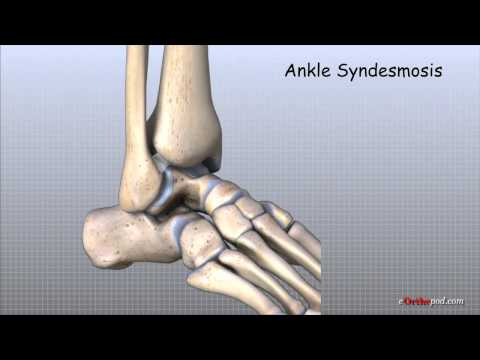
To start off, the ankle joint connects the leg to the foot and is made up of three main bones: the tibia (the larger bone in your lower leg), the fibula (the smaller one next to it), and the talus (a bone in your foot that sits right on top of your heel). These bones work together to form a hinge joint, which allows for movement but also supports weight.
Types of Movements
Now, here’s where it gets interesting. The ankle allows for several types of **movements**:
- Dorsiflexion—that’s when you point your toes up towards your shin.
- Plantarflexion—which is when you point your toes downward like when you’re pressing a gas pedal.
- Inversion—this happens when you tilt the sole of your foot inward.
- Eversion—this one tilts your sole outward.
These movements are super important for walking, running, and jumping. Picture yourself sprinting; each step relies heavily on how well your ankle can flex.
The Ligaments Hold It Together
And let’s not forget about the ligaments! These are strong bands of tissue that connect bones to other bones and help stabilize the ankle. There are two main groups:
- The Lateral ligaments, which are on the outer side, protect against excessive inversion.
- The Medial ligaments, located on the inner side, help with eversion control.
When you roll your ankle (ouch!), it’s usually these ligaments that take a beating.
Muscles That Power Your Ankle Movements
Now let’s talk about muscles because they’re what really give life to movement. Your calf muscles (gastrocnemius and soleus) play a big role here. When they contract, they pull on the Achilles tendon (which is attached to your heel) and allow for plantarflexion. You know when you’re going up on your toes? Yep, that’s those muscles doing their thing!
There are also other muscles in your lower leg like tibialis anterior that help with dorsiflexion—you can think of them as little helpers that execute precise movements.
The Importance of Balance and Proprioception
Ever notice how you can balance on one foot without falling over? That’s thanks to proprioception! It’s this amazing ability to sense where your body parts are without looking at them. This skill is crucial for keeping stability in activities like dancing or playing sports.
You might not realize it, but proprioceptors in tendons and muscles send signals to your brain about where everything is positioned. So if you’ve ever sprained an ankle before, you probably felt how tricky balance can be afterwards!
Your Ankle’s Role in Daily Life
Really, if you think about it, we rely heavily on our ankles every single day. Whether you’re standing still in line or climbing stairs at work—your ankles are working overtime! Athletes especially need strong ankles; they endure more stress due to high-impact activities.
So next time you stumble or feel sore after some serious walking around town—remember that it’s all part of this intricate system we call biomechanics. Your ankles may not get all the glory, but they sure do hold it all together! Isn’t that worth appreciating?
Exploring the Clinical Significance of the Ankle Joint in Biomedical Research
The ankle joint, you know, is one of those parts of our body that we often take for granted. It’s a bit like that reliable friend who always shows up when you need them. In the world of biomedical research, though, this joint is a star performer—seriously!
Anatomy Breakdown
At its core, the ankle join consists mainly of three bones: the tibia, fibula, and talus. These bones come together to create a hinge joint that allows for movement in multiple directions. The structure is reinforced by ligaments and tendons which also play a huge role in stability and mobility. Think of ligaments as the tough ropes holding everything in place.
- Tibia: This is the bigger bone in your lower leg, taking most of your weight.
- Fibula: The thinner bone next to it provides additional support.
- Talus: This is where all the action happens! It connects your foot to your leg.
What’s wild is how these parts work together. When you walk or run, for instance, they help absorb shock and distribute force effectively across your foot and leg.
Functional Significance
So why does all this matter? The functionality of the ankle isn’t just about walking or running; it’s crucial for balance too. If you think about it—every time you twist or pivot during a game or while dancing at a party—your ankle is doing some serious work!
This leads us to why researchers care so much about this joint:
- Injury Research: Ankle sprains are super common. Studying them helps figure out better treatment options.
- Disease Understanding: Conditions like arthritis can heavily impact ankle function. Research helps identify ways to manage symptoms.
- Prosthetics Development: As technology advances, bioengineers are exploring how artificial components can mimic natural movement!
I once sat with my friend who had twisted her ankle playing basketball—it was heartbreaking to see her in pain! Listening to her struggle reminded me just how vital our ankles are for basic activities and sports.
Biomechanics Insights
Researchers dig deep into the biomechanics behind ankle movements too. They study everything from how we push off when we run to how our weight shifts during various activities. By understanding these mechanics:
- Simplifying Rehabilitation: Creating tailored rehabilitation programs becomes way more effective.
- Athlete Performance: Athletes can fine-tune their techniques based on detailed biomechanical analyses.
And let’s not forget advancements in technology! With 3D modeling and motion capture systems being used more today than ever before, scientists can visualize every little detail—making it easier to spot issues before they become major problems.
In a nutshell, the ankle joint might seem small compared to other parts like hips or knees—but its clinical significance in biomedical research is nothing short of colossal! From enhancing recovery protocols to improving everyday mobility and athletic performance, we’re just scratching the surface here.
So next time you take a step—or even trip over something—just remember: your hardworking ankle plays a really big role in keeping you upright and moving!
Understanding the Seven Ankle Bones: Names, Functions, and Their Role in Human Anatomy
So, let’s talk about your ankles. They might seem simple, but there’s actually a lot going on down there! The human ankle consists of **seven small bones** that play a crucial role in how you move, walk, and even run. These bones are called the *tarsal bones*, and they form the foundation of your foot structure.
First up, we’ve got the **talus**, which is like the top dog of the ankle bones. It connects with your leg bones (the tibia and fibula) to create the ankle joint. It acts as a meeting point for these two important bones. You can think of it as a bridge between your leg and foot.
Then there’s the **calcaneus**, also known as the heel bone. It’s not just there to make you trip when you’re walking barefoot on a cold floor; it absorbs shock and supports your weight when you stand or walk.
Now let’s not forget about the **navicular** bone. It’s kind of boat-shaped (hence the name) and sits right in front of the talus. It helps with movement side-to-side when you’re walking or running.
Next up are three bones that work together called the **cuneiforms**: medial, intermediate, and lateral cuneiforms. They’re like little puzzle pieces that fit together at the base of your big toe, second toe, and third toe. These bad boys help stabilize your foot during movement.
And lastly, we have the **cuboid** bone sitting on the outer side of your foot near your little toe. It’s essential for maintaining balance while you walk or run.
So to recap what these seven ankle bones do:
- Talus: Connects leg to foot; main mover.
- Calcaneus: Absorbs shock; heel support.
- Navicular: Helps in side-to-side movement.
- Cuneiforms: Stabilize big toe area during movement.
- Cuboid: Balance support for outer foot.
These bones work together to create motions like flexing or pointing your toes—the motions we often take for granted! Plus, remember how many times you’ve twisted or rolled an ankle? The design is genius but can be delicate too! A sprain or fracture in any of these bones can seriously mess with how well you get around.
Each bone has its own specific role yet relies heavily on each other to function smoothly—kinda like those friends in a group project where everyone has their strength! So next time you’re out running errands or going for a jog, spare a thought for those little guys holding everything up down there!
So, let’s chat about the ankle joint. You know, that thing we tend to take for granted until we twist it on our morning jog or trip over flat surfaces? Yeah, that one. The ankle is more than just a connection between your foot and leg; it’s a super cool structure that plays a big role in how we move.
Picture this: you’re playing basketball with friends, and you go for that epic jump shot. Everything feels great until you land awkwardly. Ouch! That sudden jolt can be a wake-up call. You start to realize just how vital the ankle is for balance and agility. It’s not just about looking good in sneakers; it’s about staying functional!
Now, let’s break down what makes up this joint. The ankle is mainly made of three bones: the tibia, fibula, and talus. They all come together like old buddies at a reunion. And guess what? They’re held together by tough ligaments that keep things stable while allowing flexibility for movement—like a reliable friend who supports you but also encourages you to loosen up.
What’s really neat is how the ankle adapts to different movements. Whether you’re running, jumping, or even walking on uneven ground, it can handle all sorts of stress and strain thanks to its design. This adaptability is crucial because life isn’t always smooth sailing—you could be sprinting down a hill one minute and navigating rocky terrain the next.
But here’s where it gets a little deeper—literally! The muscles around the ankle contribute significantly to its functionality too. For example, those little calf muscles, they help control how your foot moves up and down. Ever notice how when you climb stairs or push off while running, those muscles are working hard? That’s them showing off their strength!
Having strong ankles means better balance and stability overall—it helps prevent injuries during sports or just everyday activities like walking or dancing (yes, dancing counts!). So every time you think about strengthening your ankles—like doing some simple exercises—you’re not just thinking about preventing injuries; you’re investing in your future mobility.
In a way, taking care of your ankles is like nurturing friendships—they need attention! Stretching, strengthening exercises, even wearing proper shoes can help keep them healthy and happy.
So next time you slip on those shoes or lace up for an adventure outside, give a nod to your ankles for all they do behind the scenes. They might not always get credit (or be noticeable), but boy they sure play an essential role in keeping us on our feet—literally!