You know that moment when you try to open a jar, and your thumb just doesn’t cooperate? It’s like, come on, buddy, do your job! You probably don’t think about it much, but our thumbs are pretty amazing little guys.
Seriously though, they’re super important for almost everything we do. From gripping a coffee cup to giving a thumbs-up (which is basically the universal sign of approval), the thumb joint plays a key role in our daily lives.
Let’s take a closer look at this unsung hero—our thumb joint. You’ll be surprised at how much is going on in there! Plus, understanding its anatomy can help you appreciate all those awkward thumbs-up selfies you’ve taken over the years!
Understanding Arthritis Pain in the Thumb Joint: Symptoms, Sensations, and Scientific Insights
Alright, let’s get into the whole world of thumb joint arthritis. It may sound a bit technical at first, but stick with me and we’ll break it down.
First off, the thumb joint, also known as the carpometacarpal (CMC) joint, is super important. It’s that spot where your thumb meets your wrist. This little joint is what lets you do all sorts of things—like grasp a cup or wave hello. When this joint gets hit with arthritis, things can get pretty uncomfortable.
Now, arthritis is basically when there’s inflammation in the joints. With the thumb joint, you might feel:
- Pain: This usually strikes when you’re trying to use your hand for everyday stuff. Think about opening jars or even holding a pen.
- Soreness: Even just resting can feel weird sometimes. It’s that annoying ache that just won’t go away.
- Swelling: Your thumb might look puffed up or feel tender to touch.
- Stiffness: You might notice it’s hard to bend or stretch your thumb like you used to.
- Grating sensation: Ever felt like your thumb is crunching? That’s possibly from bones rubbing against each other due to cartilage loss.
This can seriously impact how you move, because let’s face it—our thumbs are pretty crucial for everything! I remember when my friend had trouble even texting because her thumb hurt so much! Just imagine being unable to do something as simple as sending a message!
The symptoms usually develop slowly over time and can vary from person to person—you know? Some may have mild discomfort while others are in more pain on a daily basis. It often gets worse with activities that require gripping or pinching motions.
If you’re curious about why this happens scientifically, let’s get into that a bit too! Our thumbs rely on cartilage—a smooth tissue—that helps reduce friction between bones in joints. With arthritis, this cartilage starts to break down and wear away over time; we’re talking like years of wear and tear, which leads to bone-on-bone contact that triggers pain and inflammation.
So basically, if you’re feeling those unpleasant sensations in your thumb joint, know you’re not alone! There are ways folks manage their symptoms—from physical therapy and exercises designed to strengthen muscles around the joint, to using splints for extra support during day-to-day activities.
The bottom line here? While arthritic pain in the thumb joint isn’t any fun game—it can be managed! Listening to your body and keeping tabs on what works best for you is key. And if things get too tricky? A healthcare professional can help find ways for relief!
The Biomechanics of the Thumb: Exploring the Relationship Between Structure and Function in Human Anatomy
The thumb is one of those small wonders in our hands that makes a huge difference in how we interact with the world. You ever thought about how tricky it would be to text or hold a coffee cup without it? The relationship between the **structure** and **function** of the thumb is fascinating.
First off, let’s break down the anatomy a bit. The thumb has two main joints: the **metacarpophalangeal joint (MCP)** and the **interphalangeal joint (IP)**. The MCP is where your thumb meets your hand, and it’s responsible for giving you a ton of movement. Then, there’s that little joint at the tip of your thumb—the IP—that lets you bend your thumb at the end. Pretty neat, right?
Now, what makes these joints so special? It’s all about how they’re built! The MCP joint is a **saddle joint**, which means it allows movement in two different planes: you can flex and extend it, but also move it side to side. This unique structure lets you grip objects in a way that’s super effective for grabbing and holding things tightly—like that juicy apple from the market.
Another key player here is the **ligaments** around these joints. They provide stability while still allowing for flexibility—kind of like having strong supports on a swing set that still lets it sway back and forth. And don’t forget about tendons! They connect muscles to bones and are essential for moving your thumb. When you want to pick up something, muscles in your forearm contract via these tendons, pulling on bones to make movement happen.
Now let’s talk about function. Ever tried pinching something between your fingers? That’s called an *opposition*. It’s when your thumb comes across your palm to meet other fingers—like when you’re grabbing a pen or holding onto someone’s hand. This ability is crucial for many daily tasks.
Also, think about gripping larger objects—like holding onto a basketball or even just lifting a bag of groceries. Your thumb helps create what’s known as an *opposable grip*, giving us such control over our hands that most other animals just can’t do!
In terms of biomechanics, every time you move your thumbs—say for texting or playing guitar—you are using multiple muscles working together smoothly. It’s like an orchestra where each musician plays their part perfectly coordinated to create beautiful music!
Sometimes I think back to learning how to write my name as a kid; I remember struggling with pencil control at times until my fingers found their groove—and my thumbs played such an important role there!
So yeah, when we explore all this detail about our thumbs, it’s clear they’re not just another finger—they’re vital tools for making our lives easier and more connected with everything around us!
Exploring the Anatomy and Function of the Thumb Joint in Human Movement and Neuroscience
Alright, let’s talk about that little powerhouse we call the thumb joint. You might not think much of it when you’re typing away or grabbing a snack, but the thumb is like the superstar of human movement. Seriously! This tiny appendage plays a huge role in how we interact with the world.
First off, let’s break down the anatomy. The thumb joint—or more technically, the carpometacarpal joint (or CMC for short)—is where your thumb meets your hand. It’s located at the base of your thumb and allows for some pretty nifty movements. Because it’s a saddle joint, it lets your thumb move in multiple directions. This is what makes it so versatile.
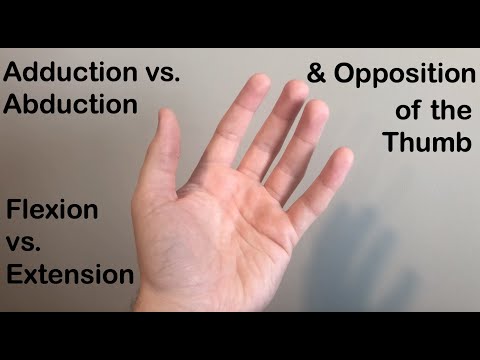
- Flexion and extension: Think about how you can bend your thumb towards your palm or straighten it out again. This motion is super important for grasping objects and making different hand gestures.
- Abduction and adduction: These terms sound fancy, but they just mean moving your thumb away from or back towards your fingers. This ability enables you to pinch and hold things tightly.
The way all these movements come together makes what’s called an “opposition.” It sounds dramatic, but opposition is just when your thumb can touch the tips of your fingers! Imagine trying to pick up small items like coins or buttons without this skill—yeah, it’d be pretty clumsy.
But wait! There’s more to consider: the nerves and muscles. Your thumb doesn’t work alone; it’s controlled by several muscles that allow it to move smoothly and with strength. The main muscle responsible for moving the thumb is called the opponens pollicis—yes, it has a cool name! And guess what? The brain controls these muscles through complex neural pathways in our nervous system.
This brings us to neuroscience, which studies how our brains communicate with our bodies. When you decide to pick up something with your thumb, signals travel from neurons in your brain down through nerves all the way to those muscles I mentioned earlier. It’s like an amazing relay race happening in milliseconds!
- Sensory feedback: Your brain also gets information back from those fingertip nerves about how much pressure you’re applying or if you’re holding something slippery.
- Cortical representation: Did you know different parts of your brain control different body parts? There’s even a region specifically dedicated to fingers and thumbs called the sensory motor cortex!
A little story here: one day I accidentally dropped my favorite coffee mug (the one with all my inside jokes printed on it). In that split second before it hit the ground—my brain sent signals faster than lightning! My reflexes kicked in; my thumbs shot forward as I lunged for it. It was kind of heroic until I realized that coffee was now everywhere!
This whole process—the structure of our thumb joint combined with how our nervous system works—is what allows us humans to be so dexterous compared to other animals. Bipedal primates like us rely on this skill to create tools, write notes, play instruments—you name it!
The next time you’ve got something pinched between your fingers or you’re texting away on your phone, take a moment to appreciate all that goes into using that little wonder known as the thumb joint! It really is a marvel of anatomy working hand-in-hand (no pun intended) with neuroscience to make everyday life easier and more functional.
You know, when you think about it, thumbs are pretty underrated. I mean, we don’t often stop to appreciate the crazy amount of work they do every single day. Just picture yourself reaching for your phone or gripping a coffee mug. Your thumb swings into action without you even realizing it!
The anatomy of the thumb joint is fascinating too—seriously. Our thumbs have this special joint called a carpometacarpal (or CMC for short) joint that lets it move in ways other fingers just can’t. It’s kind of like a ball-and-socket but way cooler because it allows for more flexibility. That’s why we can pinch, grab, and do all sorts of intricate tasks that require fine motor skills.
When I was younger, I remember trying to play the guitar. At first, my thumb felt like this clunky appendage that just couldn’t figure out what to do with itself while my fingers danced across the strings. What a struggle! But as I practiced more and learned how essential my thumb was for holding chords and strumming, it started making sense—my thumb wasn’t just there for show; it was key to everything I wanted to achieve musically.
So anyway, that unique design of our thumbs is what gives us an edge over most animals when it comes to gripping things and using tools. This opposability—yeah, that’s what they call it—really changed the game for humans! Imagine trying to use a smartphone or text without being able to use your thumbs effectively; it’d be like trying to write with your toes!
In terms of movement, our ability to move our thumbs across different planes really helps us with everyday tasks and activities. When you’re reaching out or pointing at something? Totally thanks to that magical little joint. And let’s not forget about how important thumbs are for sports too! Think about basketball players gripping their balls or rock climbers using their hands in tricky spots.
It all boils down to one small part of our body having this big impact on how we interact with the world around us. So next time you give a thumbs-up or use them in some creative way, just take a moment and appreciate that complex architecture working behind the scenes—it sure makes life easier!