Did you know that your arm has more than just bones and muscles? It’s like a super cool, intricate machine. Seriously!
Think about all the stuff you do with your arms every day. Like, when you reach for that last slice of pizza or wave to a friend across the street. Your upper limbs are amazing, right?
They’re not just there for decoration; they help us express ourselves and connect with the world. When you throw a ball or high-five someone, it’s all thanks to this incredible system working together.
So let’s take a closer look at what makes our arms tick. From those funky joints to those powerful muscles, there’s so much happening under the surface that you might not even realize!
Comprehensive Upper Limb Anatomy PDF: A Detailed Resource for Anatomical Study in the Field of Science
When it comes to understanding how our arms work, diving into the anatomy of the upper limb can be super enlightening. The upper limb not only helps us grab that remote on the couch but also plays a major role in complex movements and functions.
Anatomy of the Arm
The upper limb consists of several key parts: the shoulder, arm, forearm, and hand. Each section has its own specific bones, muscles, and nerves that make it function. Let’s break this down a bit:
- The Shoulder: This includes the clavicle (collarbone) and scapula (shoulder blade). These bones create a stable base from which your arm can move.
- The Arm: Known as the humerus, this bone runs from your shoulder down to your elbow. It’s key for supporting various movements like lifting and throwing.
- The Forearm: Made up of two bones—the radius (on the thumb side) and ulna (on the pinky side). They allow for rotation of your wrist and hand!
- The Hand: It’s pretty complex! Comprised of multiple small bones called carpals, metacarpals, and phalanges. These enable fine motor skills like writing or pinching.
Each part works together smoothly to let you perform everyday actions without thinking twice about it. Isn’t that cool?
Muscles at Play
The muscles in your upper limb are responsible for all those actions we take for granted. For instance:
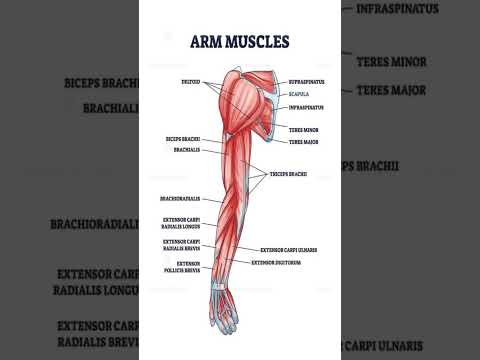
- Biceps Brachii: Located in the front of your upper arm, this muscle helps flex your elbow—think about curling weights!
- Triceps Brachii: Found at the back of your arm; it straightens your elbow when you push something away.
- Wrist Flexors/Extensors: These muscles control wrist movement; they’re essential for gripping or releasing objects.
You know that moment when you reach out to catch a ball? That’s a whole teamwork effort among those muscles working together!
Nerves Making It Happen
You can’t forget about nerves! They’re like communication lines that send signals from your brain to different parts of your arm. The brachial plexus is a major network involved here. If you’ve ever felt that tingling sensation after hitting “funny bone” at your elbow, you’ve felt nerve activity first-hand!
This network branches into multiple nerves that control sensation and movement in your hand and fingers. Pretty vital stuff since even minor issues with these nerves can affect how well you use your arm!!
A Quick Thought: Imagine trying to pick up something heavy after an injury—you’d suddenly realize how much we depend on our limbs working harmoniously.
This knowledge isn’t just academic; it’s practical! Whether you’re studying medicine or just curious about how bodies move—understanding upper limb anatomy gives insights into human motion that apply across many fields.
If you’re really keen on delving deeper into this subject, resources like comprehensive PDFs filled with diagrams, detailed descriptions might just become invaluable tools on this anatomical journey!
Exploring the Anatomy and Function of the Lower Limb in Biomedical Science
Sure! Let’s chat about the fascinating world of the lower limb—how it’s built and what it does. Seriously, our legs are like these incredible machines that make us move around, dance, or just chill.
The lower limb is made up of bones, muscles, tendons, ligaments, and nerves. Think of it as a well-coordinated team working together to help you stand up, walk, run, or kick a soccer ball. That teamwork is essential for all sorts of activities in our daily lives.
To break it down a bit:
- Bones: The lower limb has several key bones including the femur (thigh bone), patella (knee cap), tibia (shin bone), and fibula. The femur is actually the longest bone in your body!
- Muscles: Your leg muscles are categorized into groups: quadriceps, hamstrings, calves, and others that help you bend and straighten your knee or lift your foot.
- Tendons & Ligaments: Tendons connect muscle to bone while ligaments connect bone to bone. They’re like the glue keeping everything together without falling apart.
- Nerves: Nerves in the lower limb control movements and send signals to your brain about touch and pain. If you’ve ever stubbed your toe, you know how quickly those signals travel!
Now let’s talk about function! So, what do these limbs actually do? Well…
First off, they support our weight. Without strong bones and muscles down there, standing would be a big challenge! Each time you take a step or jump around—your body relies on proper alignment of these components to function effectively.
Then there’s locomotion. Whether you’re walking calmly through a park or sprinting away from an angry bee (let’s be real; it happens), your legs allow for different forms of movement. It’s pretty amazing how our brain coordinates all that without us even thinking about it!
Now let’s mix in some anatomy here—our knees bend primarily due to muscle action around them. When you want to kick something—like when my friend accidentally kicked his shoe off trying to show off on the field—the quadriceps contract first while stabilizing those knees.
And what about balance? The lower limb’s anatomy, including the arches in our feet and their flexibility adds a lot to how we stabilize ourselves when we’re walking on uneven ground or balancing on one leg at yoga class!
But here’s where it gets personal for me: I remember trying out skateboarding for the first time as a kid—I wiped out a lot but my legs worked hard to keep me upright as I learned how not to fall flat on my face! That experience shows just how crucial our lower limbs are in everyday adventures.
So yeah, next time you’re moving about—from simply walking through your door to running after that bus—think of all this amazing teamwork happening within your own body. It’s pretty wild when you realize just how much work goes into each little movement!
Comprehensive Guide to Upper Limb Muscles: Downloadable PDF Resource for Anatomical Study
The upper limb is a fascinating part of our body, you know? It’s like this intricate machine designed to do all sorts of amazing things. From swinging a racket to simply waving at a friend, our upper limbs are essential for movement and function. So, let’s break down the muscles that make all this happen.
Muscles of the Upper Limb
First off, there are two major groups of muscles in the upper limb: the **shoulder muscles** and the **arm muscles**. Both groups work together to give us strength and flexibility.
Shoulder Muscles
These muscles help move your arm and stabilize your shoulder joint. The four main rotator cuff muscles—supraspinatus, infraspinatus, teres minor, and subscapularis—are super important here. They keep the head of your humerus (that’s your upper arm bone) snug in the shoulder socket.
– The **deltoid** muscle is also crucial. It gives your shoulder its rounded shape and allows you to lift your arm away from your body.
– There’s also the **pectoralis major**, which helps with moving your arms forward and across your chest—like when you hug someone!
Arm Muscles
Now let’s talk about the arm! The main players here are:
– The **biceps brachii**, known for its bulge when you flex. It helps you lift things by bending your elbow.
– Then there’s the **triceps brachii**, located at the back of your arm. This muscle straightens your elbow when you’re pushing something away or doing push-ups.
Both these muscle groups work around another key area: the elbow joint! When you move one part, it influences others.
Forearm Muscles
Moving down to the forearm—it has a ton of tiny muscles responsible for wrist movements and finger motions:
– These include flexors that help bend your wrist and open your hand,
– And extensors that do just the opposite! They allow you to straighten out everything again.
So think about how you’d grip a cup or type on a keyboard—those small movements rely heavily on these forearm muscles working harmoniously together!
Functionality
What’s truly mind-blowing is how all these muscles connect with nerves. For instance, if you’ve ever hit your funny bone (ouch!), you’ll know exactly how quick sensations can travel through those nerves—incredibly fast!
Also, coordination between these muscular groups lets us perform complex actions like throwing a ball or playing an instrument. If one muscle doesn’t work right, guess what? Your whole movement can feel off!
In summary, understanding upper limb anatomy isn’t just about knowing muscle names; it dives deeper into how our bodies function every day. It’s about appreciating that intricate balance that lets us express ourselves through motion—whether dancing at parties or simply reaching for something on a shelf.
Take some time to visualize those different muscle actions next time you’re moving around. It adds depth to our daily activities—making them feel even more remarkable than they already are! So next time you’re waving goodbye or lifting something heavy, think about all those hardworking little guys working behind the scenes!
You know, there’s something pretty amazing about the way our arms and hands work. It’s not just about having these limbs that can wave hello or carry groceries; it’s like a complex orchestra of bones, muscles, and nerves perfectly tuned to give us incredible dexterity and strength.
Let me tell you a little story. A few years back, I was at a friend’s barbecue. We were trying to toss a frisbee around, and I realized just how challenging it was to throw the thing accurately without sending it spiraling off into the neighbor’s yard! It’s wild how much coordination and muscle control go into a simple throw. In those moments, I became acutely aware of my upper limb anatomy—like my rotator cuff was just begging for some kind words after all that overexertion.
So let’s break it down. Your upper limb basically consists of the shoulder, arm, forearm, wrist, and hand—all linked by this glorious network of joints that allow for all those intricate movements we take for granted. The shoulder joint is super flexible but also kinda vulnerable because we really push its limits when we reach up for that last slice of pizza or try to pull off an epic high-five.
Then there are these bones: the humerus in your upper arm is the main guy here, connecting with two smaller ones in your forearm—the radius and ulna. Think of them as partners in crime; they work together to allow rotation of your wrist so you can twist that soda cap open with ease. Muscles like biceps and triceps are essential too—not just for showing off when you flex but for lifting stuff up and down smoothly.
Nerves play their part as well! They’re the communication highway that sends signals from your brain to your muscles so you don’t accidentally knock over that precious family heirloom while reaching across the table. Can you imagine that happening? Yikes!
What really gets me is how every little thing works together seamlessly. Even when you’re writing or playing an instrument like guitar (which seems impossible at times), it’s all thanks to this mind-blowing design of our anatomy. Each finger has its own unique set of muscles and tendons creating this delicate balance between strength and sensitivity.
When I think about it more deeply, it’s not just biology; it’s like art in motion! Every time we reach out to shake hands or hug someone, we’re engaging in a dance that’s been finely honed through millions of years of evolution—and man, isn’t that something worth appreciating? So next time you’re doing something simple with your arms—like waving goodbye—remember there’s a whole world working behind those movements!