You ever try to do the chicken dance at a wedding and realize your knees just aren’t cooperating?
Yeah, joints can be pretty tricky little things sometimes! They’re like the unsung heroes of our bodies, quietly doing all the heavy lifting while we wiggle and jiggle around without a second thought.
So, here’s the scoop: joints are way more than just those things that let you bend and twist. They’re actually the foundation of human movement. Without them, well, you’d be about as graceful as a giraffe on roller skates!
Let’s take a chill moment to break down what makes these amazing structures tick. You might even find out how they keep us dancing—at least until we hit that dreaded age where we start complaining about our backs!
Understanding Joint Anatomy: Functions and Significance in Human Biology
Alright, let’s talk about joint anatomy. Joints are like the hinges on a door, helping our bodies move. Without them, how would we bend our knees or wave hello? Understanding how joints work is super important for grasping how we function as human beings.
First up, let’s break down what joints actually are. In simple terms, they’re where two or more bones meet. There are different types of joints, and they all have unique jobs:
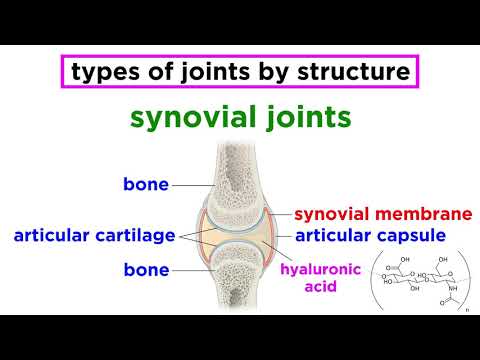
- Synovial Joints: These are the most common and mobile ones. Think about your knees and elbows. They allow for a lot of movement!
- Cartilaginous Joints: These joints are less flexible and include those between your vertebrae. They help maintain stability while allowing slight movements.
- Fibrous Joints: Found in places like your skull, these joints do not allow any movement at all! They keep everything tightly sealed together.
You follow me? Now, let’s dig into why these joints matter so much. Each type of joint serves a purpose that keeps our body working smoothly:
- Movement: Joints give you the ability to walk, run, dance—basically do anything physical!
- Support: They keep your skeleton sturdy and help maintain posture. Ever tried standing straight without your knees locked? It’s tricky!
- Cushioning: Most joints have cartilage that acts like a shock absorber. This helps reduce wear and tear on the bones during activities.
I remember spraining my ankle once during a soccer match—man, that was painful! It made me realize just how crucial those little connectors really are. Without healthy joints, even the simplest movements can become difficult or impossible.
The fluid surrounding synovial joints is another key player in joint function. This synovial fluid, like oil in an engine, lubricates and nourishes the cartilage keeping it strong and healthy. Not only does it reduce friction but it also helps in distributing forces across the joint when you’re moving around.
You know what else is interesting? Aging can affect our joint health significantly; think arthritis or wear-and-tear from years of activity. Keeping those joints happy with movement—and not just sitting around—is vital for long-term health.
If you take care of your body with exercise and proper nutrition—like staying hydrated—you can help maintain good joint function throughout your life! That means stretching before workouts or just getting up every hour if you’re glued to a chair while studying or working.
In short, understanding joint anatomy is way more than just memorizing bone names; it’s all about appreciating how our bodies work together to navigate life—one step at a time!
Exploring Human Body Joints: Types, Functions, and Movement Mechanics in Anatomy
So, let’s talk about joints. These are the spots in your body where two or more bones come together. Think of them like the hinges on a door. Without them, you’d just be a bunch of bones tangled together!
Now, there are several types of joints in the human body. Here’s a quick breakdown:
- Fibrous Joints: These are pretty much immovable. They’re like the glue that holds your skull bones together. You know how when you were a kid and you tried to wiggle your head? Yeah, don’t try that after learning this!
- Cartilaginous Joints: These allow for some movement but not too much—think of them as joints with a soft cushion in between bones. An example is your spine; those little discs in there help you bend and twist.
- Synovial Joints: Now we’re talking! These are the most common joints and they’re super movable. They have special features like a synovial cavity filled with fluid (which sounds fancy, right?), helping to keep everything smooth and functional.
Let’s dig deeper into synovial joints because they’re really interesting! You’ve got different types here too:
- Hinge Joints: Like your elbow or knee—think of how a door swings open.
- Ball-and-Socket Joints: Your shoulder and hip joints allow rotation; they’re like having an ice cream scoop of bone that fits into a cupped socket.
- Pivot Joints: You can twist things around, kind of like turning a doorknob. Your neck has these to let you turn your head from side to side.
- Saddle Joints: Your thumbs are special here; they can move back-and-forth and up-and-down, giving you that grip we all take for granted.
- Ellipsoid Joints: Like your wrist—these allow movement but not rotation.
- Gliding Joints: Found between the small bones in your hands and feet, allowing them to slide past each other smoothly.
Now, what do these joints actually do? Well, they allow for movement! When muscles pull on bones across these joints, it creates motion—and without them functioning correctly, we’d pretty much be stuck.
Think about playing soccer or just running around with friends. All those fancy footwork moves? That’s all happening thanks to those nimble synovial joints working their magic! They enable bending, twisting, stretching, and everything in between.
Oh—and if you’ve ever tried to open a jar that’s just being stubborn… trust me when I say: it’s all about those joint mechanics too! Your body’s ability to move efficiently relies heavily on how well these parts work together.
So yeah, our bodies might seem simple at first glance—but once you start peeling back those layers of anatomy, it gets really exciting! Every joint has its purpose and contributes significantly to how we live our lives every day.
Exploring the Function of Joint Movement: Insights from Biomechanics and Physiology
Alright, so let’s talk about joint movement! It’s pretty wild how our bodies work, right? When you think about it, joints are like the hinges on a door; they allow us to move in different ways. But what’s going on behind the scenes? That’s where biomechanics and physiology come into play.
First off, let’s break down joint anatomy. Joints connect bones and allow for movement. There are various types of joints: some let you move freely, like your shoulders and hips, while others have limited movement, like your knees. Each joint has a cool setup made of cartilage that cushions them, synovial fluid that lubricates them, and ligaments that keep everything stable.
Now onto biomechanics. This is where the magic happens. Think of biomechanics as the science of movement. It studies how muscles, bones, tendons, and ligaments work together to produce motion. For example, when you bend your elbow to bring a spoonful of cereal to your mouth (yum), your biceps contract pulling on the forearm bones. Pretty neat! This whole process relies on an intricate balance between forces acting on your joints.
Speaking of forces – ever heard of torque? It’s basically just a fancy way of talking about rotational force around a joint. Picture this: when you’re trying to do a pull-up, you’re applying torque at your shoulder joints. It helps in lifting yourself up against gravity. If those muscles aren’t working together nicely—well, good luck getting over that bar!
Now let’s sprinkle in a bit about physiology. This field looks at how our body systems function in relation to movement. Muscles contract based on electrical signals from nerves—like when your brain tells you to kick a soccer ball! When you exercise or use those joints regularly, it keeps not just muscles but also bones healthy through something called “mechanical loading.” That means putting stress on bones helps them stay strong.
An important aspect to remember is that injuries can happen if we don’t take care of our joints. Overdoing things without proper technique can lead to stuff like tendonitis or even arthritis down the line! So treating our bodies well with warm-ups and cool-downs as well as strengthening exercises is crucial.
The bottom line? Understanding how our joints function through biomechanics and physiology not only gives us insight into human movement but also helps us stay healthy over time. First-rate joint health means more active adventures without worrying about wear and tear!
So next time you’re moving around—maybe dancing or even just stretching—remember all those tiny processes happening within each joint creating smooth motion: it’s truly amazing!
Alright, let’s chat about joints! You know, those amazing connections between bones that let us move around in all sorts of ways. Ever thought about how incredible it is that you can bend your arm, spin your shoulder, or wiggle your toes? Joint anatomy is really something to appreciate—it’s like the backbone of our movement and function.
So, joints come in different types: there are hinge joints (like your elbows and knees), ball-and-socket joints (think of your shoulders and hips), and more. Each one has its own little job to do. Hinge joints let you flex and extend, while ball-and-socket joints give you that full range of motion—like when you throw a ball or reach for something high up. It’s kind of wild when you think about how much we depend on these structures every single day!
I remember a time when I twisted my ankle playing soccer—ugh, that was frustrating! At first, I couldn’t walk without pain. It really hit me then just how much I took for granted my ability to run or even just stand on two feet. It’s funny how we often don’t realize these things until they’re not working so well anymore.
Now, let’s talk about cartilage for a sec! It’s this smooth tissue that covers the ends of bones at the joint. Basically, it acts like a cushion. When you jump or run, cartilage is what helps absorb the shock so your bones don’t bash into each other—super important stuff! Over time though, wear and tear can happen; that’s why folks sometimes deal with joint pain as they age.
And here’s where it gets interesting: movement isn’t just physical; it can also be super emotional. Think about dancing—it’s not just moving your body but expressing yourself too! Joints allow you to groove and show off some personality through movement.
So yeah, every time you get up from a chair or challenge someone to a race (after warming up first!), remember those little joints working hard behind the scenes. They’re pretty much unsung heroes in our daily lives—without them, we’d be pretty stuck! And honestly, appreciating them might motivate us to take better care of our bodies too; stretching and staying active can go a long way in keeping those joints happy.
In short, joint anatomy is not just about how we move but also how we connect with life itself! So next time you’re getting active or even just chilling on the couch, give those joints a little nod of thanks—they deserve it!