You know that moment when you’re playing soccer and you go for that perfect kick, but instead, your knee just decides to betray you? Oof! Yeah, I’ve been there. It’s like your knee just waved a little white flag.
But what actually happens in there? I mean, the knee joint is like a superhero in our bodies, helping us walk, run, and jump. And we hardly ever think about it until something goes wrong. Seriously!
Knee tendons play a huge part in keeping all that movement smooth and pain-free. You’ve got some pretty nifty anatomy working under the surface that deserves a little spotlight. So let’s break down what’s happening with those tendons and why they matter so much for your joint action!
Understanding the Role of Tendons in Knee Joint Function: A Scientific Perspective
Alright, so let’s talk about tendons and their role in the knee joint. These structures are like the rubber bands of your body. They connect muscles to bones, allowing your body to move smoothly. But they do a whole lot more than just that, especially in your knees.
The knee joint is made up of several components: bones, cartilage, ligaments, and tendons. The tendons in the knee area are primarily responsible for transferring the force from muscles to bones during movement. For instance, when you want to kick a ball, your quadriceps muscle contracts and pulls on the quadriceps tendon, which then pulls on the kneecap (patella). This action helps extend your leg.
Now, let’s break it down a bit further:
- Tendons assist movement: They help execute various activities like walking, running, or jumping by facilitating smooth transitions between muscle contractions and bone movements.
- Stability: Tendons also help stabilize the knee by keeping everything in place. They prevent dislocation and provide support during high-impact activities.
- Shock absorption: When you run or jump, tendons can absorb some of that impact. Think of them as shock absorbers that ease stress on your joints.
You might be thinking about how active we are every day—going up stairs or playing sports—all this relies heavily on our knee tendons doing their job properly.
This reminds me of a time back in school when I sprained my knee during soccer practice. Ouch! I learned pretty quickly how much I took those little tendons for granted. Just one tiny injury made everyday things like walking up a hill feel like climbing a mountain!
The most well-known tendons around the knee include:
- PATELLAR TENDON: This links your kneecap to the shinbone (tibia) and is crucial for leg extension.
- QUADRICEPS TENDON: This connects the quadriceps muscle at the front of your thigh to your kneecap.
- A CHAIN OF MUSCLES AND TENDONS: Various other muscles around the hip and thigh also play roles through their respective tendons to affect how well your knees function.
If any of these tendons get injured—from overuse or strain—it can lead to pain or instability in the entire joint. That’s why taking care of those tendons is super important—they’re kind of unsung heroes!
Tendinitis, for example—inflammation of a tendon—can make moving around really painful. It often occurs from repetitive activities or sudden increases in physical activity without proper conditioning. Remember that time I got sidelined because my knees weren’t ready for all those soccer practices? Yeah…not fun!
I’d say if you’re into sports—or really just want healthy knees—keeping those tendons strong with proper stretching and strengthening exercises is essential. You follow me?
The takeaway here is simple: whether you’re sprinting down a field or just walking around, those little tendons are helping keep everything working smoothly behind the scenes! So next time you think about your knees, give a nod of appreciation to those hardworking tendons doing their thing!
Understanding the Functions of ACL, PCL, MCL, and LCL: Key Structures in Knee Joint Anatomy
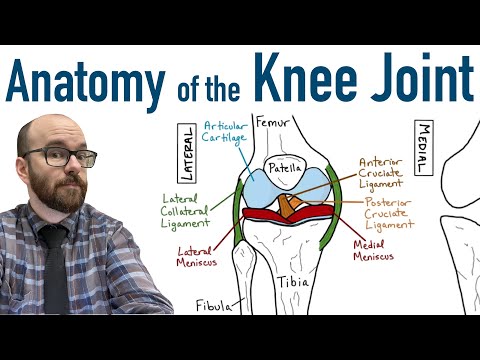
The knee joint is like the superstar of our body’s joints. It’s not just about bending or straightening; there’s a whole lot going on under the hood. The knee has a few key players: the ACL (anterior cruciate ligament), PCL (posterior cruciate ligament), MCL (medial collateral ligament), and LCL (lateral collateral ligament). Let’s break these down a bit.
ACL: This one’s super important for stability. Imagine your knee is a door, and the ACL is like the hinge that keeps it from swinging wildly. When you pivot, twist, or jump, your ACL works hard to keep everything in check. If you’ve ever heard of someone tearing their ACL while playing sports, well, that’s no joke—it can seriously mess up your game!
PCL: Now, think of the PCL as its partner in crime. While the ACL prevents your shinbone from sliding too far forward, the PCL does the opposite—keeping it from moving too far back. It’s like having a buddy who watches your back while you’re busy with life.
MCL: The MCL runs along the inside of your knee and prevents sideways movements. Picture trying to do a cartwheel without any support—that’s what happens if your MCL isn’t doing its job! It’s crucial for keeping your knee stable when you’re moving side to side or taking sharp turns.
LCL: On the flip side, we’ve got the LCL on the outside of your knee. This one helps stabilize against lateral forces—think of it like a protective barrier when you’re sprinting or changing directions quickly. Without it, you’d be risking all sorts of injuries just trying to keep up with life!
These ligaments work together in harmony. They allow us to walk run and jump without falling apart at every pivot. Imagine playing soccer and having all these structures working perfectly—they help you dodge defenders and make those fancy footwork moves without missing a beat.
But things can go wrong! If any one of these ligaments gets injured—like during sports activities or even just an unfortunate fall—we can experience pain and instability. Sometimes people have to get surgery, which leads to months of rehab.
So there you have it! Your knee isn’t just some simple joint; it’s an incredibly intricate structure made up of crucial components that allow us to move freely while staying upright. These ligaments are essential players in keeping everything working smoothly together!
The Leading Mistake that Exacerbates Knee Issues: Insights from Medical Research
So, you know how sometimes our knees can feel like they’re just not cooperating? Well, a lot of the time, it’s due to overlooking the anatomy of knee tendons and their crucial roles. Seriously, knee tendons are like the unsung heroes of joint function. Let’s break it down.
The main players in this whole knee game are the quadriceps tendon and the patellar tendon. These are what connect your muscles to your bones at the knee joint. The quadriceps tendon attaches your thigh muscle (the quadriceps) to the kneecap (patella), while the patellar tendon connects that same kneecap to your shin bone (tibia). So basically, without these tendons doing their thing, your knees would be totally lost!
A big mistake that many people make is neglecting to strengthen these tendons properly. You might think just running or cycling is enough exercise for your legs. But honestly, if you’re not paying attention to targeted strengthening exercises, you could be setting yourself up for pain down the line. Think about it: when you don’t strengthen muscles around your knees, you’re putting extra pressure on those soft tissues.
- Overtraining: Lots of folks jump into intense workouts without gradually building up their strength and flexibility. This can lead to tears or strains in those vital tendons.
- Poor form: Ever noticed someone doing squats with knees caving in? That’s a recipe for disaster! Proper technique matters so much when exercising; otherwise, you’re risking injury.
- Lack of recovery: Not letting your body rest can exacerbate existing issues. Your tendons need time to repair after heavy use!
I remember a friend of mine who was an avid runner. He thought stretching was overrated—big mistake! After several months, he started complaining about knee pain he never had before. Turns out his tendons were pretty overworked and under-prepared for all that mileage he was putting in without proper care.
The good news is there are ways to help keep those tendons happy and healthy! Incorporating exercises specifically designed for strengthening not just muscles but also focusing on flexibility is key! Think along the lines of squats with correct posture or some gentle stretches targeted at those specific areas.
Also, keep an eye out for signs that something might be off—like persistent swelling or pain when bending or straightening your leg. Those could be indications that it’s more than just fatigue; maybe it’s time to visit a pro!
If we really want our knees to continue functioning well into our older years—because no one wants creaky joints at forty—we need to pay attention to what we put them through today! In short: take care of those tendons, folks; they’re literally holding everything together!
You know, when you think about the knee, it’s easy to overlook all the little parts that make it work. I mean, we just see a hinge, right? But behind that simple movement is this intricate dance of tendons and ligaments that keep everything in check.
Let’s talk about the knee tendons. They’re basically cords of tissue that connect muscles to bones. In your knee, we’ve got a few key players here—the quadriceps tendon at the front and the patellar tendon just below your kneecap. Both of them work together like a team to give you the ability to kick a soccer ball or run after an ice cream truck (priorities, am I right?).
But here’s where it gets really interesting. Those tendons are not just there for show; they’re essential for joint function! When you bend or straighten your leg, those tendons help transmit forces generated by your muscles onto the bones of your knee joint. It’s like passing a baton in a relay race; without solid handoffs, things can get messy.
I remember once during gym class in high school when we were doing squats—yeah, classic torture! I thought my knees were screaming at me by the end because I didn’t realize how much those tendons were working. You feel strong while lifting weights or doing sports, but if any part of that system goes haywire—like if you strain a tendon—you really notice how crucial they are for everything you take for granted.
And here’s something cool: when these tendons are healthy and functioning well, they help stabilize your knee joint. This means you can pivot and twist without fear of collapsing into an awkward heap on the ground (been there). It’s all about balance and support!
But here’s the catch—we often take our knees for granted until something goes wrong. Injuries like tendonitis can hit hard and leave you sidelined for weeks or even months. That makes it super important to pay attention to knee health through proper exercise and stretching.
So yeah, when you’re out there running or playing basketball with friends, just think about all those tendons working hard behind the scenes! They might be silent partners in this whole operation but trust me—they’re vital!