You know what’s funny? Dogs can’t really shake hands like we do. But have you ever thought about how important their elbows are when they’re wagging their whole bodies at you? Seriously, without those funky little joints, your pup would just be a floppy mess!
So, let’s take a closer look at the dog elbow joint. It’s not just there for show. These joints play a major role in everything your dog does, from digging in the backyard to chasing after that squeaky toy they adore.
And trust me, it’s more interesting than it sounds. If you think about it, every time your furry friend leaps into the air or flops onto their favorite spot on the couch, those elbows are doing some heavy lifting!
Comprehensive Overview of Canine Elbow Joint Anatomy: Insights into Dog Physiology and Function
When we talk about dog anatomy, the elbow joint is a pretty cool place to start. This joint plays a huge role in how our furry friends move around, and its anatomy is quite fascinating!
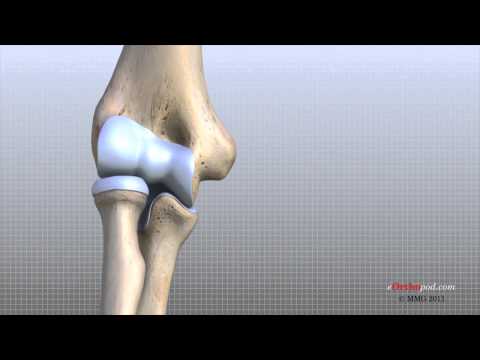
First off, the dog elbow joint connects three main bones: the humerus, which is the upper arm bone; and two bones in the forearm—the radius and ulna. These bones work together to allow movement and support weight when your pup runs, jumps, or just hangs out.
The elbow is a hinge joint, you know? This means it mainly allows for bending and straightening—think how you can bend your arm. But it’s not just a simple hinge! The dog’s elbow also rotates a bit, which adds to their ability to position their paws in different ways while they’re playing or exploring.
Ligaments are super important too! These tough bands of tissue connect bones at the joint. In dogs, there are a few main ligaments that help stabilize the elbow:
- Lateral collateral ligament: This one keeps the outer part of the elbow stable.
- Medial collateral ligament: It does the same for the inner side.
- Anconeal process: This unique structure helps with stability and movement.
If these ligaments get injured or weak, it could lead to problems like arthritis or instability. Ouch! That’s why keeping an eye on your dog’s movements can help catch issues early on.
The muscles around the elbow play a big role too. They help control movement and power during activity. Some major muscles include:
- Biceps brachii: Helps with flexing that elbow.
- Brachialis: Another muscle that aids in flexing—it’s like teamwork!
- Triceps brachii: This one extends the elbow; think about how dogs straighten their legs when they run!
A little emotional note here: I once saw my friend’s Labrador retriever struggle a bit while getting up after napping on his favorite couch spot. It made me realize how crucial those joints are for them—not just for running after balls but also for just being comfy at home!
You know what else is fascinating? The cartilage! It’s this smooth tissue covering the ends of bones at joints. For dogs, it helps reduce friction during movement. Imagine rubbing two rough surfaces together—ouch! Cartilage keeps things smooth so they can prance around pain-free.
The synovial fluid is another unsung hero here. It lubricates those joints so they can move easily without grinding against each other too much. Think of it as natural oil for their elbows; without it, well… let’s just say things wouldn’t feel great!
Puppies have that adorable energy because everything operates smoothly at first. But over time, or due to injury, those little joints might need some extra care—and that’s where regular vet visits become essential!
The bottom line? Understanding canine elbow anatomy gives us insight into our dogs’ health and mobility. Keeping an eye on them means more fun times together—running through fields or simply enjoying cuddly moments on the couch!
Understanding Dog Elbow Anatomy: Insights from X-Ray Imaging in Veterinary Science
The dog elbow joint is, like, a super interesting part of their anatomy. It might not seem like a big deal at first glance, but it really plays a key role in how your furry friend moves around. So let’s take a closer look at what goes on in that elbow.
First off, the elbow joint is where the **humerus**, which is the bone of the upper arm, meets two other bones called the **radius** and **ulna** in the forearm. This trio of bones forms a hinge joint, allowing for flexion and extension. So when your pup fetches that ball or stretches out after a nap, you can thank this little hinge for all that movement!
Now, if we dig deeper into what makes up this joint, you’ll find **cartilage** lining the surfaces of these bones. Cartilage is like a soft cushion that helps reduce friction during movements and absorbs shock when your dog jumps or runs. Think about how good it feels to have comfy shoes; that’s kinda what cartilage does for the joints.
Another crucial player in this whole scene is the **joint capsule**. This is like an envelope wrapped around the elbow joint that holds in synovial fluid. It helps with lubrication and keeps everything nice and slippery—kind of like olive oil for cooking! Without it, your dog’s elbow would be a bit creaky and stiff.
And here’s where things get techy but super cool: X-ray imaging! Veterinarians often use X-rays to look inside those elbows when they suspect an injury or disease. With an X-ray, they can see if there are any fractures or deformities in those bones we just talked about. For example, if you notice your dog limping after a long walk or hesitating to jump into the car, an X-ray can help pinpoint what’s going on.
Sometimes things don’t go as they should with dog elbows. Conditions like **elbow dysplasia** may occur—this happens when there’s abnormal development which can lead to arthritis later on. You can imagine how tough that must be for our four-legged friends!
All these parts working together lets dogs enjoy their daily activities while maintaining balance and agility: running after squirrels or digging holes (let’s be real!). If you ever get to see an X-ray image of a dog’s elbow, you might find it fascinating to see how all those pieces fit together!
In summary:
- The elbow connects the humerus with radius and ulna.
- Cartilage cushions joints against impact.
- The joint capsule holds synovial fluid for lubrication.
- X-rays help vets diagnose issues in dog elbows.
- Conditions like elbow dysplasia can affect mobility.
So yeah! Understanding that anatomy gives us valuable insights into why keeping our pets active is crucial for their health—and why seeing a vet whenever something seems off is always smart!
Exploring Canine Elbow Joint Anatomy: Insights for Dog Naming and Veterinary Science
Exploring the anatomy of a dog’s elbow joint is like peeling back the layers of a fascinating puzzle. You might not think about it often, but understanding how this joint works can offer insights into everything from dog names to the health of our furry friends.
The dog elbow, or **cubital joint**, connects the upper arm bone (humerus) to two bones in the forearm: the radius and ulna. It’s essential for their mobility, helping them run, jump, and play. The cool thing is that this joint allows for both flexion and extension. So when your pup is chasing after that tennis ball, it’s all thanks to this nifty little setup.
When you look at the **anatomy** itself, it gets really interesting. The elbow has several components:
- Joint capsule: This is a sturdy sleeve that encloses the joint, keeping everything in place.
- Cartilage: Smooth stuff covering bones where they meet, allowing for easy movement.
- Synovial fluid: This slippery liquid lubricates the joint and nourishes the cartilage.
- Ligaments: Tough bands connecting bones and providing stability—think of them as nature’s seatbelts!
Now imagine watching your dog do zoomies in the backyard. Every twist and turn? Yep! That elbow joint is doing heavy lifting there. The ability to bend and straighten enables a wide range of motion that’s crucial for a dog’s agility.
As for naming your pup, thinking about how their body moves can add some fun ideas! For instance, names like Flex or Twist could be playful nods to those natural movements powered by their elbow joints. It adds personality while also hinting at their anatomy—you get both creativity and science!
And let’s not forget about veterinary science here. Understanding elbow anatomy can help vets diagnose issues like **elbow dysplasia**, which is a common condition in certain breeds. This happens when the bones don’t fit together perfectly due to improper growth or development. Recognizing symptoms early can save your dog from pain later on.
So keep an eye out—if your furry friend seems stiff or reluctant to play like they usually do, it might be worth a trip to the vet just to check things out.
In short, knowing about your dog’s elbow joint gives you insight into their mobility and health. Plus, it opens up a whole new world for creative naming! So next time you see your pup bounding around with joy, just remember: there’s some serious science behind all that cuteness!
Alright, let’s chat about something really interesting: the dog elbow joint. You know, those furry creatures we all love? Well, their elbows are kind of a big deal when it comes to how they move around. So, thinking back to when I was a kid, I had this golden retriever named Max. He was all about chasing after tennis balls and running like the wind. But sometimes, he’d limp or act a bit funny after a long day of play. That got me curious about the mechanics behind his movements.
So here’s the scoop on the dog elbow joint. It’s basically made up of three main bones: the humerus (that’s the one in their upper front leg), the radius, and the ulna (which form the lower part). Think of them as puzzle pieces that fit together to create a hinge joint. This allows dogs to bend and straighten their front legs just like we do with our elbows. Pretty neat, huh?
What really gets me is how these joints help dogs be so agile and quick! When they’re running or jumping around (like Max used to), their elbows bend and flex, which helps them pick up speed or change direction in an instant. It’s all about that smooth motion that keeps them from getting tripped up. Plus, it also plays a role in their ability to dig and grab things with those powerful paws!
But here’s where things get serious—dog elbows can have issues too. Just like us humans can suffer from arthritis or injuries, dogs aren’t immune either. If they get hurt or develop conditions like elbow dysplasia (a fancy term for when their bones don’t fit together right), it can be tough for them to move properly.
Watching Max struggle during his later years made me realize how crucial this joint is for their quality of life. It’s more than just a simple hinge—it’s essential for everything they do! Mobility affects how they play fetch or even just trot around during daily walks with us.
So next time you see your pup bounding around in excitement, take a moment to appreciate that amazing elbow joint working hard behind the scenes! It’s like nature’s perfect little design helping our furry friends live life to the fullest every single day!