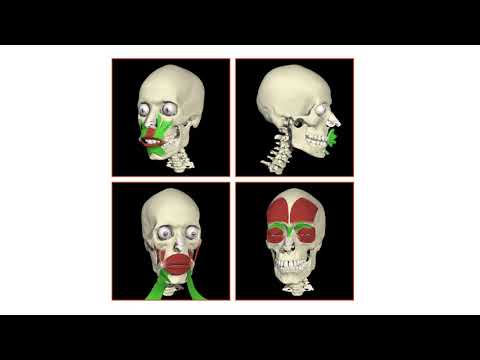
So, picture this: you’re at a party, and someone mentions the term “functional anatomy.” Suddenly, it’s like someone hit the snooze button on the fun. Right? But hang on—what if I told you that understanding how our bodies work could actually be super cool?
I mean, seriously! Imagine blowing your friend’s mind with how our muscles and bones team up to let us do everything—from dancing like nobody’s watching to running away from a bee.
That’s where science comes in! Functional anatomy isn’t just a bunch of fancy words; it’s about what makes us tick. And it has a major role in outreach initiatives too—helping people connect with their bodies and the science behind them. So let’s dig into this topic together—trust me, it’ll be more fun than that party you just left!
Understanding Functional Anatomy: Key Examples and Their Role in the Field of Science
Functional anatomy is one of those cool fields that really connects the dots between structure and function in living things. So, let’s pull this apart a bit, shall we?
First off, functional anatomy looks at how different body parts work together. It’s not just about where muscles and bones sit; it’s also about what they do when you move! Think about when you throw a ball. Your shoulder rotates, your arm extends, and your wrist snaps just right. Each part plays a role in making that throw happen smoothly.
Now, imagine studying the anatomy of birds versus humans for a second. Birds have lightweight bones and specialized wing muscles adapted for flight. In contrast, we’ve got sturdy bones and strong muscles geared more towards endurance and strength. What this shows is how anatomy adapts to function. It’s like nature’s own version of tailor-made solutions!
Moving on to examples from science! You might’ve heard of **the human hand**. Our hands are super versatile because they have a unique structure: long fingers and opposable thumbs allow us to grasp and manipulate objects deftly. This anatomical feature has been essential for technological development—so yes, you can thank your ancestors for figuring out how to use tools!
And let’s not forget **the heart**! This organ has chambers that work like pumps to circulate blood throughout the body. The left side pumps oxygen-rich blood out to the body while the right side receives blood low in oxygen from circulation. If it weren’t for its design, well… we’d be pretty sluggish!
Functional anatomy isn’t just for human biology, though! Take dolphins as an example; their streamlined bodies and flippers show how aquatic life shapes anatomical features for survival—less drag in water means they swim faster.
From an outreach perspective, teaching functional anatomy can help people appreciate their own bodies better! Just think about how many folks want to understand why they feel pain in certain areas or how exercise affects them? By breaking down these concepts into relatable bits (like using everyday activities), educators can really spark interest.
So yeah, when it comes down to it, functional anatomy is all about understanding the “how” behind life forms—from cells right up to entire organisms. And whether it’s helping athletes improve performance or teaching kids about biology through fun demonstrations—the more you know about these connections, the more you realize how amazing our bodies (and nature) really are!
- The connection between structure and function.
- The adaptability of anatomy across different species.
- Examples like the human hand and dolphin morphology.
- The role of functional anatomy in education and outreach.
Ultimately, diving into functional anatomy opens up a world where science meets everyday life—and that’s pretty awesome!
The Significance of Functional Anatomy in Advancing Scientific Understanding and Applications
Functional anatomy is like the ultimate cheat sheet for understanding how living things work. It dives deep into how different parts of an organism, say, you or your favorite furry friend, come together to do their thing. Think muscles, bones, nerves, and organs all hanging out in a super complex yet beautifully orchestrated system. Pretty cool, right? The *significance* of functional anatomy goes way beyond just looking at some diagrams in a textbook.
First off, it’s essential for scientific understanding. You can’t just have random pieces of knowledge about an organism; you need to see how they connect. For example, when studying a human arm—like how it can lift a cup of coffee—you’ve gotta know not just about the muscles but also about bones and joints. This intersection helps scientists get a clearer picture of movements and mechanics.
Also, functional anatomy plays a huge role in medical science. It’s instrumental in developing treatments for injuries or diseases. If one part’s not working right, the rest gets thrown outta whack too! Doctors use this knowledge to figure out what’s going wrong. Picture someone with a torn ligament in their knee—a thorough understanding of functional anatomy lets them create rehab plans that target specific muscle groups to help you get back on your feet again.
And then there’s the spark for innovation. Functional anatomy inspires new technologies and applications. Take prosthetics as an example: advances rely on understanding how limbs function normally before engineers can design replacements that mimic those movements closely. That means more natural motions and better quality of life for users.
Now let’s talk outreach initiatives. Often scientists struggle with communicating all this amazing info effectively to everyone out there. But knowing anatomy is key when trying to explain concepts related to health or fitness, for instance. You don’t wanna lose people along the way! If you’re running a workshop on proper lifting techniques at the gym, breaking down where your muscles come into play makes it easier for folks to grasp what’s happening inside their bodies.
The beauty lies in its application across various fields. From sports science to rehabilitation therapies or even yoga practices—functional anatomy showcases its relevance everywhere! When you’re teaching athletes about body mechanics through anatomical insights, it becomes easier for them to understand why they might be getting those pesky injuries or straining certain muscles.
So the next time you hear someone mentioning functional anatomy—remember it’s not just some boring academic jargon floating around! It’s this dynamic field playing a pivotal role in shaping our understanding of biology while giving us tools we can apply daily. That’s why staying connected with it not only enriches scientific discussions but also helps communicate effectively with folks outside the lab too!
Functional anatomy, huh? It sounds super technical, but at its core, it’s about understanding how the parts of our body work in harmony. You know, like a team where each player has a role to make everything flow smoothly. I remember this one time in biology class when we had to do this project on muscles and movements. We paired up, and my partner was an athlete. Watching him explain how his muscles worked while demonstrating different moves was just… wow. It made the whole concept come alive.
So anyway, functional anatomy isn’t just for textbooks; it’s all around us! Every time you stretch after sitting for too long or feel that little twinge when you pick something heavy up wrong—it’s all about how your body’s structures work together (or not). And this is where science outreach comes into play. Sharing these insights with others can transform the way they see their own bodies and health.
Outreach initiatives often focus on making complex ideas accessible and fun! Workshops in schools or community centers can adapt these notions of anatomy to real-life situations people experience every day. Imagine kids learning about their muscles by playing games that teach them about body movements! Not only is it interactive, but they’re also instilling knowledge that’s useful—like understanding why warming up before sports is crucial.
And look, let’s not forget that everyone’s body is unique. This diversity adds an exciting layer to functional anatomy discussions in outreach programs. When we honor individual experiences and differences in anatomy, we help people feel more connected to what science has to offer.
But yeah, there are challenges too—like ensuring accurate information gets out without being overwhelming. Sometimes it feels like a tightrope walk between keeping it simple and not diluting the science.
The thing is, making functional anatomy relatable can lead to better health choices down the road. You might inspire someone who didn’t think much about their body before to really appreciate what they’ve got going on under the skin.
So next time you think about functional anatomy or catch a glimpse of your muscles flexing in the mirror after a workout, remember there’s more than meets the eye! There’s a whole world of connections happening inside you—and sharing that story can make science resonate in powerful ways!