You know that moment when a kid asks a question that stops you in your tracks? Like, “Why is the sky blue?” or “What’s inside a black hole?” It’s both a little terrifying and totally awesome.
Seriously, how do you even begin to unpack that? Well, that’s the magic of science outreach! It’s all about making those big questions accessible and fun for everyone.
I mean, think about it: science isn’t just for lab coats and glasses. It can be out there, in the park or at your local library. Imagine kids running around doing experiments with glow-in-the-dark slime or adults geeking out over the latest space discoveries at a pub night.
Innovation in science outreach is happening everywhere! And it’s not just for kids; it’s for everyone who’s curious—no matter their age! So, let me share some cool ways folks are bringing science to life right now. Get ready to feel inspired!
Understanding Outreach Activities in Science: Engaging Communities and Promoting Scientific Literacy
You know, science is like this amazing puzzle we’re all trying to solve, right? But sometimes it feels a bit exclusive to people who aren’t in the loop. That’s where outreach activities come in! They’re super important for getting everyone—young folks, families, and even older generations—engaged with science. So let’s break down what outreach is all about and why it’s crucial for promoting scientific literacy.
What are Outreach Activities?
Outreach activities are basically efforts made by scientists, educators, and organizations to connect with communities. This isn’t just about throwing fancy jargon at people; it’s about making science accessible and relatable. Seriously! Have you ever watched a child’s face light up when they see a volcano erupt at a science fair? That spark of wonder is what we aim for.
Who Benefits?
Everyone! Children get exposure to STEM (that’s Science, Technology, Engineering, and Math) at an early age. Adults can learn new things too—even if they didn’t enjoy school back in the day. And communities benefit as a whole because more people become informed citizens able to engage with pressing issues like climate change or public health.
Different Ways to Engage
There are loads of ways to engage communities. Here are some key methods:
- Workshops: Hands-on activities allow participants to explore scientific concepts directly.
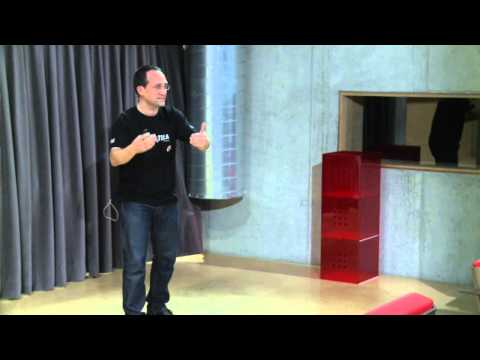
- Public Lectures: These can break down complex topics in simple terms—think of them as TED Talks but for local audiences.
- Science Fairs: Not just for kids! Community members can showcase their projects and share ideas.
- Museum Exhibits: Interactive displays can bring science out of the textbook.
Each of these formats brings different people together. For instance, I once went to a local science night where kids built rockets from soda bottles! The excitement was contagious; parents were getting involved too. That kind of energy makes learning fun!
The Role of Technology
Technology has really leveled up outreach activities. With virtual reality experiences or online platforms for live discussions, anyone can join in regardless of their location. How cool is that?! Imagine exploring Mars from your living room or chatting with scientists in real-time about their research!
The Importance of Inclusivity
It’s vital that outreach efforts include underrepresented groups—the more diverse perspectives we have in science, the better solutions we find for global challenges. This means tailoring programs so that everyone feels welcome, whether it’s through multilingual resources or community-specific events.
The Bigger Picture
Ultimately, these outreach initiatives aim not just to teach facts but to foster critical thinking skills. We want people questioning things like “Why should I care about climate change?” or “How does vaccination work?” Engaging conversations can lead individuals not just to accept information blindly but rather seek deeper understanding. This kind of scientific literacy empowers communities.
So yeah, there you have it! Outreach activities are essential for breaking down barriers between science and society. They promote curiosity and help us all become better informed citizens who participate in discussions that shape our future—because honestly? We all need a bit more wonder and knowledge in this world!
10 Innovative Strategies to Make Science More Engaging for All Ages
Making science engaging for everyone? That’s a great challenge, and it’s one that many educators and scientists are passionate about tackling. Here are some innovative strategies that can really help bridge the gap between science and people of all ages.
- Hands-on experiments: Seriously, there’s nothing like getting your hands dirty! When you can touch, feel, or even taste (in safe ways, of course) what you’re learning about, it sticks way better. Think of making slime to teach about polymers. Kids love it, but adults can find joy in it too!
- Storytelling: Stories are universal. You can weave scientific concepts into fun narratives. Like telling the tale of how the ocean became salty! It’s more than just facts; it becomes an adventure that everyone wants to hear.
- Outdoor explorations: Nature is a giant classroom! Organizing nature walks or stargazing nights not only connects people to science but also gets them moving outside. Imagine pointing out constellations and sharing their myths—awesome, right?
- Interactive technology: Using apps or virtual reality can be super exciting. Picture kids exploring the human body through VR—it’s like they’re mini doctors! Tech makes complex ideas feel accessible.
- Community projects: Getting community members involved in real-world projects helps them see the impact of science locally. Whether it’s monitoring local water quality or planting gardens for sustainability education, hands-on involvement fosters connection.
- Cultivating curiosity: Encouraging questions is key! Workshops that allow participants to brainstorm their scientific queries foster a culture of inquiry. Ever asked “Why is the sky blue?” This kind of curiosity drives engagement!
- Thematic events: Hosting themed days or festivals helps create an exciting buzz around different scientific fields. Think “Science Carnival” where every booth has interactive games related to various sciences—so much fun!
- Zines and DIY science kits: Creating simple zines with fun facts or DIY kits for at-home experiments makes science approachable. It’s like giving people a taste of exploration right in their living room!
- Cultural connections: Linking scientific concepts to local cultural stories or practices can make topics feel relevant and relatable. For example, using indigenous knowledge about plants can teach botany effectively.
- Pantomime science: Yes! Using acting as a medium to explain processes—like demonstrating gravity by pretending to drop objects—is engaging and memorable.
Engaging people with science doesn’t have to be serious all the time; sometimes it’s playful and experimental! Each strategy creates an opportunity for connection, understanding, and maybe even love for the subject at hand. So go ahead: let your imagination run wild with these ideas!
Engaging Future Innovators: Effective Strategies to Spark Students’ Interest in Science
Engaging students in science is like lighting a fire. You need the right spark and some fuel to keep it going. So, here are a few ideas to fan those flames of curiosity in future innovators.
- Hands-On Activities: Doing stuff is way more exciting than just hearing about it. Experiments that let students mix chemicals or build simple circuits can turn science from abstract to tangible. Imagine the joy on a kid’s face when they see a homemade volcano erupting!
- Real-World Applications: Show how science applies to their lives. Whether it’s how the weather affects their day or how technology works in their favorite video games, connecting classroom knowledge to real-world situations makes it relatable and urgent.
- Mentorship Programs: Pairing students with mentors who work in scientific fields can be super inspiring. Think of it as a backstage pass to the world of science! When young learners see professionals who are passionate about what they do, that enthusiasm can be contagious.
- Coding and Technology: With technology at our fingertips, engaging students through coding or robotics clubs can spark interest like nothing else! It’s not only cool but shows them how science underpins many tech advancements today.
- Science Fair Competitions: Host fairs where students can showcase projects they’ve worked on. It’s amazing how much pride they take in sharing their own creations, and this competitive aspect adds an element of fun!
You know, I remember back in school when we had a guest speaker who was an astronaut! The stories he told about space were magic—full of adventure and mystery. I couldn’t stop dreaming about exploring the stars! That’s the power of someone genuinely excited about science; it sticks with you.
The key here is making science feel less like schoolwork and more like an adventure waiting to happen. By using engaging strategies—hands-on participation, real-life connections, mentorships—you create an environment where curiosity thrives and students feel encouraged to ask questions. In doing so, you’re not just teaching them facts; you’re nurturing future innovators ready to tackle tomorrow’s challenges!
This isn’t just about getting good grades; it’s about planting seeds that grow into lifelong interests or even careers for some. You want them looking at the world around them with wonder and asking deeper questions.
Incorporating these strategies doesn’t have to be perfect or overly structured; sometimes the best moments come from spontaneous curiosity. Just remember: when you light that spark, let it burn bright!
You know, when you think about science outreach, it can feel kind of stiff and formal sometimes. But the truth is, there are some really cool and innovative ways to bring science to everyone, no matter how old you are. Like, imagine stumbling upon a pop-up science festival in your local park. Kids are running around with homemade rocket launchers while adults are chatting with scientists over craft beer. I mean, that’s just such a vibe!
One of the coolest things I’ve seen recently is community-based science initiatives. Picture this: a group of local scientists getting together with families to explore nature right in their own backyards. They’re not just showing off some fancy lab equipment; they’re digging up worms, checking out plants, and explaining how ecosystems work—all while keeping it super casual and fun. You just start to see the world around you differently!
And then there’s online outreach! It’s kind of mind-blowing how accessible this has become, especially after everything we’ve gone through the past few years. You can attend virtual workshops on astrophysics while still in your pajamas! Seriously! Or join live Q&A sessions with researchers who genuinely seem excited to share their passion for science with you. That sense of connection can really break down barriers.
But let’s not forget about museums and libraries stepping up their game too! They’re creating interactive exhibits where you can touch stuff and play around with experiments. I once went to an exhibit that had a giant bubble wall—like full-on childhood dreams coming true right there! And what really shocked me was seeing grandparents getting pulled into these activities alongside their grandkids. There’s something pretty magical when people of all ages come together to learn.
Honestly, all these efforts remind us that learning doesn’t have to be boring or confined to classrooms. It should be messy and unpredictable like actual life! And when you see someone light up because they figured out why the sky is blue or how plants “talk” through chemicals—it’s infectious!
At the end of the day, making science approachable is like planting seeds for curiosity in everyone’s minds—it grows differently in each person but imagine how beautiful that garden could be? So go ahead, find a local event or an online talk—who knows what might spark your interest next?