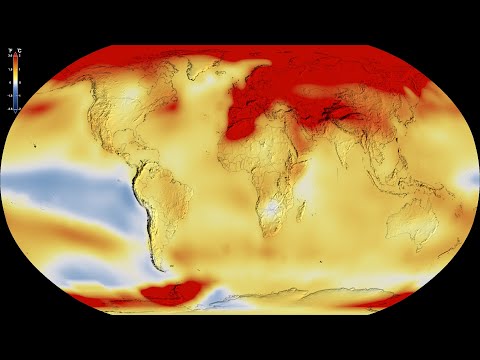
You know that feeling when you step outside and it’s, like, way hotter or colder than you thought? It’s kind of a shock, right? Well, imagine trying to figure out how hot or cold the Earth has been for thousands of years! Crazy, huh?
But here’s the thing: scientists have been piecing together this massive puzzle of Earth’s temperature changes over time. They use all sorts of tools and tricks to figure out what our planet was up to long before we were around to keep track ourselves.
From ice cores in Antarctica to ancient tree rings, it’s like they’re detectives hunting down clues about our climate history. And honestly, it’s pretty wild what they’ve discovered!
So grab a cup of something warm (or cool), and let’s chat about how this whole thing works. Trust me; it’ll make those weather apps on your phone seem super basic!
Exploring Climate History: Analyzing Earth’s Temperature Trends 2000 Years Ago
So, let’s talk about Earth’s temperature history. It’s a pretty wild ride! When we look back over the last 2000 years, there are some significant changes and trends that we can discover.
First off, the Roman Warm Period, which peaked around AD 0 to 300, was actually a time when temperatures were pretty high. You know, like warmer than what we see today in some parts of the world! This period was characterized by good agricultural yields in Europe, which helped the Roman Empire thrive.
Then came the Medieval Warm Period, roughly from AD 900 to 1300. It was also warm but varied quite a bit across different locations. Some areas experienced really nice weather for farming while others didn’t have it so easy. Picture a time when vineyards grew in places like England—crazy, right?
Then things flipped during the Little Ice Age, lasting from about the 14th century into the 19th century. It got colder during this time and even led to rivers freezing in parts of Europe! This had huge implications for agriculture and even influenced art; think of those chilling paintings of frosty landscapes.
Now you might wonder: how do we know all this? Scientists use several methods to probe into past climates. One popular technique involves analyzing ice cores from glaciers and polar regions. These layers trap air bubbles that give us clues about what the atmosphere was like thousands of years ago. Pretty cool, huh?
Another way is through tree rings! Yeah, it’s true—trees keep track of climate in their growth rings. Thicker rings usually mean good growing conditions with lots of rain or sunshine, while thinner ones indicate tough times.
But here’s where it gets interesting: looking at temperature trends isn’t just about ancient civilizations or freezing rivers; it’s crucial for understanding our current climate crisis. Seriously—you need to see past data to make sense of what’s happening today.
So if you take all these fluctuations into account—you’ll notice that Earth has always had ups and downs in temperature due to natural causes like volcanic eruptions and solar cycles but recently human activity is throwing a big wrench into things.
In short, studying Earth’s temperature trends over these vast periods not only reveals fascinating stories about our past but also helps us understand our changing climate today—and why it matters for our future!
Exploring Historical Climate: Temperature Trends of 500 Years Ago in Scientific Perspective
Alright, let’s chat about the temperature trends from like 500 years ago. Seriously, it’s super interesting how scientists dive into historical climate data to understand what the Earth was like back then.
So, first off, you might be wondering how we even know what the temperature was centuries ago. Well, there are these things called proxy data. Instead of thermometers, scientists use tree rings, ice cores, and sediment layers to figure out past climates. Imagine counting rings on a tree; each ring can tell you a lot about that year’s weather. Cool, right?
For example, when trees grow in warmer conditions, their rings are wider. If it was a chilly year? The rings are thinner. It’s like nature’s way of keeping a diary! When researchers look at lots of these trees from different locations, they can piece together a temperature picture over time.
Now let’s talk about that period around 500 years ago—think early 1500s. This time aligns with what many call the Little Ice Age. It wasn’t an ice age in the traditional sense; rather it was a cooler phase that lasted for several centuries in Europe and parts of North America. You could say people were bundling up more often!
- The temperature during this time was significantly lower than today.
- Glaciers advanced in many regions where they’re now receding.
- This period had severe winters which impacted agriculture and food supply.
You know what’s wild? Historical records show that rivers like the Thames would freeze over! Can you imagine ice skating on a river in London? People did that back then! It wasn’t just chilly; this trend influenced livelihoods—harvesting crops became way trickier.
Moving forward through history to now, temperatures have been on this steady rise since the end of that cooling period. But hey, it’s not just about looking at these past trends for fun—science uses them to predict future climate scenarios too! By understanding long-term patterns and variations, researchers can forecast how our planet might react moving forward.
In essence, historians and climate scientists work hand-in-hand to unravel this story written in nature’s own language. They connect dots between past and present temperature changes and help us appreciate how dynamic our planet really is.
The takeaway? By exploring historical climate data spanning back centuries—even millennia—we get valuable insights into our current challenges with climate change. Understanding where we’ve been helps navigate where we’re headed!
So next time someone mentions climate change or historical temperatures, you’ll know there’s a treasure chest of information hidden in tree rings and ancient ice!
Analyzing 1,000,000 Years of Global Temperature Trends: A Comprehensive Graphical Overview
Alright, let’s talk about the last million years of our planet’s temperature changes. It’s pretty wild when you think about how long that is, right? So, basically, the Earth has gone through a bunch of climate swings during that time. From icy glacial periods to warmer interglacial ones, these changes have shaped the world we live in today.
Glacial and Interglacial Periods are key features in this story. The last million years include several cycles where large parts of Earth were covered with ice—like the last Ice Age that ended about 11,700 years ago. After these frigid times, we moved into warmer periods called interglacials. You can picture it as a back-and-forth dance between heat and cold!
One interesting point here is that CO2 levels have played a huge role in these temperature shifts. When carbon dioxide in the atmosphere goes up, temperatures tend to rise too. Think of CO2 like a cozy blanket around the Earth—it traps heat! During those icy periods, CO2 levels dropped significantly. And when it got warm again? Up went the CO2 too!
If you’re wondering how we track all this over such a long period, scientists use ice core samples. Basically, they drill deep into ice sheets in places like Antarctica and Greenland to get layers of ice that have built up over hundreds of thousands of years. Each layer tells us something about past temperatures and atmospheric conditions.
- The deeper you go into an ice core, the older the air bubbles trapped inside are.
- This data can show average global temperatures from different eras.
- You can even see how volcanic eruptions affected climate by checking for ash layers!
Graphical representations like charts and graphs make all this data easier to digest. If you’ve ever seen one that plots temperature against time over a million years, you’ll notice sharp peaks and valleys—those represent our planet’s wild swings between glacial and interglacial states.
This isn’t just some boring history lesson; it’s crucial for understanding our current climate crisis too! For example, we’re currently experiencing rapid warming that’s way faster than anything documented in those ancient records. It makes you think twice about what we’re doing with our environment today!
The takeaway here? Our Earth has seen dramatic changes before—but now things are happening at lightning speed due to human activity. Understanding this long-term perspective helps us grasp just how serious our current situation really is.
You know, when you think about Earth’s temperature changes, it’s kind of mind-blowing. It’s not just a little fluctuation here and there; we’re talking about major shifts that have happened over millions of years. Like, imagine the dinosaurs roaming around in a much warmer climate. Crazy, right?
So let’s rewind a bit. The Earth has gone through ice ages and really hot periods too. It’s like having seasons on a grand scale that lasts thousands of years! Scientists keep track of these changes using all sorts of methods, like ice cores from Antarctica or sediment layers from oceans. Every layer is like a page in our planet’s diary, telling stories about what the climate was like back then.
I remember reading about how paleoclimatologists—yeah, that’s a fancy word for scientists who study past climates—use data from tree rings to determine temperatures over time. Can you imagine? They’re basically reading trees like they’re some kind of ancient scroll, unlocking secrets about what those trees experienced in their lifetime.
But here’s the kicker: while natural processes have shaped our climate over eons—like volcanic eruptions and shifts in Earth’s orbit—now we’re throwing a wrench into things with human activity. I mean, burning fossil fuels and deforestation? That adds heat to the system fast! It feels overwhelming sometimes thinking about it all.
It makes me think of how fragile our world really is. There was this one time I took a road trip to see some glaciers in the mountains; standing there, surrounded by this massive beauty… just realizing it could be drastically different for future generations really hit me hard. Those glaciers are shrinking at an alarming rate!
Tracking these temperature changes is more than just numbers on a graph; it’s crucial for understanding our place on this planet and what legacy we leave behind. So next time you hear someone talking about global warming or climate change, just remember: it isn’t just about today or tomorrow but also about the stories etched into our planet’s history—and how we can change that narrative moving forward. You feel me?