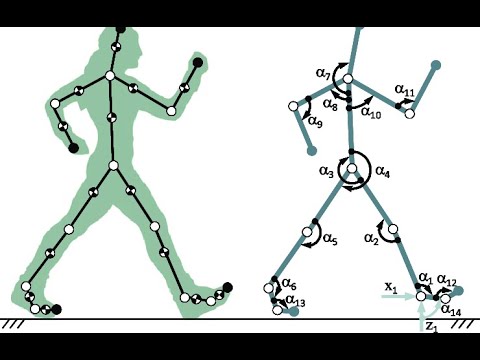
So, picture this: you’re sprinting for that last slice of pizza at a party. Classic! But in the back of your mind, there’s a little voice saying, “Hey, don’t pull a hammy!” That’s biomechanics in action, my friend.
You know, that whole science of how we move and how our bodies work? It’s like your body’s behind-the-scenes tech team, making sure everything runs smoothly. Well, brace yourself because innovations in biomechanics are changing the game for health and performance in some seriously cool ways.
Think about athletes pushing their limits or even everyday folks trying to stay fit and avoid injuries. The stuff happening in this field isn’t just nerdy lab work—it’s gonna impact all of us! From high-tech gear to smart feedback systems, it’s all about maximizing how our body does its thing.
Let’s take a closer look at why biomechanics is becoming the MVP for anyone wanting to upgrade their health and performance—you with me?
Revolutionary Advances in Biomechanics: Exploring the Latest Breakthroughs in Movement Science
So, biomechanics is this super cool field that merges biology and mechanics. It basically studies how our bodies move. Think of it like watching a meticulously choreographed dance, where every step has a purpose and every movement tells a story. Recently, we’ve seen some really exciting breakthroughs that could change the way we understand human movement, especially in health and performance.
Wearable technology is one of the biggest game-changers right now. You know those fitness trackers you see everywhere? They’re not just counting steps; they can analyze your gait and posture too. By using sensors to capture data as you walk or run, they help identify areas where you might be at risk for injury. So if you’re an athlete or just someone who loves to jog in the park, this tech can guide you towards better bio-mechanical efficiency.
Another fascinating development is robotic exoskeletons. Imagine being able to walk again after an accident or injury due to a device that supports your movement! These exoskeletons are designed to assist people with mobility issues. They use advanced robotics and sensors to help users regain their ability to walk by mimicking natural movements. It’s kind of like having a sidekick that supports you every step of the way.
Now let’s talk about 3D motion capture technology. This might sound all sci-fi, but it’s becoming more common in rehab settings and training programs. By capturing your movements in three dimensions, practitioners can analyze them frame by frame—like creating a slow-motion video of what you’re doing wrong or right! Athletes utilize this tech for improving their techniques, while therapists use it for rehabilitation strategies after injuries.
Then there’s biomechanical modeling. Think of it as creating a digital twin of yourself—pretty neat, huh? Researchers create simulations based on your individual anatomy and biomechanics to predict how different movements affect your body. For instance, if you’re recovering from knee surgery, this model can help doctors tailor exercises specifically for you so that recovery is more effective.
Also worth noting is the increased focus on muscle memory research. Understanding how our bodies remember skills helps sports scientists design better training regimens for athletes at all levels. When we practice something repeatedly—like shooting hoops or running hurdles—we aren’t just learning; we’re literally rewiring our brains and muscles!
Incorporating biomechanics into everyday healthcare isn’t just for athletes either; it’s breaking ground in physical therapy as well! Therapists can now apply biomechanical principles to tailor rehabilitation exercises more effectively based on each patient’s unique needs.
And don’t forget about improved prosthetics. Advances are making these artificial limbs more functional and responsive than ever before! By integrating biomechanical insights into design, engineers have created prosthetics that mimic natural movement closely—a dream come true for those who rely on them daily.
So yeah, the advances in biomechanics are reshaping our understanding of human movement incredibly! From wearable tech keeping us fit to groundbreaking treatments enabling people to walk again or recover faster from injury—the future looks bright! Isn’t it amazing what science can do?
Enhancing Athletic Performance: The Role of Biomechanics in Sports Science
Alright, let’s chat about biomechanics and how it plays a role in boosting athletic performance. You might be wondering, what even is biomechanics? Well, picture this: it’s the study of movement—like how your muscles, bones, and joints work together when you run, jump, or even throw a ball. It’s like the behind-the-scenes magic of sports!
So, here’s the deal. When athletes want to enhance their performance, they don’t just hit the gym and lift weights all day. They dig into the mechanics of their movements. That’s where biomechanics comes in! It helps them understand things like force, motion, and how to optimize their body movements to achieve better results.
- Force production: Think about sprinters. Their ability to push off the ground with power is essential for speed. Biomechanists study how they can maximize force through proper technique.
- Avoiding injuries: Proper biomechanics can significantly reduce the risk of injuries. For instance, if a runner has poor form—like over-striding—it can lead to knee problems down the line.
- Custom equipment: Ever heard of smart shoes? Biomechanics helps engineers design gear that enhances performance while providing support where it’s needed most.
- Treading lightly: Footwear design has evolved dramatically thanks to biomechanics research. Everyone from weekend joggers to elite athletes can benefit from shoes designed specifically for their running styles.
I remember hearing a story about an Olympic athlete who struggled with consistency in his jumps. After analyzing his technique with advanced biomechanics technology—like motion capture systems—they pinpointed that he was landing incorrectly. Small tweaks made all the difference! He ended up breaking personal records during competitions that season!
Tough stuff right? But here’s why it’s super cool: athletes are now using wearable tech that tracks movement in real-time! Can you imagine? Devices can provide feedback on posture or stride length while you’re still out there in action!
This analysis isn’t just for elite sports either; it’s become accessible for everyone wanting to improve their game—even if your game is just backyard basketball or running around at the park with friends.
The bottom line is biomechanic principles are revolutionizing how we think about physical activity and athleticism. By marrying science with sport, we’re not only enhancing performance but also promoting long-term health benefits for everyone involved.
The beauty of biomechanics lies in its applications across various sports—from soccer kicks to swimming strokes—and its promise of helping humans push beyond limits safely and effectively.
This isn’t just about winning medals; it’s about understanding our bodies better and enjoying movement at any level! So next time you jog or throw that basketball around, think about all those little mechanics working behind your every move.
Exploring the Key Roles of Biomechanists in Enhancing Human Performance in Sports Science
Biomechanics is one of those fields that sneakily blends science with sports, and it’s super exciting. If you think about it, these pros are like the unsung heroes behind every athlete’s performance, helping them push their limits while minimizing injuries. So, what do biomechanists really do? Let’s break it down.
First off, they study human movement. Imagine you’re watching a sprinter fly down the track. A biomechanist would analyze how their muscles, joints, and even tendons work together to create that explosive speed. They use fancy tools like motion capture systems—think of them as high-tech cameras that track every little movement.
Now let’s talk about injury prevention. No one likes getting sidelined by an injury, right? Biomechanists assess athletes’ movements to spot potential issues before they turn into problems. For example, if a runner has a weird gait—like their foot twisting too much—this could lead to injuries down the line. By tweaking their form or suggesting exercises to strengthen specific muscles, biomechanists help athletes stay in the game.
But wait, there’s more! Biomechanists also help with performance enhancement. They analyze everything from an athlete’s posture to their breathing patterns which can give insights on how to boost their efficiency. Picture an Olympic swimmer; even the tiniest adjustment in stroke technique can shave seconds off their time. By optimizing these small details, athletes can maximize their potential.
The technology used in biomechanics isn’t just cool; it’s crucial too. 3D motion analysis and force plates (those platforms that measure how forces act on an athlete) are game-changers for understanding performance metrics in real-time. You might see elite teams using this data to make immediate adjustments during training sessions.
Then there’s equipment innovation. Biomechanists don’t just stop at analyzing movements; they also contribute to designing gear that complements natural biomechanics for better performance. Like when you think about a high-tech shoe built specifically for marathoners—it helps provide comfort while optimizing running mechanics by cushioning impacts where it’s needed most.
In summary, biomechanists play vital roles in sports science by focusing on:
- Human Movement Analysis: Understanding how bodies move.
- Injury Prevention: Spotting flaws before they cause harm.
- Performance Enhancement: Fine-tuning techniques for better results.
- Equipment Innovation: Designing gear that works in harmony with our bodies.
So every time you see an athlete breaking records or recovering quickly from setbacks, there’s a good chance a biomechanist had a hand in making that happen! It’s one extraordinary blend of science and sport—where every detail counts!
You know, biomechanics is one of those fields that’s like a secret superhero for health and performance. It blends biology and engineering in this super cool way to help us understand how our bodies move. I mean, think about it: every time you run, jump, or even just stand up, your body is doing this intricate dance of forces and motions. Pretty amazing, huh?
Not long ago, I was at this local park watching kids play soccer. There was this one little guy who could barely keep his balance while sprinting after the ball. But then I remembered how the latest innovations in biomechanics are changing the game—literally! Researchers have developed sensors that can analyze a player’s movement in real-time. These tiny gadgets tell you whether your foot placement is off or if you’re twisting your ankle the wrong way. Talk about turning mistakes into improvements!
And it’s not just for sports either. Biomechanics has found a way into physical therapy and rehabilitation as well. If someone’s recovering from an injury, there are now wearable devices that track their movement patterns and guide them through exercises tailored to their specific needs. That means faster recoveries and fewer guessworks on what they should be doing! It really gives a boost of hope to folks who feel stuck.
But let’s not forget the other side of it—biomechanics also helps us prevent injuries before they even happen! Imagine if every runner had access to smart shoes that could analyze their stride and alert them when there’s pressure on areas prone to injury? It’s like having a coach right at your feet!
There are challenges too. Sometimes it feels like we’re almost overcomplicating things with all these gadgets and technology. When tech starts getting in the way of simple joy—like playing catch with friends or going for a jog—maybe it’s time to take a step back.
So yeah, innovations in biomechanics are seriously shaking things up for everyone from top athletes to everyday folks trying to stay fit and healthy. It makes me wonder where we’ll go next with all these advancements! Will we have biomechanical suits helping us lift heavy things? Or maybe shoes that automatically adjust for our walking style? Exciting stuff ahead!