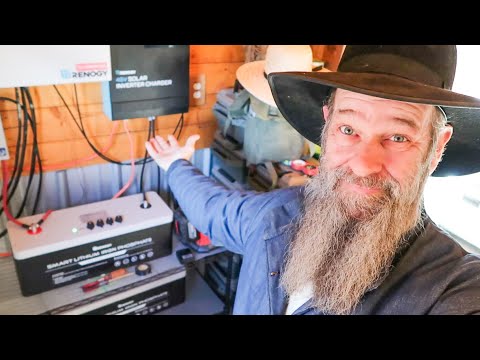
So, picture this: you’re on a camping trip, enjoying nature, when suddenly your phone dies. Panic sets in. But wait! You whip out this little solar generator and boom—you’re back in business! Seriously, it’s like magic.
Now, imagine bringing that kind of energy home. Yep, I’m talking about harnessing the sun to power up your place. It sounds cool, right? Plus, it’s sustainable!
I mean, who wouldn’t want to say goodbye to skyrocketing electric bills and hello to Mother Nature? That’s the beauty of solar generators. They’re transforming how we think about home energy.
Let’s chat about how they work and why you might just wanna hop on this solar train. Trust me—once you get the hang of it, you’ll be all about those sunny vibes!
Understanding the 20% Rule for Solar Panels: A Scientific Perspective on Efficiency and Performance
So, let’s get into the nitty-gritty of the **20% rule for solar panels**. This isn’t some magic number pulled out of thin air; it represents a pretty common efficiency benchmark in the solar energy field. Basically, when people talk about solar panels, they often mention that a good panel converts about **20% of sunlight into usable electricity**. But what does that really mean?
First off, let’s break down what “efficiency” actually refers to. Think of it as how well your solar panel can take sunlight and turn it into power you can use to run your fridge or charge your phone. If you have a panel rated at 20% efficiency, that means only one-fifth of the sunlight hitting the panel gets converted into energy, while the rest is basically wasted. So if you’re getting 1000 watts of sunlight per square meter on a nice sunny day, your 20% efficient panel will give you around 200 watts.
Now, you might be wondering why this number isn’t higher. Well, there are several factors that play into this whole performance situation:
- Material Limitations: Most solar panels are made from silicon. While silicon is super common and works great for capturing light, it’s not perfect at converting sunlight into electricity.
- Temperature Sensitivity: High temperatures can actually reduce efficiency! Think about those hot summer days; solar panels can lose performance when it’s too warm.
- Angle and Orientation: The angle and direction in which your panels are installed matter big time! Panels facing directly toward the sun will perform better than those with an awkward tilt.
Now imagine this scenario: A family moves into a new house and decides to set up solar panels on their roof. They choose high-efficiency ones that operate at around 22%. That extra couple of percentage points could mean they’re generating more power from the same amount of sunlight compared to lower-efficiency options.
But hey, let’s talk about sustainability for a sec. The cool thing about harnessing solar energy is that even if you’re only getting around **20% efficiency**, that’s still way better than burning fossil fuels for energy. You’re using something abundant—sunshine! This helps reduce greenhouse gas emissions and keep our planet cleaner.
Also worth mentioning is that as technology advances, we’re seeing improvements in these numbers! Solar researchers are constantly tinkering away to find new materials and designs to increase efficiency beyond 20%. Who knows what the future holds?
In summary, while **the 20% rule** serves as a handy benchmark for understanding how well our shiny solar panels do their job, there’s so much more under the hood when it comes to efficiency and performance in real life. So next time you see those shiny black squares on rooftops or in fields lighting up homes with renewable energy, remember all that’s going on behind-the-scenes!
Determining the Ideal Solar Generator Size for Sustainable Home Power Solutions
When you’re thinking about solar generators for your home, the size really matters. It’s not just about buying any generator; you want the right one that can power your needs without breaking the bank or leaving you in the dark. The thing is, figuring out that ideal size can feel a bit overwhelming, but I’m here to break it down for you.
First off, you need to **know your energy needs**. Take a moment and look at how much electricity you actually use in a day. You know those little devices that track your usage? They can be super helpful! Alternatively, you can check your electricity bill to see how many kilowatt-hours (kWh) you typically use monthly. This gives you a solid starting point for figuring out what you’ll need from a solar generator.
Next up is **calculating wattage**. Each of your appliances has a wattage rating, usually listed on the device itself or in its manual. For example, let’s say you have:
- A refrigerator: 200 watts
- Light bulbs: 10 watts each (for five bulbs = 50 watts)
- A microwave: 1000 watts
Now add them all together! In this case, it’s 200 + 50 + 1000 = **1250 watts** total. This means your generator should at least be able to handle this wattage at once.
Then there’s this thing called **surge power**. Some appliances need extra power when they first start up—like refrigerators and air conditioners—which might require two to three times their normal running wattage for just a few seconds. So if you’re planning on using these kinds of gadgets with your solar generator, consider adding that surge wattage into your calculations too.
Now we talk about **solar panel output**. Not all solar panels are created equal, and their output will depend on factors like sunlight availability and panel efficiency. Generally speaking, typical panels produce around 250 to 400 watts each under optimal conditions. If you’re setting up multiple panels, combine their outputs to meet or exceed the total wattage you’ve calculated earlier.
Also important is understanding how long you’ll want to run these appliances daily. If it’s just during peak hours or all day long? A bigger system might be necessary if you’re going for longer durations since you’ll need more battery storage capacity too!
Speaking of batteries—let’s chat about storage capacity. Battery storage allows you to save excess energy generated during sunny days for use when the sun isn’t shining (like at night). You’ll find battery capacity measured in amp-hours (Ah); converting this into usable kWh based on voltage gives insight into how much stored energy you’ll have available when needed.
Lastly, don’t forget maintenance and location! Ensure your system is set up where it gets maximum sunlight exposure and regularly check up on everything so that it remains efficient over time.
By piecing together all these bits—energy needs, wattages from devices, surge requirements during startup times, solar panel outputs and battery capacities—you’ll get closer to finding that perfect solar generator size for sustainable home power solutions!
Seriously! It sounds complicated but take it step by step; before long you’ll find what’s best suited for powering your space sustainably!
Maximizing Solar Energy Efficiency: Innovative Approaches and Scientific Insights
Maximizing solar energy efficiency is a hot topic these days as we all look for ways to use sustainable energy solutions. You know, harnessing the sun’s power can be pretty powerful, especially for homes. But how do you actually get the most out of it? Let’s take a closer look at some innovative approaches and scientific insights that can help make solar energy work better for you.
1. Solar Panel Orientation and Angle
The way you position your solar panels is super important. A common rule of thumb is to tilt them at an angle equal to your latitude. So, if you live in a place that’s 30 degrees north, tilt your panels at around 30 degrees too. Adjusting this angle throughout the year can really boost your efficiency by capturing more sunlight.
2. Smart Inverter Technology
Inverters are like the brain of your solar energy system. They convert the sunlight captured into usable electricity for your home. Some newer models have smart tech that optimizes how much energy you’re getting even during cloudy days or when shadows are cast. It’s like having a sidekick making sure you’re not missing out on any rays!
3. Bifacial Solar Panels
Think about this: bifacial panels can capture light from both sides! These panels can be installed on reflective surfaces like white roofs or with light-colored gravel under them to catch sunlight bouncing back up. This approach allows them to harvest even more energy compared to traditional panels stuck in one direction.
4. Tracking Systems
Ever seen those solar panels that move throughout the day? Those are called tracking systems! They follow the sun’s path across the sky, keeping them perpendicular to its rays all day long. This movement can increase energy production by 25-40%. It’s kind of like dancing with the sun—following its lead for maximum benefit!
5. Energy Storage Solutions
Okay, so you’ve got all this sweet solar energy being generated during sunny days; what about nighttime? This is where battery storage comes into play! Modern batteries store excess power so you can use it when the sun isn’t shining anymore, effectively allowing for a continuous supply of renewable energy.
6. Regular Maintenance
A bit of TLC goes a long way! Keeping your panels clean from dirt and debris is essential for maintaining efficiency. You wouldn’t let dust pile up on your favorite windowsill, right? Regular check-ups ensure everything runs smoothly and efficiently—like getting an oil change in your car!
Anecdote Time!
I remember visiting a friend who had just installed solar panels on their roof. At first, they were skeptical about whether it would make a difference at all—but wow! After just one month, their electricity bill dropped significantly! They were practically jumping up and down excitedly over their newfound savings while feeling good about using renewable energy.
The bottom line is that with some innovative approaches and slight adjustments to how we utilize solar power, we can really maximize its benefits in our homes! The technology keeps evolving—and so should our methods when harnessing nature’s free energy source, right?
You know, when I think about solar generators, I’m reminded of that summer day when my friend and I decided to camp out in her backyard. We set up our little tent and wanted to enjoy the outdoors without sacrificing the comforts of home. So, we brought along this small solar generator we had borrowed from her dad. It was incredible! As the sun blazed overhead, we plugged in a couple of lights and even charged our phones. That moment opened my eyes to how powerful and versatile these solar generators can be.
So, here’s the deal: solar generators capture sunlight through panels and convert it into electricity. Sounds cool, right? And the best part is that they’re a clean energy source! Unlike conventional generators that run on gas or diesel, which can be pretty nasty for the environment, solar generators don’t emit harmful fumes. Just sunlight powering your devices—how nice is that?
Now, let’s get real for a second. The initial cost of going solar might give you a bit of sticker shock. Those panels and batteries aren’t cheap! But think about it like investing in your health—like buying organic food or hitting the gym; there are upfront costs but long-term benefits really add up. Once you have your system running smoothly, you could save quite a bit on electricity bills over time. Plus, there are often incentives or tax credits that can help ease that financial burden.
And it’s not just about saving money; it’s also about being responsible stewards of our planet. With climate change knocking at our doors—and let me tell you, it’s not polite—we’ve got to consider how we can minimize our carbon footprint. Utilizing solar energy feels like an act of kindness towards Mother Earth.
But here’s something to ponder: what if everyone used solar power? We’d be reducing reliance on fossil fuels and promoting energy independence! Imagine a world where communities banded together to share their excess energy produced by these generators—kinda feels like living in one big eco-friendly neighborhood.
Still, it’s not all sunshine (pun intended!). Weather can affect performance—you know those gloomy days where it just seems like the sun refuses to come out? Yeah, those can put a damper on your power supply if you’re relying solely on solar energy. But hey! Many folks combine different sources—a little backup power from traditional grids or batteries helps keep things running during those rainy spells.
So yeah, harnessing solar generators for home use feels like grabbing onto an opportunity for sustainable living while treading lightly on our planet. It might take some effort upfront—like researching products or figuring out installation—but once you experience that satisfaction of generating your own clean energy? Totally worth it! It makes me hopeful for what we can achieve together as we embrace smarter ways to power our lives sustainably.