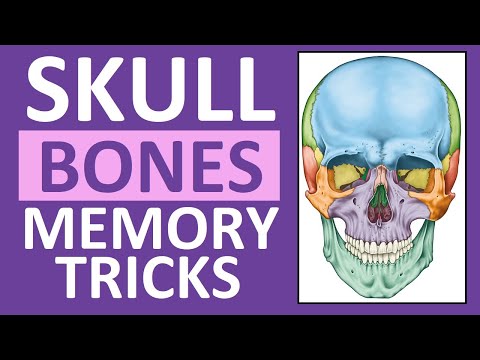
You know that moment when you try to eat something super spicy, and your face just goes through like a million emotions? Those little muscles in your skull are working overtime, trust me!
Skull muscles might not be the first thing you think about when it comes to anatomy, but they’re like the unsung heroes of our daily lives. Seriously, without them, we’d struggle with everything from chewing to frowning at awkward moments.
Ever found yourself trying to hold back laughter in a serious situation? Yeah, those muscles help you manage that too! They play a huge role in expressions and movement, making us humans all the more relatable.
So, let’s dig into this fascinating world of skull muscles and see what makes them tick. I promise it’ll be way cooler than you imagine!
Exploring the Four Key Functions of the Skull in Human Anatomy
The human skull is, like, a super interesting structure. It does way more than just hold your brain in place. Let’s check out the four key functions of the skull that are essential to our anatomy.
1. Protection: The most obvious function is protection. The skull acts like a hard shell that keeps your brain safe from injury. Imagine playing soccer and taking a ball right to the head—without that sturdy skull, things could get pretty messy! So, it’s really important for keeping our most vital organ secure.
2. Support: Another major job of the skull is to support facial structures and bones. Think about all the different parts of your face: your eyes, nose, cheeks—all of these have a spot in the skull. This support helps us not only look distinct but also allows for functions like speaking and eating!
3. House for sensory organs: The skull also provides housing for your sensory organs. Do you enjoy savoring food? Your taste buds wouldn’t be available without a well-structured skull! Plus, it holds up your eyes for sight and ears for hearing too. Without this bony framework, our daily experiences would really lose their richness.
4. Muscle attachment: Lastly, let’s not forget about muscles! Your skull isn’t just sitting there; it has lots of muscles attached to it that help with movement and function. For example, when you chew or smile, those muscles pull on points throughout the skull to make those actions happen smoothly.
So basically, the human skull is way more than just bones fitting together; it’s an incredible structure with several vital roles that keep us functioning day-to-day!
Exploring the Functions of Head Muscles: Insights into Human Anatomy and Physiology
When we think about muscles, we often picture those big ones in our arms or legs. But did you know that the muscles in your head do some pretty amazing stuff? Let’s break it down a bit.
First off, let’s talk about facial expression. The muscles around your cheeks, mouth, and eyes are responsible for what you show to the world. Ever felt super happy and smiled so wide that your cheeks hurt? That’s because of the zygomaticus major, one of the key muscles that helps lift your lips.
And it’s not just happiness! These muscles can express surprise, anger, and sadness too. Think about the last time someone told you something shocking, and your eyebrows shot up; that was probably your frontalis muscle doing its thing.
Next up is mastication, which is a fancy word for chewing. Yup, those head muscles help us munch on everything from crunchy apples to chewy steak. The main players here are the masseter and temporalis. When you bite into a sandwich, these powerful muscles work together to move your jaw up and down—like a well-oiled machine!
Now let’s not forget about swallowing; it’s more complex than you might think! The head has several muscles working together to push food down your throat. Muscles like the mylohyoid are crucial here, literally pulling things down into the esophagus while you swallow.
Ever felt tension or pain in your jaw after a long day? That could be due to stress affecting another set of head muscles called muscle tightness or TMJ (temporomandibular joint) issues. This happens when your jaw is overworked or misaligned due to grinding teeth—yikes!
And guess what? Our skull muscles even play a role in helping us breathe properly! The sternocleidomastoid, for instance, helps with turning our heads but also works when we take deeper breaths. So essentially, when you’re gasping for air after running up a flight of stairs, these guys are helping out too.
Lastly, these muscles even assist with some basic protective functions. The neck muscles hold up our heads like champions while keeping our fragile brain safe inside the skull—a true example of form meeting function!
So there you have it! From expressing emotions and chewing food to playing crucial roles in breathing and protection—head muscles are far more than just decoration on our bodies! Isn’t it wild how much they do every single day?
Exploring the Strongest Muscle in the Skull: Insights from Anatomy and Physiology
Let’s talk about the strongest muscle in the skull. You might be surprised to learn that it’s not what you’d usually think. It’s called the masseter, and it’s a powerhouse when it comes to chewing. Like, seriously, this muscle is all about helping you munch through your favorite foods.
The masseter is located at the back of your jawbone. It starts at your cheekbone and moves down to your lower jaw, creating a kind of bridge. When you bite down, this muscle contracts and generates an insane amount of force. To give you an idea, it can create pressure of over 200 pounds! That’s like trying to bite a thick carrot with all your might—pretty impressive, huh?
But there’s more to these skull muscles than just chewing. The muscles around your skull help with facial expressions too. Ever notice how you’re able to frown when you’re upset or smile when you’re happy? Yeah, that’s thanks to the muscles working in tandem with each other.
Here are some key points about skull muscles:
Now let’s not forget the temporalis, another important muscle connected to our skull. It’s located on the side of our head and plays a key role in closing our jaw along with the masseter. It’s like having an entire team that makes sure we can enjoy our meals without much hassle.
It’s kinda wild when you think about it—these tiny but mighty muscles work together day in and day out, making sure we can live life fully. I remember once trying this super chewy candy; my jaws were aching after just a few bites! But it also made me appreciate how much effort goes into simply enjoying food.
So yeah, understanding these skull muscles gives us insight into both their basic functions and their fascinating roles in our daily lives. The intricate dance between them helps us not only eat but also express ourselves—something even a simple smile can do wonders for!
Alright, so let’s chat about skull muscles. You might think they’re just these random bits of tissue floating around, but trust me, they play some seriously fascinating roles in how we go about our daily lives.
Picture this: you’re laughing with friends, and your facial muscles are working overtime. Those tiny muscles around your cheeks and mouth—the zygomaticus major and minor—are kicking in, helping you smile like a goofball. It’s wild how those little guys can convey so much feeling with just a twitch or a pull. It reminds me of that one time I tried to hold back laughter during a serious meeting. You know the struggle! My face was totally doing its own thing while I tried to stay composed.
So, skull muscles don’t just help us express emotions; they’re crucial for eating and speaking too. The masseter muscle is the real MVP here—it’s like the heavyweight champ of jaw muscles. When you take a bite of your favorite burger (you know which one I’m talking about), that muscle is working hard to chew it up! And it gets even cooler when you think about how these muscles coordinate with each other to make our speech possible. It’s like an intricate dance happening right under our skin.
But wait, there’s more! The neck muscles also play a role in keeping everything aligned and balanced. Muscles like the sternocleidomastoid help us turn our heads and look around without feeling like we’re stuck in one position all day long. Can you imagine going through life without being able to glance over your shoulder when someone calls your name? You’d end up looking pretty silly!
One aspect that blows my mind is how these skull muscles connect to our emotions and social interactions too. The way we use them can tell stories—like when someone raises an eyebrow in disbelief or furrows their brows when confused. It’s as if every little muscle has its own personality!
But yeah, it’s important not to forget that these functions can be affected by things like stress or fatigue, making us feel all out of whack sometimes. Ever noticed how tense your jaw feels after a long day? That’s those hardworking masseters getting overwhelmed.
So yeah, next time you’re laughing till your stomach hurts or chomping down on something tasty, give a little nod of appreciation to those incredible skull muscles doing their thing! They might be small players in the grand scheme of anatomy, but they really pack a punch in terms of function and expression—pretty cool if you ask me!