You ever hear about those folks who can just eat anything and still look like fitness models? It’s like they hit the genetic lottery.
Well, a chunk of that luck might come from something called a homozygous dominant genotype. Sounds fancy, huh? But it’s really just a way of saying that certain traits are shining bright because of their genes.
Imagine if you could peek inside someone’s cells and see why they have big curls or strong muscles. That’s what we’re getting into here! Genetics is wild—it’s like a recipe book for everything that makes us unique.
So let’s unravel this whole homozygous thing together, shall we? It might even make you appreciate those quirks in your friends or family a bit more!
Understanding Homozygous Genotypes: Key Characteristics and Implications in Genetics
When we talk about **homozygous genotypes**, we’re diving into the basic building blocks of genetics. So, let’s break it down simply.
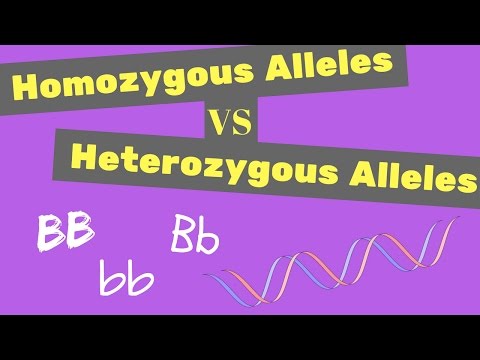
First off, a **genotype** is basically the genetic makeup of an organism. Think of it like the instruction manual for how to build and operate that organism. Now, when we say something is **homozygous**, it means that both alleles (the variations of a gene) for a particular trait are the same. This can be either dominant or recessive.
So what does this mean? Well, let’s imagine you’ve got a gene for flower color in a plant. If one allele tells the plant to make purple flowers and another one says green, then these two alleles are different—this plant would be considered **heterozygous**. But if both alleles say purple? You’ve got yourself a homozygous dominant genotype!
Here’s where it gets interesting: when it’s homozygous dominant—like having two purple-flower instructions—all offspring variations will also likely express that same characteristic unless other factors come into play.
Key Characteristics:
- Uniformity: Homozygous genotypes ensure uniform traits in offspring. If you cross two homozygous dominant plants, you’ll always see those purple flowers sprouting up.
- Predictability: You can predict offspring traits based on parental genotypes since all alleles are identical.
- Disease Resistance: Sometimes being homozygous can mean more resistance to diseases if those alleles provide protective traits.
Now, let me share a little story with you. Back in biology class, I remember learning about peas and Mendel’s experiments with them. He found that some pea plants were homozygous for round seeds (RR) while others were heterozygous (Rr). The cool thing was that in every single case where he mixed these plants, round seeds always popped up! That’s the power of being homozygous dominant—those traits just shine through.
Implications in Genetics:
- Breeding Programs: In agriculture or animal breeding, knowing if an organism is homozygous can help breeders select desirable traits.
- Disease Susceptibility: Being strictly homozygous can sometimes lead to issues like decreased genetic diversity and higher susceptibility to diseases.
- Genetic Testing & Counseling: When understanding inherited conditions, knowing whether someone has a homozygous genotype helps assess risk factors for future generations.
So that’s the deal with **homozygous genotypes**! They shape not only how organisms look but also their ability to withstand challenges and pass on their genes effectively. It’s pretty amazing how this tiny concept plays such a big role in the world around us!
Understanding the Genotype of Homozygous Dominant Offspring in Genetics
So, let’s talk about something that might sound super complex but is actually pretty cool: the genotype of homozygous dominant offspring in genetics. You might be asking yourself, “What the heck does that even mean?” Well, you’re not alone! It can be a little confusing at first, so let’s break it down together.
First off, genotype refers to the genetic makeup of an organism. It’s like the blueprint for all the traits that an organism can have, whether it’s a plant or an animal. When we say someone is homozygous dominant, we’re talking about a specific combination of these genes.
You see, genes come in pairs because they inherit one from each parent. If both genes in a pair are the same and are dominant, that’s what we call homozygous dominant. For example, let’s say we’re looking at flower color. If purple (let’s give it the letter “P”) is the dominant color, then a flower with two purple alleles (PP) would be homozygous dominant.
- Homozygous Dominant Genotype: This means both alleles are identical and dominant.
- Trait Expression: Traits expressed will always follow this dominance; hence if they’re homozygous dominant for purple petals (PP), they’ll always show purple petals.
- Punnett Squares: These handy little tools help you visualize how traits might be passed to offspring when you cross homozygous plants with other genotypes.
The neat thing about being homozygous dominant is that these individuals will consistently express that trait—no guessing games involved! Think of it this way: if you’re playing a game and you have a full house every time you play (like always drawing PP), you know exactly how your flower garden will turn out!
A little backstory here: I used to have this obsession with plant breeding as a kid; I remember planting seeds with my grandfather. He explained how each seed had its own unique genetic code and that some would grow up to be tall plants while others stayed short. It’s fascinating how such tiny differences can lead to so much variety!
Talking about offspring specifically, when you breed two homozygous dominant plants (like those PP ones), all their baby plants will also be PP. This means they’ll all exhibit those desired traits without fail! It’s like guaranteed outcomes in a world full of possibilities.
This concept isn’t only limited to flowers; think of animals too! In dogs for instance, consider coat colors where black is dominant over brown—if two black-coated dogs are homozygously dominant (BB), they’ll only produce puppies with black coats!
Moral of the story? Understanding genotypes like homozygous dominants helps us grasp not just how traits pass on through generations but also how we can influence those traits in agriculture or animal breeding. Such knowledge really opens up exciting doors for improving species and creating biodiversity! Pretty amazing stuff when you think about it!
The bottom line is that knowing about these genetic mechanisms gives us power—a way to predict and even manipulate what comes next in our natural world. And that’s something worth getting excited about!
Understanding Heterozygous Genetics: Implications for Science and Research
Understanding genetics can seem a bit complicated, but let’s break it down together. We’re talking about heterozygous and homozygous genotypes, which are basically ways to describe the genetic makeup of an organism.
So, what’s the deal with these two terms? Well, a **homozygous dominant** genotype means that the individual has two identical alleles for a particular trait. Think of it like having two copies of the same favorite song on your playlist—totally great if you love that song! For example, if both alleles for flower color in pea plants are purple, that plant will definitely produce purple flowers.
On the flip side, we have the **heterozygous** genotype. This is when you have two different alleles for one trait. It’s like having a playlist with your favorite song and a totally different one you enjoy sometimes. For instance, if one allele is for purple flowers and the other is for white flowers, that plant has both traits hanging out together. What you might notice is that often, in such cases, the dominant trait (like purple) overshadows the recessive one (like white).
Now let’s get into why this matters. Heterozygosity can be a big deal in terms of genetic diversity and resilience. Diverse genes mean better adaptability to changing environments. If all plants were homozygous for one trait, they might struggle with diseases or changes in climate because there wouldn’t be enough variation in their genetic makeup to handle new challenges.
Here are some key points to think about:
- Genetic Variation: Heterozygous individuals tend to be more resilient.
- Disease Resistance: They often have better survival rates against pathogens.
- Breeding Programs: Farmers often prefer heterozygous plants as they may yield better crops.
A quick personal story comes to mind here! When I was younger, I had a friend who loved to collect rare plants. He had some heirloom tomatoes that were super diverse genetically—mixes from different types he’d gathered over years. These tomatoes were always juicier and more flavorful than others we found at the store! That diversity made them stronger against pests and diseases.
In research settings too, understanding whether organisms are homozygous or heterozygous can change everything from breeding strategies to conservation efforts. By focusing on maintaining genetic diversity through heterozygosity, scientists can help ensure plant species adapt over time rather than becoming vulnerable due to uniformity.
To wrap things up—heterozygous genetics play an important role not just in individual traits but also in how populations survive and thrive as environments change around them. So next time you see those purple flowers or even bite into a delicious tomato, remember there’s some fascinating genetics behind all that!
So, let’s talk about something that’s just kinda neat: the homozygous dominant genotype. You know, genetics can sound all stuffy and complicated, but it’s really just the story of how traits get passed down from one generation to the next. And at the heart of this genetic tale are these little things called alleles.
Now, picture this: you’re hanging out with your friends and you all decide to do a little genetic spin on who gets what traits. If everyone in your circle has the same “recipe” for, say, blue eyes or curly hair—like everyone has two copies of the same dominant allele—you’d say that trait is homozygous dominant. It’s like having double tickets to a concert; you’re definitely getting in!
I remember once sitting with my younger cousin who was super curious about why he had straight hair while his dad sported some wild curls. We ended up talking about how traits work, and it hit me how fascinating it is. I mean, even if both parents have some curly genes floating around (like those hidden recessive alleles), if one of them carries that strong dominant gene for straight hair, boom! My cousin’s got straight locks.
So when we think about homozygous dominants—like those double tickets—they can really shape what we see in ourselves and others. In plants or animals too! Ever notice how certain flowers bloom with vibrant colors? That brightness often comes from those homozygous dominant genotypes at play.
But here’s where it gets even more intriguing: It doesn’t mean every homozygous dominant trait will always shine through in every situation. Environmental factors can mix things up a bit too—like how sunlight can affect flower colors or temperature can influence animal fur thickness.
In a nutshell, understanding these homozygous dominant genotypes gives us a peek behind the curtain of inheritance and variability in life around us. We get to see that even though we might inherit dominant traits from our parents, there’s always more than meets the eye—literally! And isn’t that just part of what makes the ride so exciting?