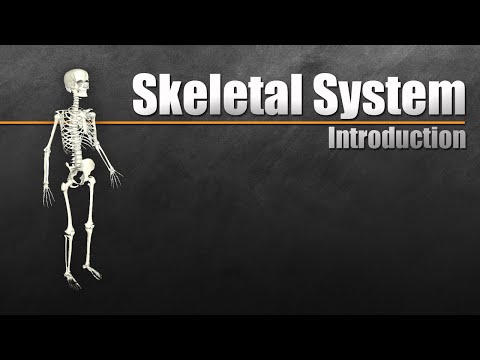
You know, the human body is like a crazy construction site, right? All these bones holding you up, keeping everything in place. It’s kinda wild when you think about it.
I remember when I was a kid, I rode my bike down this steep hill. You can guess what happened. Yup! I crashed and landed on my elbow. Ouch! But hey, that little bone did its job and healed up like a champ.
Anyway, our skeletal system is way more than just a bunch of bones. It’s like your body’s framework and even has some cool tricks up its sleeve. Want to know what makes it so awesome? Buckle up—let’s take a closer look at the key components of this incredible system!
Exploring the Four Essential Functions of the Skeleton in Human Anatomy
So, let’s chat about your skeleton. I mean, it’s literally the framework that holds you up! The human skeletal system is super important, and it actually has four main functions. This isn’t just some boring anatomy lesson—this stuff is what makes us who we are, you know?
1. Support
First off, the skeleton provides support for your body. Think of it like a building’s scaffolding. Without bones, we’d be a mushy pile on the floor! Our bones give shape to our bodies and help us stand tall. Without them, we couldn’t do simple things like sit or walk around.
2. Protection
Next up is protection. Your skeleton is like a suit of armor for all your vital organs. For example, your skull keeps your brain safe from bumps and bruises while your ribcage protects your heart and lungs from outside forces. Seriously, imagine if all those delicate parts were just floating around with no hard cover—yikes!
3. Movement
Now let’s talk movement! Bones don’t act alone; they’re part of a team with muscles and joints working together to get you moving. When muscles contract, they pull on bones like levers to help you run, jump or even wiggle your toes! It’s pretty amazing how this system lets you dance at parties or just chase after an ice cream truck.
4. Blood Cell Production
Finally, there’s blood cell production—a real behind-the-scenes function that most people overlook. Inside certain bones (like your hips and spine), there’s this spongy stuff called bone marrow that creates red blood cells to carry oxygen around the body and white blood cells that are crucial for fighting infections. So yeah, without a solid skeleton doing its thing internally, you’d be in big trouble.
In short—your skeleton isn’t just a bunch of bones lying about; it’s essential for support, protection, movement, and blood cell production! So next time someone mentions “skeleton,” remember it’s working hard every day to keep you functioning like the awesome person you are!
Exploring the 5 Key Components of the Human Skeletal System: Insights into Human Anatomy
The human skeletal system is like the framework of a house. It provides structure, support, and protection for everything inside. Understanding its key components can give you an insight into how our bodies work. Let’s break this down.
1. Bones
Bones are basically the building blocks of the skeleton. There are about 206 bones in an adult body, each with a unique shape and job. Some bones, like your skull, protect your brain, while others, like your femur (the thigh bone), help you move around.
2. Cartilage
Cartilage is that smooth tissue found at the end of bones and in places like your nose and ears. It’s super flexible but strong—think of it as a cushion that helps joints move smoothly without grinding against each other. When you were a kid, your ears were mostly cartilage; that’s why they’re all bendy!
3. Joints
Joints are where two or more bones meet up. They help facilitate movement and provide stability to your skeleton. Some joints allow for lots of movement—like your shoulders—and some are more fixed, like the ones in your skull that keep everything snug and tight.
4. Ligaments
Ligaments are tough bands of connective tissue that connect bones to other bones at joints. They’re pretty crucial because they help stabilize those joints during movement and keep everything in place so you don’t end up, I don’t know, dislocating something at the worst moment possible.
5. Tendons
Tendons connect muscles to bones, meaning they play a huge role in helping you move! When you flex a muscle, it pulls on the tendon which then pulls on the bone it’s attached to—this is how you kick a ball or wave hello!
So here’s the deal: all these components work together seamlessly to keep us upright and functioning properly every day. Next time you’re running or even just sitting at your desk, take a moment to appreciate this amazing structure that’s allowing you to do all that! It might sound simple but trust me; our bodies are wildly complex little machines!
Essential Elements of the Human Skeletal System: Functions and Significance in Human Anatomy
So, let’s talk about the human skeletal system. It’s like the framework of a house—without it, things would be a total mess! Your skeleton is made up of bones, cartilage, and ligaments, and it does a whole lot more than just keep you upright.
First off, let’s break down what makes up this amazing system. The human skeleton has around 206 bones in an adult. That might seem like a lot, but when you’re born, you actually have about 270 bones. Some of those bones fuse together as you grow up—which is pretty wild if you think about it. Anyway, here are some essential elements worth noting:
- Support: Bones provide structure to your body. It’s like the scaffolding that holds everything else in place.
- Protection: Your skeleton shields vital organs—like your brain is protected by your skull and your heart by your ribcage.
- Movement: Muscles attach to bones via tendons. When muscles contract, they pull on the bones to create movement. It’s a perfect team effort!
- Mineral storage: Bones hold important minerals like calcium and phosphorus. When your body needs these minerals for various functions (like muscle contractions), it can draw from your bones.
- Blood cell production: Inside certain bones is bone marrow. This is where red blood cells are made which carry oxygen throughout your body.
Now, if we zoom in on some specific parts of the skeleton—each plays its own role! The long bones in your arms and legs (like the femur) are vital for mobility; they act as levers that enable movement. Then there are short bones (like those in your wrists), which provide stability but allow for flexibility.
Let me tell you a little story to illustrate how awesome this all works together. So picture yourself playing soccer—you run fast towards the ball, feeling every muscle work together as you kick it into the goal! But behind that agile movement is a complex system at play: your leg muscles pulling on long bones like the tibia and fibula to allow for that powerful kick while other small joints help adjust direction rapidly.
And what about those pesky injuries? A fracture can really disrupt everything since it means those mechanics are off balance while healing takes place—leaving you hobbling around for weeks or months!
In conclusion—or maybe I should say as we wrap this up—your skeletal system isn’t just a bunch of random bones thrown together; it’s meticulously designed to support life in so many ways. From protecting organs to allowing us to dance or jump or simply walk around—it truly deserves a shoutout for all its hard work!
You know, it’s funny how we often take our bones for granted. I mean, think about it. They’re like the unsung heroes of our bodies, quietly holding us up and keeping everything in place while we go through life. If you’ve ever broken a bone (and, believe me, that can be quite the wake-up call!), you realize just how crucial they are.
So let’s chat a bit about what makes up this fascinating skeletal system of ours. You’ve got 206 bones hanging out in an adult body, and each one has its own story and job. For instance, the skull is like the fortress protecting your brain; without it, well, things would get messy fast! And those ribs? They’re your chest’s personal bodyguard—keeping your heart and lungs safe while making sure you can still breathe without feeling squeezed.
Then there are the long bones, like your femur or thigh bone. It’s not just a long stick; it actually helps with all that running or dancing you love to do. And trust me when I say that when you jump around or go for a run, those bones are working hard to support you!
But here’s where it gets interesting: not all bones are made equal! Some are like dense little powerhouses—think of your vertebrae in the spine—while others are lighter and more flexible. Ever seen a baby’s skull? It’s softer in places so that their heads can adjust as they grow!
Now, imagine yourself as a tiny kid again. Remember when you fell off your bike or got bumped during an impromptu game of tag? Those moments were probably full of scrapes and bruises but also showed how resilient our skeletal system is! Bones have this amazing ability to heal themselves after injury—seriously! It’s like they go into repair mode as soon as something goes wrong.
But here’s where it gets really cool: did you know bones aren’t static? They’re living tissue that’s constantly changing! Your body is busy breaking down old bone material while building new stuff all the time. It’s kinda wild when you think about how dynamic our bodies really are.
So next time you’re out doing something active or even just standing around casually chatting with friends, take a moment to appreciate those hardworking bones of yours. They might be hidden beneath skin and muscle—but trust me, they’re always there supporting every step you take!