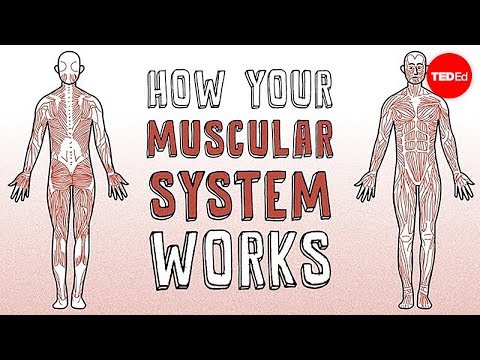
Have you ever tried to stretch after a long day and felt like a giant rubber band that’s been left out in the sun too long? I mean, seriously, it’s like your body just refuses to cooperate sometimes!
Well, that’s your muscles talking. They’re amazing little (or big) guys that help us do all sorts of stuff, from lifting heavy groceries to jumping up in excitement when you see a friend.
Your muscular system is like this intricate web of power and flexibility. It’s what lets you dance, run, or even just give your buddy a high-five. Pretty cool, right?
So let’s have a chat about the key components of this system—because understanding how your muscles work is kinda like knowing the secret ingredients in your favorite pizza recipe. You don’t wanna miss it!
Exploring the Seven Major Muscles of the Human Body: Functions and Significance in Anatomy
Oh, muscles! They’re like our body’s movers and shakers, right? Let’s go through the seven major muscles of the human body. Each one has its own special job to keep us moving, functioning, and doing all the things we love. So here’s a quick rundown:
1. Pectoralis Major: This big muscle is right in your chest area. It’s responsible for moving your arms forward and across your body. When you do push-ups or hug someone, thank this muscle!
2. Deltoid: Located on the shoulder, this muscle is shaped like a triangle—hence the name! It helps lift your arm in different directions. Think about raising your hand in class or throwing a ball; that’s your deltoid working hard.
3. Biceps Brachii: Often just called “biceps,” this one’s on the front of your upper arm. It helps bend your elbow and turn your palm up—like when you’re flexing to show off those guns or grabbing a drink.
4. Triceps Brachii: Sitting at the back of your upper arm, this muscle does the opposite of what your biceps does—it straightens your elbow. When you push something away from you or do dips, it’s all triceps action!
5. Rectus Abdominis: You know that muscle everyone aims for when doing crunches? Yup, that’s it! These abs help with posture and support other muscles when twisting or bending at the waist. They also give you stability while doing any heavy lifting.
6. Quadriceps Femoris: This one’s a group of four muscles located at the front of your thigh. When you kick a soccer ball or stand up from a chair, guess which muscles are doing all that work? Yep—your quads are definitely in charge!
7. Hamstrings: Found at the back of your thigh, these muscles help bend your knee and extend your hip joint—super important for running and jumping! If you’ve ever tried to stretch those tight hamstrings after exercise, you’ll know they’re pretty influential.
Muscles are way more than just strong; they play vital roles in how we live our everyday lives! Each muscle contributes to our overall strength and stability, allowing us to perform basic actions that seem so simple but actually require coordination between different parts of our bodies.
So there you have it—those seven major muscles work together like an orchestra! Each one has its unique role but still plays a part in keeping everything harmonized as we move around daily. Not bad for a bunch of stretchy fibers, huh?
Exploring the 7 Essential Components of the Human Muscular System: A Scientific Overview
Sure, let’s chat about the human muscular system! It’s pretty amazing how our bodies work, right? There are seven key components to this system that really stand out. These components are essential for everything from walking to dancing. So, without further ado, let’s jump into it!
Skeletal Muscles
These are the muscles you can see and feel on your body. They help us move around by attaching to our bones. When you want to pick up something or run a mile, it’s your skeletal muscles doing the heavy lifting—literally! They’re called voluntary muscles because you control them when you decide to move.
Cardiac Muscle
Now, let’s talk about cardiac muscle. This one is unique because it only exists in your heart. It works non-stop, pumping blood throughout your body. Isn’t it wild how it just keeps going without me or you telling it to? This involuntary muscle is crucial for keeping us alive.
Smooth Muscles
Smooth muscles are like the unsung heroes of your body. You find them in places like your stomach and blood vessels. They help move things along without you having to think about it at all! So whether food is traveling through your digestive tract or blood is flowing through veins, smooth muscles got it covered—all automatically!
Tendons
Think of tendons as the tough little guys connecting muscles to bones. These fibrous tissues ensure that when a muscle contracts, movement happens! For example, when you flex your bicep to lift something heavy, it’s actually your tendons pulling on the bones in your arm that make that happen.
Fascia
Next up is fascia; this is basically a web of connective tissue surrounding all your muscles and organs. It plays a big role in helping everything stay organized and working together smoothly—like a well-oiled machine. Imagine trying to run without all those connections holding everything in place; chaos would reign!
Aponeuroses
Now here’s something interesting: aponeuroses. These serve a similar purpose as tendons but are wider and flatter. They connect muscles to other muscles or even skin sometimes! Think of them as the big brother of tendons, helping distribute force over a larger area.
Nerves
Last but not least are nerves—they’re the communication lines for our muscular system! Nerves send signals from the brain telling muscles when and how to move. If you’ve ever felt that jolt when touching something hot? Yup, that’s nerves working their magic so fast!
So there you have it: seven essential components of our muscular system! Each piece has its role in making sure we can move gracefully through life—from swinging on monkey bars to just enjoying a nice walk in the park. Remember appreciating this intricate setup next time you’re bouncing around or relaxing on the couch—it’s all thanks to these incredible parts working together!
Exploring the Three Essential Components of the Human Muscular System in Scientific Context
So, let’s chat about the three essential components of the human muscular system. You might think of muscles as just these bunches of tissue that help you move, but there’s way more to it. The human muscular system is actually a bit like a well-orchestrated team, with each component playing a unique role.
First off, we have the **muscle tissue** itself. This is where all the magic happens! Muscle tissue can be broken down into three main types:
- Skeletal muscle: This is what you typically think of when someone mentions muscles. These are the ones you use to lift weights or run. They’re called skeletal because they’re attached to your skeleton by tendons.
- Cardiac muscle: Now, this one’s super important! It makes up your heart and is involuntary, which means you can’t control it. Your heart just keeps on pumping without you having to tell it to!
- Smooth muscle: This type lines your organs and blood vessels. Think of things like your intestines or your bladder; they have smooth muscles that help move stuff around without you even thinking about it.
Next up is the **tendons**. So let me tell you, tendons are like the connectors in this whole operation. They’re tough bands of fibrous tissue that attach muscles to bones. Imagine pulling on a rope; that’s kind of how tendons work when they pull on bones to create movement. If you’ve ever had a sprain or strain, you’ve probably felt how crucial these guys are for movement.
Finally, there are **ligaments**. Now hold on—before I get too deep into this—ligaments aren’t technically part of the muscular system—they actually connect bones to other bones at joints! However, they play an essential role in stabilizing our bodies during movement and work closely with muscles during any physical activity.
Why does all this matter? Well, think about when you go for a long run or start lifting heavy stuff at the gym (maybe not too heavy if you’re just starting out!). Your skeletal muscles work hard to make those movements happen while tendons are tugging on your bones so everything stays in sync.
Without these components working together harmoniously, well… things could get pretty wobbly and chaotic inside our bodies! So next time you’re flexing those biceps or simply breathing—and yeah, even that’s thanks to your muscles—just remember there’s an entire team working together!
You know, it’s easy to take our muscles for granted. I mean, we use them every day without even thinking! Just the other day, I woke up and stretched, and that little pop in my back reminded me of how essential muscles are in our lives. They’re not just there to look good when you flex; they do a whole lot more!
So, let’s get into what makes up this fascinating human muscular system. First off, we’ve got three main types of muscles: skeletal, smooth, and cardiac. Skeletal muscles are the ones we can control—like when you raise your hand or kick a soccer ball. They’re connected to bones by tendons and help us move around. It’s like having a personal army inside your body that responds whenever you want it to!
Then there’s smooth muscle. This one’s a bit more under-the-radar since you can’t control it like skeletal muscle. It lines the walls of internal organs—think intestines or blood vessels—and helps things move along smoothly (pun totally intended!). Ever had a tummy ache? That’s your smooth muscle doing its thing while you wish it would chill out.
And don’t forget about cardiac muscle! This tough little guy makes up your heart and works tirelessly 24/7 without asking for a break. It’s like the unsung hero of our bodies. I once had a pal who ran a marathon, and it struck me that their heart had to pump like crazy the entire time—definitely something to appreciate!
Now, when you think about how these muscles function together, it gets pretty intricate. They rely on signals from our nervous system to contract and relax at just the right moments. Imagine trying to coordinate an epic dance party with your friends without any music—you’d all be stepping on each other’s toes! That’s kind of what happens if our nervous system isn’t working perfectly with our muscles.
But here’s where it gets really cool: these muscles can adapt! With exercise and training, they can grow stronger or change in other amazing ways—a bit like magic but rooted in science. Remember how sore you felt after that tough workout? It’s actually your muscles repairing themselves stronger than before.
So yeah, next time you’re out running or lifting something heavy, take a moment and appreciate those hard-working components of the muscular system within you. Each movement tells a story—you just have to listen!