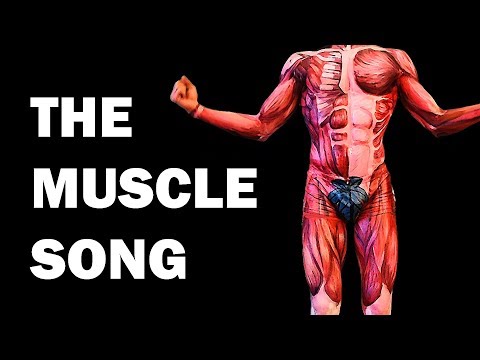
You know that moment when you try to lift something heavy and your muscles just scream “nope!”? Yeah, we’ve all been there. It’s funny and a little painful, right? But seriously, your muscles are like the unsung heroes of your body.
Ever thought about how complex they are? There are over 600 of them working together in harmony—like a big, goofy dance team! Each muscle has its own job, and trust me, they don’t take breaks.
Illustrating the human muscular system is one way to appreciate all that hard work. It’s not just about flexing those biceps or showing off at the gym. It’s about understanding how our bodies move and function every single day.
So let’s unpack this a bit! You’ll see there’s a lot more happening beneath the surface than you might think. Ready to get into it?
Comprehensive Illustrations of the Human Muscular System for Enhanced Scientific Learning
The human muscular system is like a complex, interconnected network of muscles that allows us to move, lift, and even dance. Seriously! There are over **600 muscles** in your body, working together in perfect harmony. But understanding this system can be a bit overwhelming without good illustrations.
Visual aids play a crucial role in learning about the muscular system. They make it easier to grasp how our muscles work and interact with each other. Instead of just reading about the biceps or quadriceps, you can actually see where they’re located, how they connect to bones, and what movements they facilitate.
When it comes to illustrations, detail matters. Comprehensive diagrams should include:
- Muscle Names: Each muscle has a unique name reflecting its function or location. Knowing these names makes it easier to understand what each muscle does.
- Connections: Illustrations should show how muscles attach to bones via tendons. This is key because muscles pull on bones to create movement.
- Functions: It’s super helpful if diagrams explain what movements certain muscles create—like how the hamstrings help bend your knee.
- Muscle Types: There are three types of muscle: skeletal (voluntary), smooth (involuntary), and cardiac (heart). Knowing this helps you understand their roles better.
Think about it: when you see an illustration of your arm’s anatomy while learning about lifting weights, it’s much clearer why you feel soreness in your biceps after a workout. Those visuals can stick with you longer than plain text!
Also, color-coding different muscle groups can be beneficial for learners. It creates visual cues that help differentiate between muscle types — like flexors vs extensors — making retention easier.
Personal experience? When I was studying anatomy during my college days, I struggled until I found this comprehensive textbook filled with vivid illustrations. Suddenly, everything clicked! I could visualize which muscles were working during various exercises. It shifted my entire approach to fitness.
In summary, comprehensive illustrations of the human muscular system enhance scientific learning by providing clarity through detailed labels and visual aids that highlight connections and functions. With these tools at hand, anyone can start getting familiar with how their body moves—one muscle at a time!
Comprehensive Guide to Illustrating the Human Muscular System for Enhanced Scientific Learning (PDF Download)
When it comes to understanding our bodies, the human muscular system plays a huge role. I mean, think about it – every time you move, run, or even just smile, you’re using muscles! So, diving into how to illustrate this system can really enhance your learning experience.
The first thing to consider is the basics. The human muscular system consists of over 600 muscles, which can be divided into three main types: skeletal, smooth, and cardiac. Skeletal muscles are what you think of when you picture “muscles.” They help with movements we control consciously. Smooth muscles are found in places like your stomach and blood vessels; they work automatically without you having to think about it. Cardiac muscle? That one’s special – it makes up your heart!
Now, let’s talk about how to go about illustrating this system. It’s not just about drawing; it’s about conveying information clearly. Here are some tips:
- Anatomical accuracy: Your illustrations should be correct in terms of muscle names and locations. For instance, the biceps brachii is located in the upper arm and is vital for lifting movements.
- Color coding: Using colors can really help differentiate between different muscle groups. For example, use one color for upper body muscles and another for lower body ones.
- Labeling parts clearly: Every muscle should be labeled accurately without overcrowding the illustration. This way, viewers can easily identify each one without feeling overwhelmed.
- Functionality notes: Adding notes about what each muscle does can deepen understanding. Like explaining that the quadriceps are crucial for running or jumping.
- User-friendly design: Make your layout clean! Avoid clutter so that everything’s easy to read at a glance.
An emotional connection helps too! Think back to the first time you sprinted in a race or felt those engaging arm curls at the gym. Maybe remember that ache after your first workout? That’s all thanks to these incredible muscles working hard!
If you’re keen on going further with this topic, looking at resources like anatomy textbooks or educational websites could give more insights into intricate details like muscle fibers or connections with bones (yes- they work together!). You might even consider attending workshops focused on anatomy—hands-on experiences really amplify learning!
The thing is illustration isn’t just about making pretty pictures; it’s a way of sharing knowledge visually so others can grasp complex ideas more easily. Plus, creating illustrations yourself helps reinforce what you learn along the way!
This whole journey through understanding our muscular system is not only enlightening but connects us more deeply with our own bodies and their amazing capabilities.
Comprehensive PDF Guide to Human Muscle Anatomy: Understanding the Muscles of the Human Body
When we talk about human muscle anatomy, you’ll find it’s a lot more exciting than just a bunch of names and diagrams. Muscles are the reason we can move, dance, run, or even just get out of bed in the morning. It’s like our body is a sophisticated machine where each muscle plays a role.
First off, let’s break it down a bit. The human muscular system consists of over **600 muscles**. They’re divided into three main types: **skeletal**, **smooth**, and **cardiac**. Here’s what you need to know about each type:
- Skeletal muscles are what you usually think of when you hear the word “muscle.” They’re what helps you lift weights or throw a ball. These muscles are under your control (voluntary), meaning you decide when to use them.
- Smooth muscles are found in places like your stomach and blood vessels. You don’t think about them much, but they work behind the scenes to keep stuff moving—like food through your digestive system.
- Cardiac muscle is unique because it makes up the heart. It keeps pumping without you ever having to think about it! How cool is that?
Now, let’s look at how these muscles connect to our skeleton. Muscles attach to bones via tendons, and this attachment allows for movement at the joints. If you’ve ever watched someone flex their arm, you’ve seen skeletal muscles contract and pull on bones!
But here’s where it gets extra interesting: each muscle has different parts with specific roles. There’s the **origin**, which is where the muscle starts on the bone, and the **insertion**, where it ends up pulling on another bone when it contracts. This relationship is crucial for movement.
You might be wondering why anatomy matters anyway? Well, understanding how these muscles work can help us in so many ways! If you’re into fitness or sports, knowing which muscles do what can totally change how effective your workouts are. Want stronger arms? Then you’ll focus on exercises that work those biceps and triceps specifically!
Also, sometimes things go wrong with our muscles—like injuries or conditions such as muscular dystrophy—which can impact how we move and feel in our daily lives. Knowing a bit about muscle anatomy can help you understand those issues better.
Remember that visual aids can really help here! Diagrams that illustrate muscle placement can make all this info come alive! Seeing how everything connects gives context that words sometimes can’t capture.
In summation (if I may): Understanding human muscle anatomy isn’t just for students or medical professionals; it’s for everyone who wants to know their body better! It unlocks insights into health and fitness while giving us appreciation for all the fantastic things our bodies do every day.
So next time you’re moving around—whether it’s dancing at a party or running out of coffee—remember there’s some serious science making all that happen right under your skin! Isn’t life fascinating?
Illustrating the human muscular system is like painting a really detailed picture of how our bodies move and work. I remember back in high school, when we had to draw the muscles for a biology project. I was so focused on making it look perfect that I didn’t realize how much fun I was having understanding all those different muscle groups. It was like putting together a puzzle of our own bodies!
So, let’s think about this for a second. The muscular system is all about movement—not just lifting weights or running marathons but also the little things, like blinking or smiling at a friend. When you illustrate it, you’re not just showing muscles; you’re telling a story about how we interact with the world around us.
And here’s the kicker: visual representations can make learning way easier. Seriously, it’s one thing to read about biceps or quadriceps in a textbook, but when you see them drawn out—especially labeled and color-coded—it all starts to click. You follow me? It’s like seeing those muscles come alive right before your eyes.
Plus, there’s something kind of magical about art and science coming together. When an artist takes the time to create an engaging muscle diagram, they help bridge that gap between complex terms and everyday understanding. They make it accessible for everyone: students who struggle with anatomy or even someone who’s just curious about why their arms get tired after lifting groceries.
So yeah, whether it’s for a science class or simply sparking someone’s interest in how their own body works, illustrating the human muscular system serves as this awesome tool for exploration and learning! And honestly? That mix of creativity and science is what makes education truly exciting.