So, you know those classic cartoons where someone gets bonked on the head and they hold their ribs, crumpled up in pain? It’s kind of silly, right? But it makes you realize just how important those bones really are.
The human ribs are more than just a funny punchline. They play a major role in keeping us safe and sound. Seriously! These little guys form a protective cage around your heart and lungs, like a bodyguard made of bone.
And, believe it or not, there’s so much more to them than you might think. From how they connect to other bones to their role in breathing – it’s all connected! So let’s take a peek at what makes our ribs so special in the grand scheme of our skeletal system. You ready for this?
The Role of Ribs in the Skeletal System: Understanding Their Function and Importance in Human Anatomy
So, let’s chat about ribs! You might not think about them much, but they’re actually a big deal in our bodies. Ribs are part of the skeletal system and play some seriously important roles.
Structure is the first thing to note. Ribs form a cage around your heart and lungs. This ribcage protects these vital organs from injury. Imagine you’re playing sports and take a hard fall—but thanks to your ribs, your heart and lungs are cushioned from that impact. Pretty cool, right?
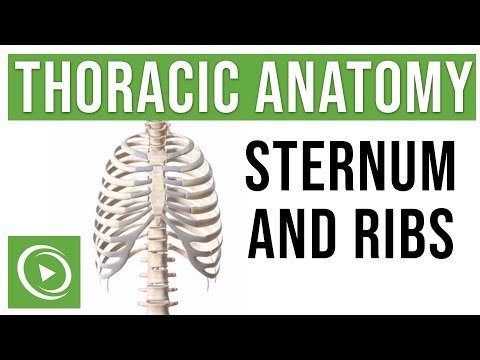
Now, there are 24 ribs in total—12 pairs! They’re divided into three categories: true ribs, false ribs, and floating ribs. The true ribs (1-7) connect directly to the sternum (or breastbone). The false ones (8-10) connect to the sternum indirectly via cartilage. Lastly, the floating ribs (11-12) don’t attach to anything at the front—they’re like those friends who show up uninvited but still fit in somehow!
Aside from protection, ribs have a role in respiration. When you breathe in, your diaphragm contracts and pulls down while your intercostal muscles (the ones between your ribs) help expand the ribcage. It’s like this coordinated dance that opens up space for your lungs to fill with air. When you breathe out, everything relaxes back into place. So every time you take a breath—it’s like your ribs are helping out without you even thinking about it!
Support is another essential function of the ribcage. It gives structure to our upper body. Without these sturdy bones, we’d be sagging all over the place like an old pair of sweatpants! They help maintain posture by giving us an upright frame.
You know what’s wild? Ribs can also help with blood production. Inside some of those rib bones is red bone marrow, where new blood cells get made! It’s not just about protection; it’s about keeping our whole system functioning well.
Let’s not forget their role in muscle attachment. Numerous muscles related to breathing and posture attach along the rib cage—these help with movement too! Like when you twist or reach for something across the table; those muscles are working hard because of where they connect on those lovely little bones.
Ribs can sometimes get injured—like breaking one from a tough hug or accidental crash during sports or just sleeping awkwardly! Ouch! If that happens, it can be painful because even breathing can hurt if you’ve got a cracked rib.
It’s pretty fascinating how such seemingly simple bones are multi-talented heroes when it comes to keeping us safe and sound. The next time you catch yourself taking a deep breath or moving around freely without thinking—you’ll have those trusty ribs to thank for all their hard work!
Understanding Human Anatomy: Do Men Have 23 or 24 Ribs?
So, let’s chat about the anatomy of our ribs, specifically diving into the question: do men have 23 or 24 ribs? It’s a topic that often stirs up some confusion. You know, it’s one of those classic bits of trivia that can leave you scratching your head.
First off, just to clear things up, most people have **24 ribs**. That’s right—12 pairs of ribs in total! Each side has one rib pair for the left and one for the right. Here’s where it gets interesting: **there are variations**. Some folks can have an extra rib or even fewer.
Now, when we break it down:
- True Ribs: The first seven pairs attach directly to the sternum (that’s your breastbone) through cartilage. These are your “true” ribs.
- False Ribs: The next three pairs (ribs 8 to 10) are called false ribs because they don’t attach directly to the sternum. They connect to each other through cartilage before linking to the sternum.
- Floating Ribs: The last two pairs (ribs 11 and 12) don’t connect to anything in front at all—they’re floating! This makes them quite unique.
If you’ve ever seen a skeleton in a science class, you know how those ribs curve around from your spine towards the front of your body. It’s like a protective cage for vital organs like your heart and lungs.
Now here’s something cool: some individuals might have an extra rib called a cervical rib. It usually grows from the C7 vertebra at the base of the neck. While it doesn’t happen often, having this extra rib can sometimes lead to health issues—like thoracic outlet syndrome—which can cause pain or numbness in your arms.
But let’s not forget that differences aside, most men and women sport those traditional 24 ribs! So if you’re ever caught in a trivia game about human anatomy and this question pops up, you now know how to answer confidently.
In summary, while we typically find **24 ribs** in humans—12 on each side—keep an eye out for those rare cases where genetics might throw a little curveball into our anatomy!
Exploring the Anatomical Causes of Pain Under the Rib Cage: Insights from Medical Science
So, let’s talk about that nagging pain under your rib cage. Seriously, if you’ve ever felt a sharp twinge or a dull ache in that area, you know how unsettling it can be. The thing is, there are quite a few anatomical reasons why this happens, and they all tie back to the fascinating structure of our ribs.
Your ribs play a crucial role in protecting some really important organs like the heart and lungs. They’re basically like a natural armor for your upper body. There are 12 pairs of ribs that curve around from your spine to the front of your chest. These bad boys can be classified into three groups: true ribs, false ribs, and floating ribs. Isn’t that cool? Each type has its own little quirks when it comes to how they attach to your sternum or just hang out on their own.
Now, when we talk about pain under the rib cage, we can’t ignore a couple of key players:
- The diaphragm: This muscle sits right below your ribs and is essential for breathing. If it gets irritated or overworked—like during heavy exercise—you might feel discomfort.
- The spleen: Found on the left side under your rib cage, if it’s inflamed (a condition called splenomegaly), you might get some serious pain.
- The liver: On the right side, this large organ can also be a real troublemaker when it comes to rib pain if it’s swollen or injured.
- The stomach: Sometimes when you’re dealing with indigestion or acid reflux, it might feel like someone’s giving you a good poke under those ribs!
And it’s not just internal organs we need to think about! Muscles and bones also play significant roles here. You’ve got intercostal muscles—the ones between each rib—that can get strained from overexertion or even sneezing too hard! Ouch! This strain can lead to sharp pains that make you wince.
A while back, I remember talking with a friend who had been experiencing this constant ache beneath their rib cage. After some poking around with doctors and tests—they found it was due to stress-related tension in those intercostal muscles. Once they knew what was up and started relaxing more? The pain vanished! It’s wild how our bodies react under pressure!
If you’re feeling persistent discomfort, it’s always worth getting checked out by a professional who understands these intricate connections. They might suggest imaging tests like an X-ray or an ultrasound to rule out any serious underlying issues.
So yeah, understanding the anatomical causes of pain under the rib cage involves piecing together quite a few elements: organs doing their jobs (or misbehaving), muscles straining under duress, and sometimes even our lifestyle choices giving us grief. It’s all connected in this web of systems working together—it’s kind of beautiful in its complexity don’t you think?
If anything’s clear here, it’s that our bodies have so much going on beneath the surface! Keep listening to what yours is saying; sometimes aches are just little reminders from our anatomy making sure we’re okay!
Alright, let’s chat about our ribs. You know, those bony structures that cradle your chest and protect those important organs like your heart and lungs? It’s pretty cool when you think about it. I mean, imagine a time when you were a kid, maybe playing tag or riding a bike. You fall down and get a little winded but you can always take a deep breath again because of these guys.
So, human ribs are part of the skeletal system, which is basically like the framework of our bodies. We have 24 ribs in total—12 on each side—and they come together with the spine to form this protective cage around our torso. They’re not just there for show; they play a crucial role. Besides guarding vital organs, they help us breathe! When we inhale, our ribcage expands; when we exhale, it contracts. Isn’t that neat?
Now let’s break it down even further—ribs are categorized into three groups: true ribs, false ribs, and floating ribs. The true ribs are the first seven pairs that connect directly to the sternum (that’s the bone in the middle of your chest). The next three pairs are called false ribs because they don’t connect directly; instead, they link up to the cartilage of the rib above them. And then you’ve got those floating ribs—two pairs that don’t attach to anything at all in front. It’s kind of like they’re just hanging out!
The thing is, while we often think about bones as stiff and unyielding structures, many rib bones can actually adapt slightly based on movement or even breathing patterns over time. There’s something almost poetic about how these bones work together in harmony with muscles to help us navigate life.
It’s also worth mentioning that every now and then people face issues with their ribs—think fractures or inflammation—and that’s where things get more complicated. Those injuries can hurt quite a lot… I remember once tripping while hiking and bruising my rib area; I couldn’t breathe deeply without feeling uncomfortable for weeks!
In short, human ribs might seem like simple things at first glance. But they’re packed with importance: protecting organs and playing an active role in respiration while adding support to our posture—all just by being there in a structured system that allows us to move freely through life. So next time you take a big breath or feel your chest expand after laughing too hard at a joke—you can thank your ribcage for keeping everything safe while letting those precious breaths flow!