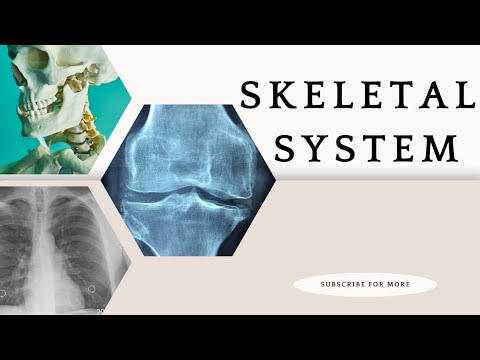
You know that moment when you trip over absolutely nothing and wonder how on Earth you didn’t just become a human pancake? Yeah, me too. Our skeletons are kinda like that unsung hero, right? You’re walking around, doing your thing, and it’s actually your bones keeping you from splatting on the floor.
But here’s the kicker: most of us don’t really stop to think about our skeletons. They’re just… there. Like that friend who shows up to every party but never says a word.
Yet, these bony buddies are way more complicated than they seem. Seriously! Your skeletal system does all sorts of stuff beyond just holding you up. So, let’s take a stroll through this incredible structure that’s hiding in plain sight. Trust me, it’s gonna be interesting!
Exploring Common Skeletal System Disorders: Understanding Challenges in Bone Health
Sure thing! Let’s chat about the skeletal system and some common disorders that can mess with our bones. The human skeleton is pretty amazing, but like anything else, it can face some challenges over time.
The Basics of Your Skeletal System
First off, your skeletal system is like a sturdy framework. It supports your body, protects your organs, and even helps you move around. Seriously, think about it—it’s not just there for show! Your bones produce blood cells and store minerals too.
Now, sometimes things can go a bit haywire with your bones. Here are a few common disorders to keep an eye on:
- Osteoporosis: This one’s a biggie. Basically, your bones become weak and brittle. It’s like they lose their strength over time, often due to aging or hormonal changes. Imagine trying to carry a heavy backpack made of paper—yikes!
- Arthritis: Sounds familiar? This refers to inflammation of the joints and can cause pain and stiffness. I remember my grandma talking about her knees hurting every time it rained; that’s arthritis for you.
- Brittle Bone Disease (Osteogenesis Imperfecta): This is where bones break easily due to poor collagen formation—a protein that helps keep bones strong. It’s kind of like having glass instead of bone. Not ideal at all!
- Scoliosis: Imagine if your spine was twisted instead of straight; that’s scoliosis for you. It’s when the spine curves sideways and can cause discomfort or breathing issues in severe cases.
- Paget’s Disease: This condition causes parts of your bone tissue to grow abnormally fast. So while some areas might become too thick and weak at the same time—it’s just confusing!
Understanding the Challenges
These disorders pose serious challenges not just physically but emotionally too. I mean, think about it: if you’re dealing with chronic pain from arthritis or worrying about fractures from osteoporosis every time you pick something up, that’s tough! The unpredictability can be frustrating.
And then there are lifestyle factors—like diet and exercise—that come into play as well. Eating enough calcium is super important because it helps keep bones strong! If you’re like me and love milkshakes or yogurt—score! If not, hey, there are other options too.
Also, weight-bearing exercises help strengthen those bones; it’s just physics! More load means more strength up to a point (don’t go too crazy though).
Coping Mechanisms
Now admittedly coping with these disorders might require a multi-faceted approach:
- A good diet rich in calcium and vitamin D.
- You know physical therapy could also help maintain mobility.
- Pain management strategies play an important role here.
So in summary? Your skeletal system is crucial for overall health but faces multiple challenges that need attention throughout life. Being proactive through diet and exercise—and maybe even getting regular check-ups—is key to staying strong!
And who knows? Maybe someday we’ll have new treatments that make those pesky conditions easier to manage—or even cure them altogether! That thought keeps me optimistic whenever I hear about bone health issues.
An Overview of the Human Skeleton and Bone Structure: Key Insights from Anatomy Science
So, you know how your entire body is like a super intricate machine? Well, the human skeleton is basically the framework that holds everything together. It’s not just a bunch of bones stacked up; it’s a complex system with tons of cool features. Let’s break it down!
The Basics of Your Skeleton
Your skeleton consists of 206 bones in adults. Kids have more, around 270, but some bones fuse together as they grow up. Crazy, right? These bones come in different shapes and sizes, each serving a special function.
Types of Bones
There are four main types of bones in your body:
- Long Bones: These are like the big guys—think femur or humerus. They help you with movement.
- Short Bones: More like cubes! Your wrists and ankles have these types.
- Flat Bones: They’re flat and protect organs, like your skull or ribs.
- Irregular Bones: These are oddly shaped and include vertebrae, which support your spine.
Each type serves its own purpose in keeping you moving and protected.
The Structure of Bone
Now, let’s talk about what bones are made of—this stuff is wild! Bone is a living tissue; it’s not just hard like rocks. It has two layers:
- Cortical Bone: This is the outer layer that’s dense and provides strength.
- Cancellous Bone: Inside that outer layer lies this spongy part that makes bones lighter while still being strong.
You can think of cortical bone as the sturdy walls of a house and cancellous bone as insulation or padding inside.
Your Skeleton Isn’t Just for Support!
Sure, one might think bones only hold things together, but they do way more than that. For instance:
- Your bones produce blood cells in a process called hematopoiesis, mainly in your bone marrow!
- Bones also store minerals like calcium and phosphorus which are super important for other body functions.
- Skeletons provide levers for muscles to pull against when you’re moving around—like pushing off when you run!
A little story pops into my head—I once tripped while running down the street (classic me!). I landed hard on my arm but didn’t break anything. That was all thanks to my strong skeleton working perfectly to absorb shock!
The Joints: The Cool Connectors
Bones don’t just float around; they connect at joints!
- Like in your skull—these guys don’t move at all!
- Slightly Movable Joints: Found in places like your spine; they let some movement but keep stability.
- This includes knees and elbows—those joints can really swing into action!
Imagine playing basketball: if your joints didn’t work well together, well—you wouldn’t be shooting hoops very effectively!
A Little Aging Insight
As you age, your skeleton goes through changes. You lose density over time due to factors like nutrition or hormonal changes. That’s why taking care of your bones with proper diet (hello calcium!) and exercise is crucial.
So there you have it—a tour through the amazing world of our skeletal system! Every twist and turn shapes who we are physically while also keeping us functioning smoothly day-to-day. Isn’t it amazing how much these bony structures play such massive roles? If only we appreciated them more when we banged them into things!
You know, the human skeletal system is kind of like the unsung hero of our bodies. It’s there, doing its thing, supporting us and keeping us upright, but we hardly ever think about it until something goes wrong. I mean, have you ever stubbed your toe? Ouch! Suddenly, you’re acutely aware of those little bones in your feet. But beyond just being a protective framework for all our organs and muscles, there’s so much more to it.
Picture this: you’re playing with a kid at the park—maybe a niece or nephew—and they start asking about why people can bend or how they can jump so high. That moment always gets me thinking. I remember when I was a kid, squatting down to tie my shoelaces and feeling all those joints flex and stretch. Back then, I might not have understood it, but each joint has a purpose. They connect bones and allow movement in ways that are pretty impressive.
The human skeleton consists of around 206 bones (give or take a few if you’re lucky enough to still have your wisdom teeth). Those bones aren’t all solid either; some are filled with bone marrow—this spongy stuff where blood cells are made! It’s wild to think that even within these hard structures, something as vital as blood is constantly being produced.
And let’s talk about the different types of bones for a sec! You’ve got long ones like your femur—it’s the longest bone in your body and basically gives you the ability to walk upright. Then there are flat bones like those in your skull that protect your brain (thank goodness for that!). Seriously though, without these bones working together like a well-oiled machine, we’d be pretty much helpless blobs.
But it’s not just about structure; there’s this whole other layer involving growth and healing. Ever broken a bone? When I broke my wrist trying to impress some friends with my skateboarding skills (spoiler alert: I fell), it blew my mind how quickly my body started fixing itself. The way our bodies mend fractures is amazing—calcium comes rushing in to repair damage while new cells work tirelessly behind the scenes.
So yeah, next time you’re getting up from the couch or taking those first steps out of bed in the morning, take a moment to appreciate what’s going on beneath your skin. The skeletal system is this marvelous network that silently supports you through life’s adventures—even if most of us don’t fully realize it until we’re reminded by an accidental bump or scrape.
In essence, while we might overlook our bones most days, they truly form the foundation of who we are—literally! And honestly? That realization makes me look at every little move I make with way more gratitude than before.