So, let me tell you a quick story. The other day, I was trying to explain to my grandma why she can’t just write “password123” as her password anymore. She looked at me like I had three heads! It’s funny how something as simple as a password can lead us into the wild world of cryptography.
Now, imagine if someone could read your secret messages without a key! Sounds like something out of a spy movie, right? But this stuff is super real and crucial for keeping our secrets safe.
That’s where asymmetric cryptography comes into play. It’s this cool concept that lets us send super-secret messages without worrying that someone is eavesdropping. It’s like sending a letter through the mail but with a magical lock and key system!
In the world of scientific research, this tech plays a big role in keeping data safe and secure, you know? So let’s dive into this fascinating topic together—it might just change the way you think about your next online chat!
Exploring the Major Challenges of Asymmetric Key Cryptography in Scientific Research
Asymmetric key cryptography, sometimes just called public key cryptography, is like having a special mailbox. You know the one? It’s got a lock, and only you have the key. Anyone can drop a letter in (that’s the public side), but only you can get it out (the private side). This tech is super important for security, especially when it comes to keeping scientific research safe. But let’s be real here—there are some pretty major challenges that researchers face with this system.
First off, the **complexity** of asymmetric encryption algorithms can be a hurdle. They involve more complicated math than symmetric encryption. This makes them slower and requires more computational power, which isn’t always available in every lab setting. It’s like trying to use a heavy-duty mixer just to whip up a quick batch of cookies—you need that extra oomph, and not every kitchen is equipped for it.
Another thing to consider is **key management**. Each researcher needs to securely store their private keys while also sharing their public keys safely with others. Losing your private key is like losing your house keys; you’re locked out of your own data! If someone gets their hands on your private key? Well, let’s just say they have full access to all your protected info.
Security against **attacks** is also a biggie. As we move forward with technology, hackers are getting sneakier and more advanced at breaking through these defenses. Researchers have to keep their systems updated against attacks like man-in-the-middle or replay attacks, which can compromise data integrity or lead to unauthorized access.
Plus, there’s the whole issue of **performance bottlenecks**. Asymmetric encryption is great for establishing secure connections but isn’t meant for encrypting large amounts of data due to speed constraints—it may take forever! So researchers often end up using hybrid systems that combine both asymmetric and symmetric methods (think: using the public mailbox for sending letters but switching gears when it’s time for bulk deliveries).
And we can’t forget about the need for **interoperability**, too! Different systems and standards may make it tricky for researchers from different institutions or countries to share data securely. If everyone speaks a different language in terms of technology, collaboration becomes tough—kind of like playing an intense game where no one knows the rules!
Last but not least is the constant cat-and-mouse game between cryptographers and would-be attackers. Every time there’s a breakthrough in security practices or encryption methods, malicious actors are hard at work trying to find new vulnerabilities.
So yeah, it’s not all sunshine and rainbows when dealing with asymmetric cryptography in scientific research! But overcoming these challenges isn’t impossible; it takes creativity and collaboration among researchers from various fields to develop solutions that keep our data safe while still allowing groundbreaking discoveries to happen smoothly.
- Complexity
- Key Management
- Security Against Attacks
- Performance Bottlenecks
- Interoperability Issues
- Cryptographic Arms Race
Decrypting Asymmetric Cryptography: A Comprehensive Guide for Scientists and Researchers
Asymmetric cryptography is like the secret code of the digital world. You know how in spy movies, they send messages with hidden meanings? Well, this type of cryptography does something similar but in a much more secure way.
What is Asymmetric Cryptography?
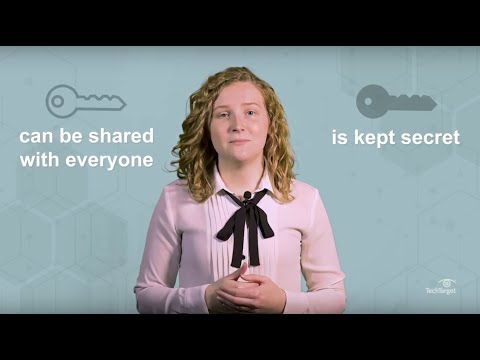
So, imagine you’ve got two keys: a public key and a private key. The public key can be shared openly, like your email address. Anyone can use it to send you messages. The tricky part? Only you have the private key, which you keep secret and use to unlock those messages. This setup means that even if someone intercepts your message, they can’t read it without your private key.
Why Use It?
Asymmetric cryptography is super useful for scientists and researchers because it helps protect sensitive data. Think about when you’re sharing research findings or collaborating on projects—keeping that information safe from prying eyes is crucial! Here are some reasons why:
- Data Integrity: It ensures that the data hasn’t been altered in transit.
- Authentication: You can verify who sent a message, much like seeing someone’s signature.
- Non-repudiation: A sender can’t deny sending a message; it’s tied to their unique private key.
An Everyday Example
Picture yourself sending an important research paper to a colleague. You encrypt it using their public key. Only they can decrypt it with their private key. Even if someone else sees it along the way, they can’t make sense of it because they don’t have that special private key! It’s kind of like locking your diary with a padlock that only your best friend has the key to.
The Math Behind It
Now, let’s get into some geeky stuff! Asymmetric cryptography relies on complex mathematical problems like factoring large prime numbers or solving discrete logarithms. This makes it super hard for anyone without the right keys to crack the code.
You might be thinking: “Okay, but isn’t it slower than symmetric encryption?” Well, yep! It usually takes longer since those math puzzles are no joke. But for certain tasks—like securely sharing session keys—it’s incredibly valuable!
The Future of Asymmetric Cryptography
With all this rapid tech advancement going on, think about quantum computing… It could potentially crack traditional asymmetric algorithms like RSA and ECC (Elliptic Curve Cryptography). Scientists are scrambling to develop post-quantum algorithms that will keep our secrets safe even when faced with quantum computers!
So there ya go! Asymmetric cryptography may sound complicated at first glance, but it’s essentially about secure communication and protecting our information in this ever-evolving digital age. Next time you’re sharing sensitive data or reading about new research findings online, remember there’s some cool math magic keeping everything safe behind the scenes!
Exploring the Four Pillars of Cryptography: A Scientific Overview
Cryptography is kind of like magic for data. It keeps our information safe from prying eyes and ensures trust between people and systems. When you send a secret message, you want to be sure it gets to the right person, and that no one else can read it. But how does this all work? Well, it’s built on four main pillars: confidentiality, integrity, authentication, and non-repudiation. Let’s break those down a bit.
Confidentiality is about keeping secrets safe. Imagine if you wrote a letter and sealed it in an envelope. Only the person with the right key can open that envelope and read what’s inside! In cryptographic terms, this usually involves encrypting data so only authorized users can decrypt it.
Then we have integrity. This pillar ensures that the message hasn’t been tampered with during transmission. Say you send a digital photo of your cat to a friend. Integrity checks make sure the photo arrives just as you sent it—not altered or corrupted in any way. Digital signatures often come into play here.
Next up is authentication. It’s basically about confirming identities—like showing your ID before entering a club! In cryptography, this involves verifying that someone is who they say they are before allowing them access to sensitive information or systems.
And don’t forget about non-repudiation. This one’s about accountability—making sure someone can’t deny sending a message after they’ve sent it! It’s like when you sign for a package; there’s proof that you received it.
Now let’s talk specifically about asymmetric cryptography since it’s super relevant in scientific research today. With asymmetric cryptography, each user has two keys: one public and one private. The public key can be shared openly, but the private key must be kept secret—kind of like your password!
When you send something encrypted with someone’s public key, only that person can decrypt it using their private key. It ensures confidentiality beautifully! Imagine researchers sharing sensitive data; they can use each other’s public keys to secure their findings without fear of leaks.
Asymmetric methods also tie back into those four pillars we discussed earlier. They build trust between different parties working on joint projects while maintaining integrity and ensuring that nobody can deny what they’ve done or sent.
In practice though, things can get tricky sometimes! For instance, if someone loses their private key or if it’s stolen? Yikes! Suddenly all bets are off regarding confidentiality and authenticity.
That’s why understanding these concepts is crucial—not just for techies but for everyone dealing with data today. Cryptography isn’t just code—it’s an essential part of how we communicate securely in our digital world!
So, let’s chat about something that’s pretty cool but sounds all high-tech and complicated—like asymmetric cryptography. Honestly, it kinda makes you think of secret agents or something, right? But it’s really just a way to keep our digital lives safe. You know, if you’ve ever sent an email that was meant to be private or shared sensitive files online, this is where the magic happens.
Okay, picture this: remember when you were a kid and had that super-secret diary? You’d lock it up tight with a little key. Only you had the key to read those silly secrets or heartfelt notes. Asymmetric cryptography works on a similar principle, but instead of keys that fit locks, we have two different keys—one public and one private. The public key is like giving your friends a spare key to your house (which I wouldn’t actually recommend). They can put stuff inside but can’t get in to read your diary. The private key is what you keep safe for yourself.
Now here’s where it gets even cooler: imagine using this setup in scientific research. Picture researchers sharing groundbreaking findings across the globe without worrying about snoops stealing their data or ideas. It’s like if scientists could send each other notes on their latest experiments and findings without any fear—how awesome would that be? Seriously!
But there are challenges too. Like, not all researchers are tech-savvy, and figuring out how to use these cryptographic tools can be daunting sometimes. And let’s not forget the classic tension between wanting open access to information and protecting intellectual property. Striking that balance is tricky!
When I think about how asymmetric cryptography could change things for scientists everywhere, I feel hopeful about future discoveries. It reminds me of when I first learned about encryption in school—it was like unlocking a new world! Each piece of research could build off another without the fear of theft or misrepresentation.
So yeah, asymmetric cryptography might seem like just another tech topic at first glance but really feels like opening doors for collaboration and innovation in science! And who knows what sorts of amazing things we might find out when everyone has the freedom to share openly? The potential makes me genuinely excited!