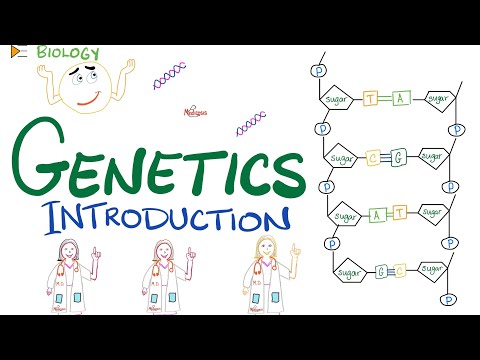
So, like, imagine this: you’re sitting at a family dinner and someone cracks a joke about Uncle Bob’s weird obsession with raising chickens. Everyone starts to laugh, but then someone brings up genetics—how those chickens actually inherited their funky feathers from their ancestors. Suddenly, the whole table is deep in conversation about genes, DNA, and what makes us… well, us!
Isn’t it wild how we’re all connected in this huge web of genetic information? Genotype sequencing has been a game changer in understanding how those traits get passed down. But what does that even mean?
Well, it’s all about peeking inside our genetic code. Seriously! It’s like reading the ultimate instruction manual for life. And honestly, once you start digging into it, you realize just how much this science influences everything—from health to ancestry and even those quirky chicken feathery genes! So let’s take a stroll through this fascinating world of genotype sequencing together—trust me; it’s going to be a fun ride!
Understanding Genotyping by Sequencing: A Comprehensive Overview in Genomics and Biotechnology
Genotyping by sequencing (GBS) is like hitting the genetic jackpot. Picture yourself digging through a massive DNA library to find specific pieces of information about an organism’s traits. It’s all about getting a snapshot of the genetic makeup, and let me tell you, it’s pretty cool.
So, what is genotyping by sequencing? Well, it’s a method used to identify genetic variations within a population. Basically, it helps scientists look at the variations in DNA that can influence things like traits, behaviors, and diseases. By reading these variations, researchers can learn tons about how genetics plays into different characteristics.
How does GBS work? Think of it like this: first, you take a sample of DNA from your organism of interest—could be plants or animals—and then you chop it up into smaller pieces using enzymes. After that, these little fragments are sequenced using powerful technology that reads the sequence of nucleotides. The cool part? You end up with loads of data that tells you what variations exist in those sequences!
Now let’s break down why this matters:
- Speed: GBS is faster than traditional methods because it sequences many samples at once.
- Cost-effective: It doesn’t require fancy equipment for every single step.
- Diversity: You can analyze a wide range of organisms from crops to animals.
A friend of mine once worked on a project where they used GBS to study how different strains of wheat responded to disease. Before GBS, identifying the right genes was like finding a needle in a haystack. But with GBS? They quickly identified gene markers linked to disease resistance! That means farmers could choose better seeds to plant for stronger crops.
Applications in modern genetics are vast. Researchers use GBS for everything from studying evolution to developing new therapies for diseases. In agriculture, it helps create plants with improved traits—like drought tolerance or higher yield—by pinpointing beneficial genes and markers in various species.
And you know what else? It’s not just plants and crops! Animal breeding programs also benefit significantly from GBS by selecting desirable attributes in livestock more efficiently than ever before.
In short, genotyping by sequencing has become vital real estate in genomics and biotechnology. It opens up new doors not only for researchers but also for farmers and even healthcare providers looking to understand hereditary diseases better.
So there you have it! GBS is like having your cake and eating it too when it comes to understanding genetics today—it’s fast, efficient and basically gives us more knowledge than we ever had before!
Understanding the Purpose of Genetic Sequencing in Modern Science: Insights and Implications
Sure! Genetic sequencing is like having a superpower to read the book of life, which is pretty wild when you think about it. So, what’s the deal with it in modern science? Well, let’s break it down!
Genetic Sequencing Explained
At its core, genetic sequencing is all about figuring out the order of nucleotides in DNA—the stuff that carries your genetic info. Imagine DNA as a really long string of beads where each bead is a different nucleotide. By “sequencing,” scientists can find out what those beads are and their order, which tells them how genes work.
Why Is It Important?
You might be wondering why this matters. Here’s a few key reasons:
- Understanding Diseases: Sequencing helps identify genetic mutations that cause diseases. For example, researchers can sequence tumor DNA to find unique mutations that might influence treatment plans.
- Personalized Medicine: By knowing your genetic makeup, doctors can tailor medications specifically for you. It’s like getting a custom pizza instead of slices from the same old pie.
- Evolutionary Biology: Scientists can trace how species evolve by comparing genetic sequences. This helps us understand how humans relate to other species—like, yes, we’re all distant relatives!
Anecdote Time!
I remember a story about a friend who found out about his family history through genetic testing. He was surprised to learn he had roots in different continents! This led him down a rabbit hole of exploring his ancestral health risks. Kind of made him feel like an explorer in his own family tree!
The Role of Genotype Sequencing
Genotype sequencing zooms in on specific genes rather than looking at the whole genome. Think of it as focusing on highlights instead of reading the entire book! It plays an important role in:
- Agricultural Advancements: Farmers use genotype data to create crops that resist pests or grow better in harsh environments.
- Ancestry Research: People want to know where they come from, and sequencing allows them insight into their heritage along with any potential health issues passed down.
The Big Picture
With all this sequencing power comes some pretty serious implications too. Privacy concerns keep popping up—who owns your genetic information? Then there’s ethical considerations around gene editing technologies like CRISPR that could change everything we know about life itself.
So basically, as science steps further into the world of genetics through sequencing technology, we unlock remarkable insights into who we are and our connections and challenges along the way! Exciting stuff for sure!
Exploring the Impact of DNA Sequencing on Genetic Research and Scientific Advancement
Sure! Let’s chat about DNA sequencing and its massive influence on genetic research. It’s kind of like opening a treasure chest where every piece of information can tell us something new about ourselves and other living things. Cool, right?
DNA sequencing is the process where we figure out the exact order of nucleotides in a DNA molecule. Nucleotides are basically the building blocks of DNA, sort of like letters in a book that create words and sentences. When we sequence DNA, we can read these “words” and understand the genetic instructions they contain.
One big leap forward came with technologies like next-generation sequencing (NGS). This method allows us to sequence thousands or even millions of DNA strands at once. Just imagine being able to read an entire library instead of just one book at a time! This speed and scale have made it way easier to gather vast amounts of data for research.
Why does this matter? Well, for starters, it helps scientists identify genes linked to various diseases. For example, let’s say someone in your family has a condition like cystic fibrosis. By looking closely at their DNA sequences, researchers can spot mutations in specific genes. This info might lead to better treatments or even gene therapies that could help improve lives.
Now, let’s touch on genotype sequencing. This is basically when we determine an individual’s genetic makeup, or genotype. By comparing genotypes across different individuals or populations, researchers can look at things like how people respond to medications or why some are more prone to certain diseases than others.
Consider this: in agriculture, understanding the genotype of crops has allowed scientists to create more resilient strains that can withstand pests or climate change better than traditional ones. Isn’t that something? It’s not just about humans; it affects food security too!
We also see that sequencing plays a role in understanding evolution and biodiversity. By analyzing the genomic differences between species, scientists can trace back their evolutionary paths and see how they adapted over time—pretty mind-blowing stuff!
However, all this powerful data does come with responsibilities. As we sequence more genomes, ethical questions arise: Who gets access to this information? How do we protect privacy? What if someone discovers they carry genes for certain diseases? Those are serious discussions that need careful thought.
In summary, the impact of DNA sequencing on genetic research is monumental and multi-faceted. It’s opened up new avenues for understanding human health and disease while also contributing significantly to fields like agriculture and evolutionary biology. And as technology advances further, who knows what other amazing discoveries lie ahead! Just keep your curiosity alive—there’s so much more yet to learn!
Alright, let’s chat about genotype sequencing and how it fits into the whole genetics puzzle.
So, you might be thinking: what’s the deal with genotypes? Well, think of your genotype as a personal blueprint. It’s that unique set of instructions coded in your DNA that helps define who you are—like your eye color, height, or even some quirky traits that make you stand out in a crowd.
A little while back, I was hanging out with an old friend who’d recently gotten into genealogy. He found out he had some unexpected ancestry—like a sprinkle of Viking blood! Naturally, this story led to him wanting to dive deeper into the science behind it all. That’s where genotype sequencing swoops in like a superhero! By decoding our genetic material, we can trace back family lineages or understand predispositions to certain health conditions.
Now, let’s get into the nitty-gritty. Genotype sequencing involves reading the exact arrangement of nucleotides (those building blocks of DNA) in an organism’s genome. It sounds fancy because it is! With today’s technology, scientists can sequence entire genomes at lightning speed. Back in the day, it took years and tons of resources just to map out a small part of DNA; now we can unlock vast amounts of information with better tools and methods.
The implications are pretty exciting. For example, in medicine, understanding your genetic makeup can help doctors tailor treatments specifically for you. Imagine going to the doctor and instead of getting a one-size-fits-all prescription, you receive medication tailored just for your unique genetic code! That could seriously change lives.
But there’s also this ongoing conversation about ethics and privacy when it comes to our genetic data. I mean, do you really want everyone knowing what’s lurking in your DNA? While being able to access your genetic info opens doors for better health strategies, there’s definitely a line between beneficial knowledge and unnecessary exposure.
To sum things up (if I could), genotype sequencing is basically like having a backstage pass to your biology’s greatest hits. It sheds light on everything from ancestry to health risks while also raising important questions about how we handle such powerful information. The more we understand our genes, the more we realize just how connected we all are—and honestly? That’s pretty cool if you ask me!