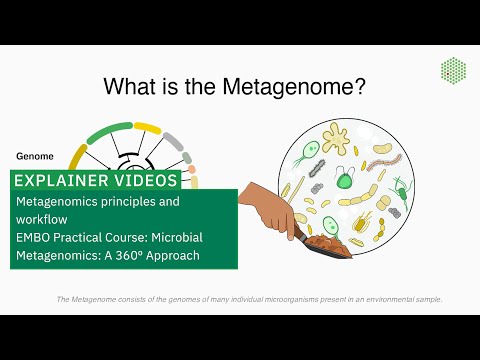
So, picture this: you’re at a barbecue with friends, chowing down on some ribs when suddenly, someone mentions bacteria. The conversation takes a wild turn, and you learn that there are more bacterial cells in your body than human cells. Kinda nuts, right?
Now, let’s take it up a notch—what if I told you that we can actually read the genetic blueprints of those tiny critters living all around us? Yup! That’s where metagenome sequencing struts into the picture like it owns the place.
This nifty technique lets scientists peek into the hidden world of microorganisms. It’s like being a detective, unraveling mysteries about how these little guys impact everything from our health to ecosystems. Seriously, it’s an exciting ride through the unseen universe teeming with life! So grab a seat; this is going to be fun!
Understanding the Role of Metagenomics in Microbial Analysis: Key Purposes and Implications for Science
Metagenomics is a pretty cool field of science. It dives into the world of microbes, which are tiny organisms that include bacteria, viruses, and fungi. The thing is, most of these little guys are super hard to grow in a lab. That’s where metagenomics steps in with its magic wand!
So, what exactly does metagenomics do? Well, it involves sequencing the genetic material from entire communities of microorganisms directly from their natural environments. This is crucial because it helps us understand the diversity and functions of these microbes without needing to culture them first.
Key Purposes of Metagenomics:
- Diversity Assessment: Metagenomics allows scientists to identify and classify many microbes in a sample at once. Instead of counting just what you can culture, you get a peek into the whole microbial community.
- Functional Analysis: By analyzing gene sequences within those communities, researchers can uncover what functions these microorganisms perform. For example, some might be involved in breaking down pollutants while others help with nutrient cycling.
- Health Implications: Metagenomics plays a significant role in human health too! Studying the gut microbiome through metagenomic techniques can help identify links between certain microbial populations and conditions like obesity or inflammatory bowel disease.
- Ecosystem Monitoring: It helps scientists keep tabs on environmental changes or the effects of human intervention by monitoring shifts in microbial communities over time.
Now, let’s talk about how this all applies outside the lab! I was recently chatting with a friend who works at a wastewater treatment plant. She explained how they use metagenomic techniques to monitor microbes that break down waste materials effectively. If certain bacteria populations drop too low, they can adjust conditions to help maintain treatment efficiency—how cool is that?
Another fascinating application is in agriculture! Farmers are beginning to tap into metagenomics to improve soil health and crop yields. By understanding which beneficial microbes thrive in their soil, they can make smarter choices about fertilizers or pest management.
So yeah, basically, metagenomics opens up this whole new world for scientists and researchers by providing deeper insights into microbial life and its importance across various fields like health and environmental science. It really shows how interconnected life is at every level—even if we can’t always see it with our own eyes!
In short, metagenomics isn’t just some fancy science term; it’s a groundbreaking tool that helps us navigate the unseen world around us—one microbe at a time!
Understanding the Metagenomics Approach to Microbiome Analysis in Modern Science
Microbiomes are like tiny ecosystems living in and on us, filled with bacteria, fungi, viruses, and other microorganisms. These little critters are crucial for our health, helping with digestion, protection against diseases, and even affecting our mood. You can think of them as a mysterious army working behind the scenes. But understanding all these organisms? That’s where metagenomics comes in.
Metagenomics is basically a technique that allows scientists to study the genetic material from all the microbes in a sample without needing to culture them in a lab. This is super useful because most microbes can’t be easily grown outside their natural environments. Imagine trying to catch an elusive fish; you’d have better luck spotting it through a clear water tank than setting nets everywhere.
Instead of isolating one bacterium at a time,
- Scientists take a sample of the environment – like your gut or soil.
- They extract all the DNA present in that sample.
- Then they sequence all that DNA to see what’s there.
It’s like taking a snapshot of an entire community instead of just one member! But what do researchers do with all this data? Well, after sequencing, they use powerful software to analyze it.
They compare genetic sequences against known databases to identify which microbes they’re dealing with. Picture this: it’s like finding out who’s who at a party by looking at their name tags – only these name tags are made up of long strings of DNA letters!
One cool thing about metagenomics is it can reveal diversity and functionality within those microbial communities. For instance, if you have more diverse gut bacteria, some studies suggest you might have better digestion or immune responses.
But here’s where it gets even more interesting. Researchers can also see how these microbial communities change in response to things like diet or disease! Say someone starts eating healthier; scientists might find that their microbiome shifts toward different types of beneficial bacteria.
Of course, collecting this data isn’t all rainbows and sunshine. The amount of information generated is massive—seriously overwhelming! Scientists often face challenges regarding data storage and analysis capabilities because we’re talking about millions of sequences here. Plus, interpreting what all those sequences actually mean can be tricky.
Despite the challenges,
- Metagenomics has huge potential for medical research.
- It could lead to personalized medicine based on your unique microbiome.
- This research might help develop probiotics tailored just for you!
In addition to health implications, metagenomics also plays a role in environmental science—analyzing soils or oceans helps track how ecosystems react to climate change or pollution.
So next time you’re munching on yogurt packed with probiotics or considering how your diet affects your health, remember there’s an entire universe of microorganisms playing crucial roles inside you! Understanding these tiny life forms using metagenomics opens doors not just for better health but also for preserving our planet and tackling challenges we face today. It’s pretty wild when you think about how much we still have left to learn!
Exploring Metagenomics: Unraveling Plant-Microbe Interactions in Ecological Research
So, let’s chat about metagenomics! It sounds like a complex term, but it’s just about studying all the tiny microbes living in a certain environment—like soil or plant roots. This field is super important because these little guys play massive roles in ecosystems.
To kick things off, what are microbes? Think of them as the unseen workers in nature. They include bacteria, fungi, and viruses that live everywhere around us, even in places we can’t see. You might not think much about them while eating your lunch, but they’re essential for breaking down organic matter and recycling nutrients.
Now, when we talk about metagenomics, we refer to the study of these microbial communities without isolating individual species first. Instead of trying to grow each microbe in a lab (which is often tricky), metagenomics lets us analyze their DNA directly from environmental samples. It’s like taking a snapshot of the entire microbial community in one go!
So why focus on plant-microbe interactions? Well, plants have this awesome ability to cooperate with microbes for mutual benefits. For instance, some bacteria help plants absorb nutrients from the soil more effectively. In return, plants provide sugars and other compounds that serve as food for the microbes.
Let’s break down how metagenomics helps us understand these interactions:
- Diversity Assessment: Metagenomic sequencing allows researchers to identify which microbes are present in the environment and how diverse those communities are.
- Functional Insights: By examining genetic sequences, scientists can determine what functions these microbes may perform—like fixing nitrogen or decomposing organic materials.
- Ecological Relationships: It unveils how different microbes interact with each other and with plants. This helps us understand how ecosystems function as a whole.
Take my friend who studied grasslands. She found that certain bacteria were key players in helping native plants thrive after wildfires by promoting recovery through nutrient cycling. This means those invisible creatures are crucial not just for plant health but also for maintaining ecological balance.
Moreover, understanding these interactions can have real-world applications too! For example, if we figure out which microbial partners boost crop yields or resist diseases, farmers might use that knowledge to develop better agricultural practices.
But here comes the tricky part! Analyzing this data is no walk in the park. With so many sequences generated from metagenomic studies (think millions!), bioinformatics tools help sort through it all to find relevant patterns and connections.
In conclusion—or rather just wrapping this up—metagenomics opens up an exciting pathway into comprehending ecological relationships at a microscopic level. It changes our view of nature by highlighting how deeply intertwined life forms are—not just visible plants and animals but also those almost invisibly tiny organisms working mysteriously behind the scenes.
So next time you see a plant sprouting confidently through soil or blooming vibrantly in your garden, remember there’s an entire community of microscopic allies right underneath cheering them on! Isn’t nature cool?
So, metagenome sequencing, huh? It sounds super technical, but it’s really just a fancy term for taking a peek at the genetic material of all the microbes in a particular environment. Imagine you’re digging through a wild and messy pile of LEGO bricks. Instead of seeing just one color or shape, you find all sorts of pieces jammed together; that’s kinda what metagenome sequencing does for researchers trying to understand who’s living in our soil, oceans, or even our guts.
Just the other day, I stumbled on this video about gut health that mentioned how diverse the microbial communities are in our intestines—like a mini rainforest party down there! It made me think about how important these tiny organisms are. They’re doing stuff like helping us digest food and even affecting our mood. Seriously! The interplay between these microbes and us is complex and a bit mind-boggling.
Now, here’s where metagenome sequencing really shines. It’s not just about identifying individual species; it helps scientists unravel the complete genetic tapestry of entire microbial communities. So instead of just identifying that you have “a bacteria” here and “some fungi” there, researchers can see how these organisms interact and contribute to things like nutrient cycling or disease processes. Pretty cool stuff!
But hey, it hasn’t always been smooth sailing for microbial research. Back in the day—think before 2005—scientists mostly had to culture microbes in labs to study them. That’s like trying to solve a puzzle with only half the pieces! Many microorganisms are hard to grow outside their natural habitats, which meant we were missing out on tons of information.
With metagenome sequencing stepping onto the scene, it’s like getting access to a high-definition camera that shows everything in glorious detail rather than blurry snapshots. This technology allows researchers to dive deep into environments ranging from Arctic ice samples to your backyard garden soil without having to grow every single organism first.
And you know what’s crazy? This approach isn’t limited to just one discipline; it crosses into ecology, medicine, agriculture—you name it! It’s helping agricultural scientists figure out how soil microbes can enhance crop yields sustainably while ecologists dig into biodiversity and conservation efforts.
So yeah, next time you’re munching on some yogurt or checking out that vibrant plant at home, think about all those invisible creatures working behind the scenes. Metagenome sequencing is giving us critical insights into these little guys who have such massive impacts on our lives—and that’s something worth celebrating!