So, I was at a picnic last weekend, and you won’t believe what happened. My friend accidentally dropped a sandwich on the grass, and before we could even blink, ants were swarming all over it. These tiny critters were like little microbial ninjas, working together to haul off bits of lunch. It got me thinking about how life exists in places we don’t even notice.
That’s where prokaryotes come in. Ever heard of them? They’re basically the ultimate survivors in the microbial world. No fancy structures or complicated insides—just straight-up simplicity that lets them thrive pretty much anywhere, from your bathroom sink to your best friend’s leftover pizza.
Prokaryotes are such a big deal when it comes to life on Earth. They play crucial roles in everything from breaking down waste to helping plants grow. Seriously! So let’s dig into their structure and see how these microscopic marvels keep our world ticking. Trust me; it’ll be worth knowing more about these little guys!
The Essential Role of Prokaryotes in the Human Microbiome: Insights from Microbiological Research
Okay, so let’s talk about prokaryotes and their essential role in our human microbiome. You know, those tiny, single-celled organisms that are everywhere? They might be small, but they pack a serious punch when it comes to keeping us healthy.
Prokaryotes, which include bacteria and archaea, don’t have a nucleus or complex organelles. Instead, they keep things simple with a single circular strand of DNA floating around in the cytoplasm. It’s like they’re minimalists of the microbial world! This simplicity allows them to reproduce quickly—some can double their numbers in just 20 minutes!
Now, onto the microbiome part. Your microbiome is like a bustling city inside your body filled with trillions of prokaryotes. These microorganisms live primarily in your gut but can also be found on your skin and other mucosal surfaces. You follow me? They help digest food, synthesize vitamins, and even train your immune system to recognize harmful invaders.
One of the coolest things about prokaryotes is their diversity. There are thousands of different species hanging out in our bodies. Each person has a unique composition based on factors like diet, lifestyle, and even where you live. For example:
- Lactobacillus: These friendly bacteria help ferment food and produce lactic acid, supporting digestive health.
- Bacteroides: This group assists in breaking down complex carbohydrates and can influence your metabolism.
- Faecalibacterium: Known for its anti-inflammatory properties, it plays an important role in gut inflammation control.
You might remember that time you had an upset stomach or felt sluggish? Well, sometimes it’s because the balance of your microbiome has been disrupted by stress or poor diet. Prokaryotes can get outnumbered by harmful bacteria if you’re not careful! It’s wild how these tiny creatures influence our health!
A little while back, I read about a study showing how giving probiotics—live beneficial bacteria—can help restore that balance after antibiotics wipe out both good and bad bugs. Seriously impressive stuff! So essentially: we’re learning that supporting our prokaryotic pals could lead to better overall health.
The thing is: research is ongoing. As scientists dig deeper into the complexity of these tiny players in our lives, we’re unlocking more insights on how they affect everything from digestion to mental health through something called the gut-brain axis—a fascinating connection between our gut microbiota and brain function.
In summary? Prokaryotes are key players in our microbiome ecosystem—without them, we’d struggle with digestion and immunity among other things. If we take care of them through healthy eating choices or maybe some probiotics when needed, we’re basically looking after ourselves too!
Understanding the Structure of Prokaryotic Microorganisms: A Comprehensive Overview in Microbiology
So, let’s chat about prokaryotic microorganisms! You know, these tiny little creatures that you can’t see with your naked eye? They’re like the unsung heroes of the microbial world. Seriously, they do so much for our planet and our health. Let’s break down what they are and how they’re built!
Prokaryotes are single-celled organisms that lack a nucleus and other membrane-bound organelles. Sounds complicated? Not really! Think of them as the basic building blocks of life. They are super tiny, typically ranging from 0.1 to 5 micrometers in diameter. But don’t be fooled by their size; they’re incredibly diverse.
Their structure can be divided into a few main parts:
- Cell Wall: This is like their protective armor. It provides structure and shape, keeping the cell from bursting when it’s full of water.
- Cell Membrane: Right underneath that cell wall sits the cell membrane, which controls what goes in and out. Think of it as a bouncer at a club who only lets in cool things!
- Cytoplasm: Inside the cell is the cytoplasm—a jelly-like substance where all cellular activities happen. It’s like a busy city filled with tiny workers doing their jobs.
- Nucleoid Region: Instead of a fancy nucleus, prokaryotes have a nucleoid region that houses their DNA. This is where all the important information for life is held.
- Ribosomes: These are like little factories that make proteins—super important for growth and repair!
Now, you might be thinking, “What’s so special about these little guys?” Well, they play crucial roles in various ecosystems! For instance:
- Nitrogen Fixation: Some prokaryotes can convert atmospheric nitrogen into forms that plants can use. Without them, we wouldn’t have healthy crops!
- Biodiversity: They help maintain the balance in ecosystems by breaking down organic matter and recycling nutrients.
You know what’s wild? Prokaryotes can adapt to some of the harshest environments on Earth—like hot springs or deep-sea vents—where life seems impossible. They’ve got this crazy resilience!
The thing is, prokaryotic microorganisms aren’t just essential in nature but also have practical uses for us humans! From making yogurt (thank you Lactobacillus!) to helping clean up oil spills through bioremediation techniques—it’s amazing how intertwined our lives are with these microscopic beings!
You see? Prokaryotes may be tiny, but their impact on life as we know it is massive! So next time you hear someone talk about germs or bacteria, remember there’s so much more than meets the eye!
Understanding the Role of Prokaryotic Cells in Bacterial Function and Diversity
So, let’s chat about prokaryotic cells and why they matter so much in the world of bacteria. Seriously, if you think about it, these little guys are everywhere! They’re in the soil, on your skin, and even inside your gut helping you digest food. Their structure is super simple compared to other cells, but that doesn’t mean they’re any less important.
First off, what are prokaryotes? Well, they’re basically single-celled organisms that don’t have a nucleus or other membrane-bound organelles. Instead, their genetic material floats around in the cell like confetti at a party. And when we talk about bacteria specifically—yep, those are prokaryotes too!
Now let’s break down some features of prokaryotic cells:
- Cell Wall: Most prokaryotic cells have a tough outer layer called a cell wall. It helps protect them from physical damage and keeps their shape. Imagine it as their armor!
- Plasma Membrane: Inside that wall is the plasma membrane which controls what goes in and out of the cell. Like a bouncer at a club, it lets in nutrients while keeping unwanted stuff out.
- Cytoplasm: This jelly-like substance fills up the cell where all the action happens! It’s where proteins are made and energy is produced—think of it as their workspace.
- Ribosomes: These tiny structures are like little factories making proteins that bacteria need to survive.
- Pili and Flagella: Some bacteria have these hair-like structures. Pili help them stick to surfaces (like your teeth or rocks), while flagella work like tails that help them swim around.
You know what’s wild? There are thousands of different types of prokaryotic cells out there! Each one has its own special role and ability to thrive in different environments. Some can live in super hot springs, while others are chilling in icy cold waters. Others can even survive with no oxygen at all! That diversity really shows how adaptable life can be.
Here’s something cool: the way some bacteria can share genes through processes like conjugation gives rise to new traits—like resistance to antibiotics. It’s kind of like how we might trade toys or cards to get cooler stuff; bacteria do it for survival!
Plus, let’s not forget how important these microscopic critters are for ecosystems. They break down waste materials and recycle nutrients back into the environment—keeping everything balanced and healthy. Without bacteria doing their thing as decomposers, well… trash would just pile up everywhere!
And speaking of trash—you might cringe at the thought of some bacteria being harmful (like those causing infections). But remember: most bacteria actually help keep us healthy! Your gut is home to trillions of friendly microbes aiding digestion and even influencing your mood.
So there you have it! Prokaryotic cells may be small but they play huge roles in life on Earth—from supporting ecosystems to helping us stay healthy. Isn’t it amazing how something so tiny can have such big impacts?
Alright, let’s chat about prokaryotes. You might have heard of them before; they’re the tiny organisms that pack a huge punch in the world of microbes. So, what makes these little guys tick, and why are they so important? Well, first off, prokaryotes include bacteria and archaea, and they have this super simple structure compared to more complex cells like those in plants or animals.
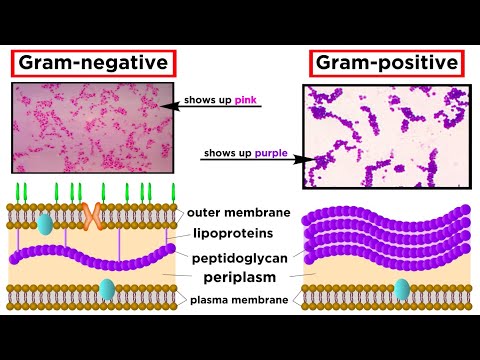
You know how sometimes you look at a really intricate clock and wonder how all those parts work together to tell time? Prokaryotes are like the minimalist version of that clock. They usually don’t have a nucleus or membrane-bound organelles—basically, everything’s just chilling in the cytoplasm. There’s a cell membrane that keeps it all together, and most have a cell wall for protection. This wall can be tough as nails or kind of soft, which actually helps identify different types of bacteria.
Here’s where it gets cool: these guys come in all shapes and sizes! Some are spherical (cocci), some are rod-shaped (bacilli), and others can be spiral (spirilla). Each shape seems to play a role in how they live and thrive in different environments. It’s like they’ve got their own little niche in life.
Now let me tell you about that one time I found myself at a muddy lake. Seriously, it was one of those hot summer days when everyone just wanted to jump into the water. I was knee-deep in mud and muck when I noticed tiny bubbles rising up—like little treasures from below! Those bubbles were produced by thousands of microbes working hard to decompose organic matter. Yeah! That was their prokaryotic magic at play.
These prokaryotes aren’t just sitting around doing nothing; they’re essential for decomposition, nutrient cycling, and even nitrogen fixing—helping plants grow by converting nitrogen from the atmosphere into forms that plants can use. Without them? Well, things would probably get pretty messy around here.
In essence, prokaryotes may be small but they’re mighty champions of life on Earth. They show us how even the simplest structures can create this amazing tapestry of life that supports ecosystems everywhere—from your backyard garden to extreme environments like hot springs or deep-sea vents.
So next time you’re sipping on some water or enjoying your favorite salad with veggies grown using nitrogen-fixing microorganisms—give a little nod to those unseen prokaryotic heroes! They’re out there doing their jobs silently but oh-so-critically every day!