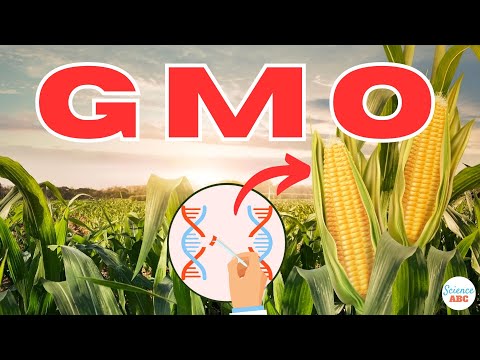
You know that moment when you bite into a juicy tomato and think, “Wow, this is so good”? Well, imagine if that tomato had a superhero backstory. Seriously! Some of our favorite foods are like the Avengers of the plant world.
Genetically modified organisms, or GMOs, are basically plants and animals with a twist. Scientists have stepped in to tweak their DNA a bit – kind of like fine-tuning your favorite playlist. So it’s not just about getting bigger fruits or vegetables; it’s about resilience and taste!
Ever heard of the “Flavr Savr” tomato? It’s like the first celebrity in the GMO world – everyone was talking about it back in the day. But there’s way more going on under the surface.
Let’s take a stroll through some pretty wild examples of GMOs that are making waves today!
Exploring 5 Key Examples of Genetically Modified Organisms in Modern Science
So, genetically modified organisms, or GMOs, huh? They’re kind of a big deal in science and agriculture. You might have heard some buzz about them, good or bad. But what are they really? Basically, GMOs are organisms whose DNA has been altered in a lab to give them certain traits. It’s like giving them superpowers! Let’s look at five key examples that show just how these little genetic tweaks can make a difference.
Corn
One of the most famous GMOs is corn. A lot of the corn we eat today has been modified to resist pests and tolerate herbicides. This means farmers can grow more corn with fewer chemicals—pretty neat, right?
Golden Rice
Then there’s Golden Rice. This variety was developed to combat vitamin A deficiency in some parts of the world. It’s enriched with beta-carotene, which our bodies turn into vitamin A. It’s like turning rice into a health booster for kids who need it most. I can’t help but think about how many lives this could change.
Bt Cotton
Next up is Bt cotton! This one has a gene from a bacterium called Bacillus thuringiensis added to it. This gene produces a protein that acts as an insecticide, helping cotton plants fight off pests naturally. Farmers using Bt cotton often report reduced pesticide use and increased yields.
Soybeans
Oh, and soybean plants have also made the list! Many soybeans are engineered to be resistant to certain herbicides (like glyphosate). That means farmers can spray their fields without worrying about harming their crops while keeping weeds at bay.
Salmon
Last but not least, let’s not forget about genetically modified salmon. These fish are designed to grow faster than regular salmon, reaching market size quicker; they have an added growth hormone gene from another species of fish. Imagine trying to raise fish for food—getting them bigger and faster could help meet growing demands.
So yeah, these five examples show just how diverse GMOs can really be—from crops that help feed the hungry to fish that grow bigger in less time. They bring promising solutions but also spark debates over safety and ethics. It’s an ongoing conversation that involves science, society, and our dinner plates!
Exploring Genetically Modified Animals: Key Examples and Scientific Innovations
So, genetically modified animals, huh? They’ve become quite the topic in science lately. Basically, these are animals whose DNA has been altered using genetic engineering techniques. The whole idea is to make them better suited for certain tasks or to study diseases in humans. Let’s break it down a bit!
1. The GloFish
These little guys were one of the first genetically modified pets you might have heard about. They’re zebrafish that have been tweaked to glow under ultraviolet light because of a gene from a jellyfish. Pretty cool, right? The point of this modification was originally for scientists to use them as indicators of water quality. If the water gets polluted, their lovely glow fades away.
2. Genetically Modified Mice
Mice are like the superstar lab animals! Scientists modify them for all sorts of reasons, mainly to study diseases like cancer or diabetes. For instance, some mice have been engineered to have a specific gene turned off—this helps researchers understand how that gene works in human diseases.
3. Cows with Enhanced Disease Resistance
In livestock farming, genetic modifications can help improve animal health and productivity. One example is cows that have been genetically altered to be resistant to certain diseases like mastitis—an infection that affects dairy cows’ udders—making them healthier and more productive.
4. The Enviropig
This one’s pretty interesting! The Enviropig was designed to digest phosphorus more efficiently than regular pigs do, which means less phosphorus pollution from their waste. Unfortunately, this project didn’t go very far before it was halted due to various concerns.
5. AquAdvantage Salmon
Now we’re talking about fish! This salmon has been modified so it grows faster than non-modified salmon by having a gene that speeds up growth rates during early development stages. This could help meet the growing demand for seafood but raises some eyebrows regarding its impact on wild salmon populations.
It’s not just about being fancy or flashy; these modifications can help tackle real-world issues—from food shortages to disease research. But there are ethical debates surrounding GMOs too, and it’s super important we think about those implications as we push forward in scientific innovation.
So there you go—a glimpse into the world of genetically modified animals! Whether it’s enhancing their abilities or helping us understand human health better, these innovations are reshaping how we interact with biology itself!
Examining the Genetically Modified Organisms in Coca-Cola: A Scientific Perspective
Well, when we chat about genetically modified organisms (GMOs), it’s really about taking a closer look at how science plays with nature, right? It’s like if you had a favorite plant and you wanted to make it grow bigger or resist pests. Scientists do this on a much larger scale!
Now, speaking of GMOs, Coca-Cola is one of those brands that people often wonder about in this context. So let’s break it down – no complicated jargon needed.
First off, what are GMOs? They’re living organisms whose genetic material has been altered using modern biotechnology. Basically, scientists take genes from one organism and insert them into another to give it certain traits. For instance, you might want a plant that can grow in harsh conditions or has improved nutritional value.
When we zoom in on the ingredients in Coca-Cola, there’s a significant chance that some come from genetically modified sources. A couple of key ingredients are high-fructose corn syrup (HFCS) and sugar. Let’s look at these:
- High-Fructose Corn Syrup (HFCS): This sweetener is made from corn that is often genetically modified for better yield and resistance to pests. About 90% of the corn grown in the U.S. is GMO corn! So when you sip that Coke, there’s a good chance HFCS is made from GMO corn.
- Sugar: While most cane sugar isn’t GMO., sugar beets—which are often used as an alternative—are mostly genetically modified. In fact, around 54% of sugar beets grown in the U.S. are genetically engineered.
Now you might be thinking: “What’s the big deal with GMOs?” Well, many people have mixed feelings about them! Some folks see all these changes as something beneficial for agriculture—they can lead to higher yields and lower pesticide use. But others have concerns regarding health effects or environmental impact.
Here’s something personal: I once tried explaining GMOs to my little cousin during our family barbecue. He was munching on his burger like crazy but suddenly stopped to ask if he was eating “science.” Kids have such an interesting way of looking at things! His innocent question made me realize how complex and intertwined these topics can get.
Now back to Coca-Cola! The company doesn’t specifically label its drinks as containing GMOs unless they’re regulated by specific laws in certain places—but ingredients like HFCS and sugar beet-derived products commonly contain those GMO elements.
So basically, while enjoying your favorite fizzy drink, just keep in mind some of those ingredients could stem from genetically modified crops. The science behind them continues to evolve and spark discussions everywhere—whether in your kitchen or on the news!
In short: GMOs can show up in your soda through sweeteners primarily derived from corn and sugar beets that are often genetically modified. And while there are different opinions out there about their safety and ethics, understanding what goes into our food—like soft drinks—is essential for making informed choices!
You know, when we think about GMO organisms, it often sparks fierce debates. Some folks are all about them, while others are skeptical. But when you take a step back and look at the bigger picture, there’s a lot of fascinating stuff happening in this realm of science.
Take, for instance, Golden Rice. This rice is engineered to produce beta-carotene, which our bodies can turn into vitamin A. It’s targeting malnutrition in many parts of the world where people lack access to this crucial nutrient. I remember reading about a little girl who could barely see at dusk because her body didn’t get enough vitamin A. After her community started using Golden Rice, not only did her eyesight improve, but her overall health got a serious boost. It’s stories like that which really hit home.
Then there’s Bt corn—this one caught my attention too. The corn has been modified with a gene from the bacterium Bacillus thuringiensis (hence Bt). So what’s cool about it? Basically, it makes the corn resistant to certain pests without needing tons of pesticides! Farmers have experienced lower crop losses and reduced their chemical usage—kind of a win-win situation if you ask me.
And let’s not forget about some efforts with genetically modified salmon that mature faster than their wild cousins. They grow up in record time and can help meet demands for seafood without putting extra strain on wild populations. I mean, balancing sustainability and food production is no small task!
But here’s the thing: there are always layers to peel back in these discussions. Sure, GMOs can offer solutions to real-world problems; however, there are concerns around biodiversity and corporate control over seeds that deserve attention too.
So yeah, diving into the world of GMOs reveals so much potential alongside some serious questions we need to tackle as a society. It just reminds me how interwoven science is with everyday life—and how it’s up to us to find our way through this ever-evolving landscape!