So, picture this: you’re at a barbecue, right? And someone brings out these crazy-looking tomatoes. They’re like, totally huge and super shiny. You take a bite and think “Whoa, this actually tastes amazing!” Well, those tomatoes might just be the result of some innovative genetic modification.
You know, the whole idea of messing with DNA sounds like something out of a sci-fi movie. But it’s happening all around us—sometimes in our food, sometimes in medicine, and even in saving endangered species. It’s kinda wild when you think about it.
But I get it—genetic modification can feel a bit freaky. There are so many opinions floating around! Some people love the idea; others are totally against it. Let’s break it down together! We’ll look at some really cool examples that may change the way you see science and its role in our lives.
Understanding Modern Genetic Modification: Innovations and Impacts in Science
So, let’s chat about genetic modification, huh? It’s one of those topics that sounds super complex, but when you break it down, it’s actually pretty interesting. Basically, this is all about changing an organism’s DNA to give it new traits or abilities. You see, our DNA is like a recipe book for making all the things that make us who we are. By changing a few lines in that recipe, scientists can create something new and exciting!
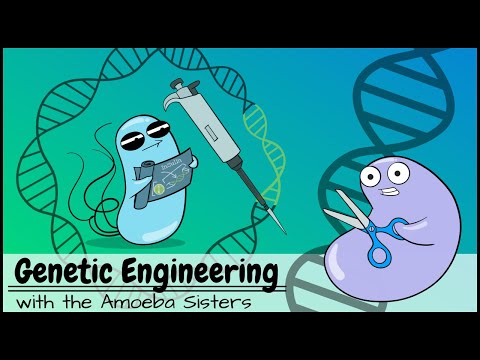
What’s the big deal? Well, there are a ton of innovations happening in the world of genetic modification. One of the most famous methods is called CRISPR-Cas9. This nifty tool works like scissors for DNA. Imagine having a pair of scissors that can cut out a mistake in your recipe and paste in something new! With CRISPR, researchers can go into the genes of plants, animals, and even humans to fix issues or add new features.
Let’s look at some cool examples:
- Food production: Scientists have created crops that resist pests and diseases better than regular ones. For instance, genetically modified corn can survive attacks from certain insects without needing lots of pesticides.
- Medical advancements: Genetic modification isn’t just about plants. In 2017, researchers used CRISPR on patients with genetic disorders like sickle cell anemia to edit their blood cells so they could function correctly.
- Environmental benefits: Some genetically modified organisms help restore ecosystems by removing toxins from contaminated soil or water. For example, certain bacteria were engineered to clean up oil spills by breaking down chemicals.
Now here’s something to think about: with all these great innovations come some challenges too. Not everyone is on board with genetic modification. There are worries about health risks and environmental impacts—like what happens if these modified organisms escape into the wild? Or what kind of long-term effects might there be? These questions keep scientists and policymakers busy!
So why does this matter? Well, as our global population grows and climate change becomes more real every day, we need innovative solutions to boost food security and health care access for everyone. Genetic modification has true potential here! It’s like having a magic wand to help solve real-world problems.
But remember: it also comes down to ethics and regulations. The way we handle these technologies will shape their future use for generations!
In short—genetic modification opens up incredible doors in science but requires careful thought and responsible action moving forward. Pretty cool stuff when you think about it!
Exploring Genetically Modified Animals: Notable Examples and Their Scientific Implications
So, genetically modified animals? That’s a big topic! You might have heard about it here and there, and honestly, it’s pretty fascinating stuff. Basically, scientists are working on altering the genes of animals for various reasons, like improving health or even helping the environment. Let’s break this down together.
What are genetically modified animals?
These are animals whose genetic material has been altered using techniques from molecular biology. It’s kind of like tweaking a recipe—changing a few ingredients can yield something new. This usually aims to give them new traits or abilities.
Why do we modify them?
There are several reasons folks go down this route:
- Medical Research: Some animals help us understand diseases better or test treatments before they’re used on humans.
- Agricultural Benefits: Modifying certain species can lead to livestock that grows faster or is more resistant to disease.
- Conservation Efforts: Genetic modifications might help endangered species adapt to changing environments.
Now let’s talk about some notable examples out there.
The GloFish:
Picture this: little fish that glow bright under black light! These were the first genetically modified pets and were created by inserting jellyfish genes into zebrafish. The whole idea was to detect water pollution levels—if they glow under regular light, it means something’s off in their environment. Pretty cool, huh?
AquaBounty’s Salmon:
This salmon has been modified to grow faster than its wild counterparts. By changing a growth hormone gene from another fish species, these guys reach market size in about half the time! Supporters claim it could lead to more efficient food production while critics worry about the ecological impacts if they ever escape into the wild.
Cows with Enhanced Traits:
Some researchers have focused on cows that can resist common diseases better than normal cattle. For instance, scientists have developed cows with a gene that helps them fight off mastitis (like a nasty infection), which could lead to healthier livestock overall.
But here’s where things get tricky—every time we mess with nature, there are ethical concerns lurking around like shadows in the night. There’s always that question of whether it’s right to change an animal’s genetics just for our benefits. Imagine seeing those altered creatures living their lives; does it feel fair?
And what about biodiversity? Each time we favor one genetic tweak over another, we kind of narrow down genetic diversity—a key factor for resilient ecosystems. So there’s definitely a balancing act going on here between innovation and preservation.
In short, as science continues pushing boundaries with genetically modified animals, we gotta keep asking questions. What does all this mean for our future? Can these scientific advancements coexist with nature without tipping the scales too far? It’s definitely an exciting yet thoughtful journey we’re on together!
Exploring Cutting-Edge Innovations in Genetic Modification: Pioneering Examples in Modern Science
Genetic modification is, like, one of those wild realms of science that’s just exploded with possibilities in recent years. When you think about it, we’re literally playing with the building blocks of life! Yeah, you heard that right! You can change the way plants grow or even tweak the DNA of animals to enhance certain traits. It’s a bit mind-boggling if you ask me.
One of the most exciting innovations has been the development of **CRISPR-Cas9** technology. It’s like a pair of molecular scissors that lets scientists cut out unwanted genes and replace them with new ones. Imagine being able to fix genetic “typos” that could cause diseases! It’s a game-changer for medicine. Like, just think about how many lives could be saved if we could edit genes responsible for conditions like sickle cell anemia or some types of cancer.
Another cool example is in agriculture. Scientists have developed genetically modified crops, like **Bt corn**, which is engineered to resist pest damage. This means farmers can use fewer pesticides, which is better for both the environment and their wallets! Plus, it helps improve food security by boosting crop yields. Less waste is always good news, right?
And then there’s also **gene therapy** for humans. This technique involves inserting genes into a patient’s cells to treat diseases rather than using drugs or surgery. There was this case where kids with *severe combined immunodeficiency* (bubble boy disease) received gene therapy that allowed them to produce their own immune cells! Talk about a life-changing moment!
But let’s not forget the ethical side of things. With great power comes great responsibility—or so they say! There are concerns about unintended consequences when altering genes, especially in humans or ecosystems. You really don’t want to mess things up without understanding all the potential risks involved.
So yeah, genetic modification has opened up a whole new world in science and medicine that’s bursting with potential. Just imagine what we could accomplish as our understanding grows! But it’s super important we tread carefully and consider all angles because at the end of the day, we’re talking about life itself.
In wrapping it up:
- CRISPR-Cas9: Scissors for DNA allowing precise edits.
- Bt Corn: Genetically modified crops resistant to pests.
- Gene Therapy: A way to treat diseases by fixing genes directly in patients.
Overall, it’s such an exciting but complicated field—where science fiction isn’t just fiction anymore!
You know, when we think about genetic modification, it can seem super sci-fi and a bit intimidating. I mean, altering DNA? That sounds like something right outta a movie! But the reality is much more fascinating and, honestly, a bit heartwarming.
Take the case of Golden Rice. It’s this genetically modified rice that’s been engineered to produce beta-carotene, which is like a superhero version of vitamin A. A lot of kids in developing countries suffer from vitamin A deficiency, which can lead to blindness and other serious health issues. This rice could be a game changer! Imagine families being able to get essential nutrients just by eating something as common as rice. It makes you feel hopeful about how science can step in and help tackle real-world problems.
Then there’s CRISPR – it sounds fancy ‘cause it is! This gene-editing tool lets scientists snip out bad genes or add good ones much more easily than before. Just picture it: researchers are working on making crops that are more resistant to pests and diseases using CRISPR technology, which means less pesticide use and healthier food options. How cool is that? And it’s not just plants; they’re also looking into using CRISPR to treat genetic diseases in humans.
There’s also this inspiring story about the work being done with sickle cell anemia therapy. It’s incredible how scientists are looking at modifying patients’ own cells to fix the underlying problem of this disease – it’s basically like giving someone a biological upgrade! The thought that one day we might be able to cure these diseases rather than just manage them feels pretty special.
But you know what strikes me most? It’s not just the science behind these innovations; it’s the lives they’re touching. Families who struggle with food insecurity or face devastating health challenges deserve every shot at happiness and health they can get. Genetic modification isn’t just about lab coats and test tubes; it’s about real people getting real help.
So yeah, while there are definitely some concerns around genetic modification—like ethics or potential unintended consequences—I think it’s important to keep an eye on the positive impacts too. Science has this amazing ability to push boundaries for the greater good, and that feels pretty inspiring in these challenging times we live in!