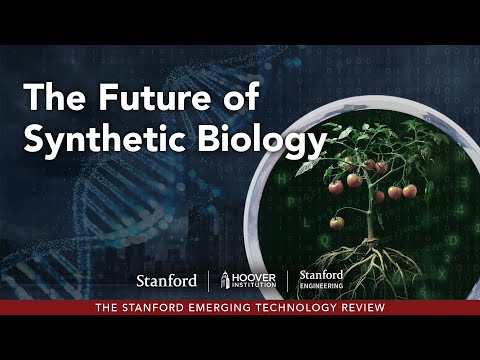
You know, the other day, I stumbled upon this wild YouTube video showing scientists creating living organisms from scratch. Like, seriously? Living things built in a lab? It blew my mind!
I mean, can you imagine if our old science teachers saw that? They’d probably faint right on the spot!
So, here’s the deal: advancements in synthetic organisms are changing the game. We’re talking about creatures designed to help us tackle some of today’s biggest problems.
From producing biofuels to curing diseases, these little guys could seriously reshape our future. Isn’t that something to think about?
Exploring the Potential Applications of Synthetic Biology in Modern Science
Synthetic Biology is like the coolest mash-up of biology and engineering you can think of. Imagine scientists getting all crafty with living organisms, tweaking them just enough to do some really amazing things. It’s not just about playing with genes; it’s about creating new functions and processes in these organisms that can help us tackle some serious problems.
One of the biggest potential applications of synthetic biology is in medicine. Picture this: instead of traditional drugs, what if we could engineer microbes to produce drugs on demand in our bodies or create vaccines that are tailored specifically to each individual? Some researchers are already developing bacteria that can detect diseases and even release drugs as needed. You follow me?
Then there’s the area of agriculture. We all know farming has its challenges—pests, diseases, changing climates. Scientists are exploring how to make crops that are not only more resilient but also more nutritious. For example, they’re working on genetically modifying plants so they can thrive with less water or even resist pests without pesticides. Just think how that could change food production!
And don’t forget about sustainability. Synthetic biology could help us make biofuels from organic waste or redesign microbes to break down plastics. This isn’t just pie-in-the-sky thinking; we’re talking about real possibilities here! Imagine using less fossil fuels and cleaning up our planet at the same time. That’s a win-win!
What really gets me excited is the potential for biomanufacturing. Instead of relying solely on chemical processes that can be harmful to the environment, what if we let engineered organisms churn out materials? From biodegradable plastics to eco-friendly chemicals, we’re looking at a whole new way to produce everyday items without wrecking the planet.
But wait—there’s a darker side too. With great power comes great responsibility, right? There’s a lot of debate around ethics and safety when it comes to synthetic organisms. What if these modified species escaped into the wild or began impacting natural ecosystems? It’s something researchers keep in mind as they explore these frontiers.
In a nutshell, synthetic biology is opening up fascinating avenues across various sectors—from healthcare innovation and agricultural advancements to sustainable practices—all while making us think about ethics along the way. Who knew science could sound so exciting? Seriously!
Exploring Emerging Trends in Synthetic Biology: Innovations Shaping the Future of Science
Synthetic biology is like this super-cool blend of engineering and biology, you know? It’s all about designing and creating new biological parts, devices, and systems. Let’s break down some of the emerging trends that are shaking things up in this field and what they could mean for the future.
First off, one of the most exciting* areas is the development of **synthetic organisms**. These are organisms whose genomes have been modified or created from scratch. Think about it: scientists can now design bacteria that can produce biofuels or even antibiotics more efficiently than before! So amazing, right? For instance, researchers have engineered certain strains of *E. coli* to churn out biofuel components, which could help reduce our reliance on fossil fuels.
Also, there’s this trend towards **gene editing technologies**, with CRISPR leading the charge. This nifty tool acts like a molecular pair of scissors. It allows scientists to cut DNA at specific locations to remove or insert genes. Imagine being able to eliminate genetic disorders from organisms—this is what CRISPR makes possible! It’s like giving nature a helping hand to fix itself.
Then we have **biomanufacturing** using synthetic biology as its backbone. This involves designing living cells to produce useful products on an industrial scale. Companies are already producing everything from plant-based meat alternatives to bioplastics through synthetic microorganisms! This not only helps reduce waste but also creates more sustainable production methods.
Another interesting aspect is the rise of **biosensors** developed through synthetic biology. These little guys can detect environmental toxins or disease markers in living organisms and send signals when something’s wrong. Imagine a wearable technology that could alert us if we’re exposed to harmful levels of pollution or viruses—it’s almost like having an internal alarm system!
Additionally, educational advancements in synthetic biology are taking root with programs aimed at bringing students into labs and giving them hands-on experiences early in their careers. Young minds learning how to play with DNA sequences can lead to innovative breakthroughs that we haven’t even thought about yet.
Now let’s talk ethics for a sec because it’s not all sunshine and rainbows here! As we delve into creating life forms or altering existing ones, there are big questions about safety and responsibility. For example: what happens if these synthetic organisms escape into nature? Will they disrupt ecosystems? There’s a lot of dialogue around this topic as scientists tread carefully forward.
In summary, synthetic biology is opening up doors we never knew existed—from environmental solutions to health innovations and beyond! While it offers incredible potential for positive change, it also challenges us to think deeply about how we use our newfound powers responsibly. What do you think? The possibilities seem endless!
Exploring Synthetic Biology: Innovative Products Transforming Science and Industry
Synthetic biology is like mixing art and science to create new life forms with specific functions. Imagine being able to design organisms that can produce medicine or clean up the environment. Sounds a bit like sci-fi, right? But it’s happening now!
Synthetic biology combines biology, engineering, and computer science. It’s about tweaking the genetic code of living things to get them to perform tasks that nature didn’t intend. You know how in programming, you can write lines of code to get a computer to do what you want? Well, in synthetic biology, scientists write DNA instead!
- Creating New Medicines: One amazing thing that synthetic biology does is help produce new medicines quickly. For instance, some researchers are using engineered bacteria to create insulin more efficiently than traditional methods.
- Bioremediation: This is basically using organisms to clean up our messes. Engineers have designed bacteria that can eat oil spills or break down plastic waste. It’s like sending in little “clean-up crews” made of germs!
- Alternative Fuels: We’re also seeing synthetic organisms being used to make biofuels from plant materials. This could reduce our reliance on fossil fuels while also being kinder to our planet.
- Agriculture Innovations: In farming, scientists are creating crops that need less water or are resistant to pests through genetic changes. That means farmers could grow more food with fewer resources—pretty important as the world population keeps growing!
You might be wondering about the ethical side of all this tinkering with life forms. Yeah, it raises some eyebrows! People worry about what happens if these engineered bugs escape into the wild or if we’re playing God by creating entirely new species. Those discussions are super important because they remind us we need rules and guidelines around this kind of research.
Think back to when you first learned about DNA in school—it’s like the blueprint for living things, right? Now imagine having a building set where you can swap out pieces of that blueprint at will! That’s pretty much what synthetic biologists do; they pick and choose which genes work best for their desired outcome.
In a world full of challenges like climate change and food shortages, synthetic biology offers some promising tools for tackling these issues head-on. However, it also comes with responsibilities because manipulating life isn’t something we should take lightly.
So yeah, synthetic biology is reshaping how we think about solutions in science and industry—from medicine and agriculture to cleaning up pollution. It’s exciting but definitely needs careful thought as we move forward into this brave new world!
So, synthetic organisms, huh? It’s a pretty mind-boggling topic. Basically, scientists have been working on creating living things from scratch or tweaking existing ones. This stuff goes beyond your usual science fair project—like, they’re actually designing organisms to do specific tasks. Can you imagine?
I remember sitting in my college bio class when they played a short clip about synthetic biology. There was this moment when they talked about engineered bacteria that could eat up oil spills. I mean, there I was, listening and halfway doodling in my notebook, then suddenly I perked up. Just the idea of tiny little bugs cleaning up a mess that we humans made? That’s kinda awesome! It made me think about how innovative we can be when we really dedicate ourselves to solving big problems.
So yeah, these advancements have some serious potential uses. Take medicine, for example! Scientists are dreaming up ways to design bacteria to deliver drugs right where they’re needed in the body or even help grow tissues for transplants. Imagine needing a new organ and instead of waiting around for a donor—bam! You just grow one using some synthetic cells like it’s no big deal.
But with great power comes great responsibility—or at least that’s what Uncle Ben would say! The thing is, while all this sounds super exciting, there are ethical questions floating around like pesky flies at a picnic. What if we create something that gets out of control? Or what if we end up playing God a bit too much? Makes you wonder where the line is.
And then there’s the whole aspect of synthetic organisms impacting ecosystems and biodiversity. Like, if we start introducing these engineered guys into nature to fix problems, what happens to the natural balance? It’s tricky territory!
Still though, it’s hard not to feel optimistic about what lies ahead. Synthetic organisms could really pave the way for cleaner energy sources and solve food shortages by engineering plants that use less water or grow faster in tough conditions. You know?
Thinking about it all makes me feel both excited and nervous at the same time—and that’s okay! The future is full of possibilities; it’s just up to us to steer it in the right direction. So let’s keep our eyes peeled because who knows what kind of cool stuff these brilliant minds will come up with next!