You know what’s funny? When I was a kid, I thought the human body was like an alien spaceship. Seriously! Just lots of buttons and lights. I mean, how does everything even work together?
So, when it comes to the female body, it’s kind of a world in itself, right? There are so many parts working like a well-rehearsed orchestra—or like a chaotic band trying to find their rhythm!
Every part has its role; some are more obvious than others. Like, you’ve got the heart pumping away while the ovaries are busy doing their thing. It’s all connected, and that’s pretty cool.
We’ll break it down together! You’ll see how everything fits and functions. This isn’t some dry textbook stuff; it’s more like checking out a hidden treasure map of the female form. Ready to explore?
Exploring the 10 Essential Components of the Female Reproductive System: A Scientific Overview
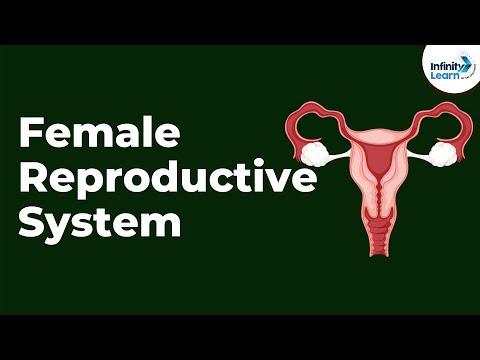
The female reproductive system is a fascinating piece of biology, working harmoniously to create life. Let’s break down the key components that make this system so essential.
1. Ovaries
The ovaries are like the powerhouses of the female reproductive system. You’ve got two of them, and they’re tucked away on either side of the uterus. They produce eggs (ovum) starting from puberty, around once a month during your menstrual cycle. And they also release hormones like estrogen and progesterone, which are crucial for regulating everything from your cycle to pregnancy.
2. Fallopian Tubes
Imagine tiny tubes leading right from the ovaries to the uterus. That’s what fallopian tubes are! When an egg is released from an ovary, it travels through these tubes. Fertilization usually happens here if a sperm is around to meet that egg. It’s quite a journey!
3. Uterus
Think of the uterus as a cozy home for a developing baby—when everything goes right, that is! It’s muscular and has the amazing ability to stretch as needed during pregnancy. The lining of the uterus thickens each month in preparation for a fertilized egg, but if nothing happens, it sheds during menstruation.
4. Cervix
The cervix acts like the gatekeeper between the uterus and vagina. It stays tightly closed during pregnancy but opens slightly during labor to let a baby out into the world! This structure also produces mucus that changes in consistency throughout your cycle, helping or hindering sperm passage depending on where you are in your menstrual rhythm.
5. Vagina
The vagina is more than just a passageway; it’s also an elastic tube linking external genitalia to your uterus. It plays multiple roles—serving as both the birth canal and part of sexual intercourse. Plus, it has its own flora (the bacteria living there), keeping everything balanced and healthy.
6. Vulva
The vulva refers to all those external parts: labia (the lips), clitoris (a little bundle of nerves), and other structures surrounding those areas. They protect internal organs and play an important role in sexual pleasure due to their sensitivity.
7. Clitoris
Speaking of sensitive spots! The clitoris has more nerve endings than any other part of the body—it’s designed specifically for pleasure! It might be small but trust me, it’s mighty when it comes to intimacy and sexual health.
8. Mammary Glands
Although not directly tied into reproduction itself, mammary glands become super significant post-birth since they produce milk for breastfeeding—a vital part of nurturing new life!
9. Endometrium
This is basically the lining inside your uterus that thickens each month to prepare for potential pregnancy—pretty cool stuff! If no fertilized egg shows up after ovulation, this lining sheds during menstruation—it’s all about making room for fresh starts!
10. Follicles
So much magic happens within those ovaries especially with follicles—tiny sacs where eggs mature over time before being released into those fallopian tubes each month.
Each part works together seamlessly; they’re like instruments in an orchestra creating beautiful harmony when functioning correctly—or sometimes hitting sour notes when things go awry! Understanding this intricate network not only helps us appreciate how incredible our bodies are but educates us on health choices too!
Exploring Bifolds in Women’s Anatomy: A Scientific Overview
Alright, let’s chat about bifolds in women’s anatomy. You might be pondering what on earth a bifold is, and that’s totally cool. So, a bifold refers to anatomical structures that have two distinct parts or layers. In the realm of women’s anatomy, we can find some interesting examples.
The Uterus is a great start. It has two main sections: the body and the cervix. The body is where a baby grows if pregnancy occurs, while the cervix acts like a gateway between the uterus and vagina. It’s fascinating how these two parts work together!
Now, let’s consider another example: the ovaries. They’re often described as having two sides since women typically have one ovary on each side of the uterus. Each ovary produces eggs and hormones like estrogen and progesterone. You see?
Then there’s also the labia, which can be broken down into two sets: the labia majora (the larger outer folds) and labia minora (the smaller inner folds). This dual structure serves important functions for protection as well as sensitivity.
You know what’s super interesting? The breasts also come into play here! They have lobes that can be thought of as bifolds since they’re divided into sections responsible for milk production during breastfeeding.
Some people might think that anatomy is just dry facts and figures, but it’s way more than that. It shows how intricately our bodies are designed to function together. If you’ve ever had a curious moment about how different parts of your body work harmoniously, you’re not alone!
This dual structure phenomenon isn’t just limited to women; it appears throughout nature! But when you’re looking at it through the lens of women’s anatomy specifically, it’s like stepping into an intricate web of connections that makes us all unique.
So yeah, there you have it! Bifolds are everywhere in women’s anatomy, showcasing how complexity is beautifully woven into design. Isn’t nature just mind-blowing?
Exploring the 7 Essential Organs of the Female Reproductive System: A Comprehensive Overview in Human Anatomy
Sure, let’s dig into the female reproductive system. It’s really cool how our bodies work, right? There are seven essential organs in this system that play a huge role in reproduction and overall health. Alright, here we go!
1. Ovaries
These are like the powerhouses of the female reproductive system. They’re almond-sized glands located on either side of the uterus. The ovaries produce eggs (ova) and hormones like estrogen and progesterone. So, they’re basically responsible for regulating a lot of important processes in your body.
2. Fallopian Tubes
The fallopian tubes are these two thin structures that extend from the upper corners of the uterus towards the ovaries. Think of them as highways for eggs! When an egg is released from an ovary, it travels through these tubes to reach the uterus. This is also where fertilization usually happens when sperm meets egg.
3. Uterus
Now, onto the uterus—a muscular organ shaped kind of like an upside-down pear. It has three main sections: the fundus (top), body (middle), and cervix (lower). The uterus is where a fertilized egg can implant and grow into a baby during pregnancy. If there’s no pregnancy, it sheds its lining during menstruation, which is kind of wild if you think about it!
4. Cervix
The cervix is at the lower end of the uterus, acting as a gatekeeper between it and the vagina. It has a small opening that expands during childbirth to allow a baby to exit. The cervix also plays a role in protecting your reproductive organs from infections.
5. Vagina
This muscular tube connects the external genitals to the uterus—it’s kind of like a passageway for both menstrual fluid and babies! The vagina has its own ecosystem with good bacteria that help keep things healthy and balanced.
6. Vulva
The vulva includes all those external parts: clitoris, labia majora, labia minora… you name it! Each part serves various functions—like pleasure or protection—and they all work together as part of your sexual health.
7. Mammary Glands
While not directly involved in reproduction per se, mammary glands are crucial for nurturing babies after birth. They produce milk through specialized ducts whenever driven by hormonal signals following childbirth.
So there you have it! These organs work together beautifully to support not just reproduction but overall health too. It’s amazing how they all function as one big team! Each one has its own role but contributes to this complex yet fascinating system we call human anatomy, right?
You know, when we talk about the female body, it’s easy to get caught up in the science of it all. But honestly, there’s just something so cool about understanding how everything works together. I remember this one time in high school during biology class. We had a guest speaker, a super enthusiastic doctor who brought in this huge anatomical model of the female reproductive system. I swear, everyone was a bit shy at first but as he explained each part—like the ovaries and uterus—it became so fascinating.
Looking at a comprehensive diagram of female body parts can really help demystify things. You see, the female body is complex and beautiful. It’s more than just labels like “ovaries” or “fallopian tubes.” Each part plays a crucial role in health and reproduction, but they’re also tied to emotional and physical well-being.
For instance, the ovaries are not just egg factories—they’re also involved in hormone production which affects mood and energy levels. And let’s not forget about the uterus! It’s amazing how it can nurture life; it’s like nature’s own little miracle worker!
Having diagrams that break everything down helps people connect with their bodies on another level. It reminds you that these are real parts of ourselves—not just things we hear about but never think to understand deeply. And honestly? Everyone should have access to this info without feeling embarrassed or overwhelmed.
So yeah, seeing those diagrams isn’t just for scientists or medical folks. It’s for everyone wanting to learn more about themselves or support someone else who might need it. Let’s keep diving into these discussions; knowledge is power after all!