Okay, so here’s a fun thought: Did you know that your body is like this super complex city? Seriously! It has roads, neighborhoods, and even power plants. And if you think about it, female bodies have some pretty amazing organs doing all sorts of important stuff.
I remember once chatting with a friend about how we take our bodies for granted. I mean, we just expect everything to work smoothly. But when you start diving into what each organ does, it’s like finding hidden treasures in your own backyard!
From the powerhouse of the heart to the intricate workings of reproductive organs, every part plays a key role in keeping everything running. It’s wild to think how these organs not only keep us alive but also help us stay balanced and healthy.
So let’s dig into it! You’ll see just how fascinating and crucial these female body organs really are.
Exploring the Most Vital Female Organ: A Scientific Perspective on Women’s Health
Exploring the Most Vital Female Organ
When we think about women’s health, it’s easy to get caught up in all the different organs and systems at play. But if we’re diving deep, one organ really stands out as vital: the ovary. Ovaries are like small powerhouses! They not only produce eggs but also hormones. It’s a big deal for overall health!
So, let’s break this down a bit.
What do Ovaries Do?
Ovaries have a couple of key roles. First off, they release eggs during ovulation. This is crucial for reproduction. Every month is like a little countdown, right? If an egg meets a sperm, boom! A new life can start. If not, well, that’s when menstruation kicks in.
But wait! There’s more to them than just making eggs. Ovaries also produce **hormones** like estrogen and progesterone. These hormones are super important for regulating your menstrual cycle and impacting mood, skin health, and even bone density.
Hormonal Balance and Health
You might be wondering why hormonal balance matters so much. Well, seriously think about it: if your hormones are off-kilter, it can lead to issues like PCOS or endometriosis. These conditions can mess with fertility and bring all sorts of other problems into play.
So maintaining healthy ovaries is key for menstrual regularity and overall women’s health.
The Menstrual Cycle Explained
Okay, let’s touch on the menstrual cycle itself because it illustrates why the ovaries are so vital:
- Follicular Phase: This is when follicles in the ovaries develop; one becomes dominant.
- Ovulation: That moment when an egg is released—super exciting!
- Luteal Phase: The body prepares for pregnancy; if no fertilization occurs, the cycle starts over.
This whole cycle takes about 28 days on average—a remarkable orchestration of biology!
The Bigger Picture of Women’s Health
Now let’s zoom out a bit because women’s bodies are interconnected systems. Ovarian health affects heart health too! Hormones influence everything from how your heart pumps blood to how you handle stress.
Say you’re experiencing irregular cycles or severe PMS symptoms; these could be signals from your body telling you something needs attention! Don’t ignore those signs.
Caring For Your Ovarian Health
You probably want to know what helps keep those ovaries happy and healthy. Here are some quick pointers:
- A Balanced Diet: Lots of fruits and veggies provide necessary vitamins!
- Regular Exercise: Keeping fit helps balance hormones.
- Mental Wellness: Reducing stress plays a huge role too.
It really is true that taking care of your mind often translates into better physical health.
In short, there you have it—ovaries might just be one part of the female anatomy, but they’re incredibly important for overall wellness. By being aware of their functions and keeping an eye on your reproductive health, you’re doing yourself a huge favor!
Exploring the 10 Essential Functions of the Female Reproductive System in Human Biology
The female reproductive system is like a well-oiled machine, working hard to keep everything running smoothly. It has some pretty essential functions that are crucial for health and reproduction. Let’s break it down together.
1. Ovarian Function: The ovaries are the stars of the show. They produce eggs, or ova, which are essential for reproduction. Each month, during the menstrual cycle, one ovary releases an egg, and this is called ovulation. You follow me?
2. Hormone Production: Ovaries also crank out hormones like estrogen and progesterone. These hormones regulate the menstrual cycle and affect everything from mood to bone health. It’s like they hold the keys to the body’s rhythm!
3. Fallopian Tubes: Alright, so when an egg is released, it doesn’t just hang out there; it travels down the fallopian tubes. This is where fertilization usually happens if sperm is around! Think of it as a highway leading to potential new life.
4. Uterus Function: Once an egg gets fertilized, it makes its way to the uterus—the cozy home for a developing baby. If implantation occurs, the uterus stretches and prepares to nurture a fetus over nine months.
5. Menstrual Cycle Regulation: The menstrual cycle is crucial for preparing the body for potential pregnancy each month. If no pregnancy occurs, hormone levels drop, resulting in menstruation—a natural process that signals a fresh start!
6. Cervical Health: The cervix acts like a gatekeeper between the vagina and uterus. It produces mucus that changes throughout your cycle—to either help or block sperm entry! And during childbirth? It dilates significantly to allow babies through.
7. Vagina’s Role: Speaking of pathways, the vagina serves multiple functions—it’s not just about reproduction! It’s also essential for sexual pleasure and provides passage for menstrual fluid and babies.
8. Protection Against Infections: A healthy female reproductive system comes with built-in protections against infections! The vaginal flora maintains acidity levels that keep harmful bacteria at bay—kind of like having your own little army!
9. Immune Response: The reproductive system also plays a role in immune defense! Special cells help protect against pathogens during events like pregnancy when immune response needs fine-tuning.
10. Psychological Impact: Hormones impact our minds too—you know what I mean? Fluctuations can affect mood and emotional well-being throughout life stages like puberty or menopause.
So yeah, there you have it—the essential functions of the female reproductive system woven into human biology! It’s amazing how all these parts work together beautifully but also need care and attention to stay healthy in every sense of the word.
Exploring the Female Reproductive System: Anatomy, Parts, and Functions in Human Biology
The female reproductive system is a pretty fascinating aspect of human biology. It’s not just about reproduction; it’s also closely tied to overall health. So, let’s break this down in a way that makes it all feel more relatable.
Overview
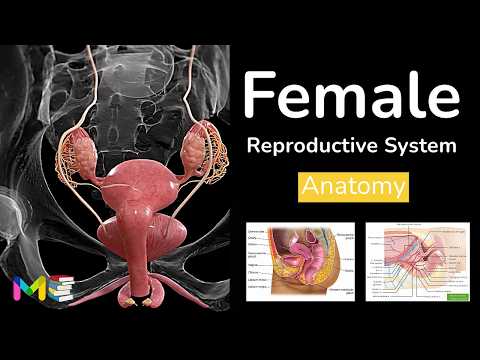
The female reproductive system includes various organs that work together in an incredible way. These include the ovaries, fallopian tubes, uterus, and vagina. Each part has its own role and importance in either reproduction or the menstrual cycle.
Ovaries
First up are the ovaries. These are two small organs located on either side of the uterus. You can think of them as the control center—sort of like a factory that produces eggs (ova) and hormones like estrogen and progesterone. Each month, during your menstrual cycle, one ovary releases an egg in a process called ovulation. This usually happens around the middle of the cycle.
Fallopian Tubes
Next are the fallopian tubes. These slender tubes connect the ovaries to the uterus. When an egg is released from an ovary, it travels down one of these tubes. If sperm is present (thanks to sexual intercourse), fertilization can happen here! It’s like a highway for eggs—a critical pathway for creating new life.
Uterus
Now onto my personal favorite: the uterus, often called the womb. This muscular organ is where a fertilized egg can implant and grow into a baby. If pregnancy doesn’t occur, the lining of this organ sheds each month during menstruation—this is why some people experience cramps or discomfort during their period! The uterine wall thickens and then sheds if there’s no pregnancy—it’s basically nature’s reset button.
Cervix
At the bottom of the uterus sits the cervix. It acts as a gateway between the vagina and uterus. During childbirth, it opens up to allow for delivery; before that, it plays a role in protecting against infections.
Vagina
Speaking of gateways—the vagina connects everything to the outside world! It’s where menstrual fluid exits, where sexual intercourse occurs, and it’s also how babies enter when born. Its walls are elastic and flexible; so cool how they can stretch when needed!
The Menstrual Cycle
Now let’s chat about that whole monthly thing—the menstrual cycle. Essentially, it’s about 28 days long (for many) but it can vary for different people. In those days:
This cycle doesn’t just help with reproduction; changes in hormone levels can affect mood and energy levels too!
The Importance of Health
Every part we talked about plays a massive role not just in reproduction but also in hormonal balance and overall health. Issues like polycystic ovary syndrome (PCOS), endometriosis, or even infections can impact these functions significantly.
So yeah! Understanding your body can help you stay healthy or spot any issues earlier on when you see something outta whack, you know? That knowledge gives you power over your well-being!
In short: The female reproductive system is super intricate yet beautifully designed for growth, change, life cycles—all essential parts making sure everything runs smoothly!
You know, when we think about health, we often picture doctors, medicines, or maybe even gym routines. But seriously, one of the most amazing things is just how incredible female body organs are. Each part has its own important role that keeps everything running smoothly. It’s like a well-oiled machine but a lot cooler!
Take, for instance, the ovaries. These tiny egg-producing powerhouses do so much more than we give them credit for! They not only help with reproduction but also release hormones like estrogen and progesterone. These hormones are crucial for regulating menstrual cycles and maintain bone density and heart health too. I remember once reading about a friend’s experience after she had her ovaries removed due to health reasons. The hormone changes were intense! She talked about how it felt like her entire body was shifting gears—it was eye-opening to see how much those little organs really matter.
Then there’s the uterus—a remarkable organ that can grow a whole human being inside it! Like, how mind-blowing is that? It plays a key role in menstrual cycles too. You might have heard the term “womb.” Well, that’s where all the magic happens during pregnancy—it’s literally where life begins.
And don’t forget about the breasts! Apart from their obvious role in feeding babies through breastfeeding, they’re also hormonal barometers for women. Changes in breast tissue can indicate shifts in your overall health or even hint at possible issues ahead of time. That’s why regular self-exams are encouraged; it’s all about being aware of what’s going on with your body.
I think one of the coolest things about female anatomy is how interconnected everything is—like a team working together for your well-being! When one organ isn’t functioning right, it can throw off the balance of others too; just like when my friend started experiencing issues after her thyroid went haywire. It felt like her entire body’s rhythm was out of sync.
So really, understanding these organs and their functions isn’t just academic—it’s essential for every woman to know herself better and make informed health choices throughout life. Being aware helps us appreciate our bodies more and empowers us to take charge when something feels off.
So next time you’re thinking health thoughts or maybe dealing with your own body’s ups and downs—take a moment to appreciate everything happening inside you. It really is pretty amazing stuff!