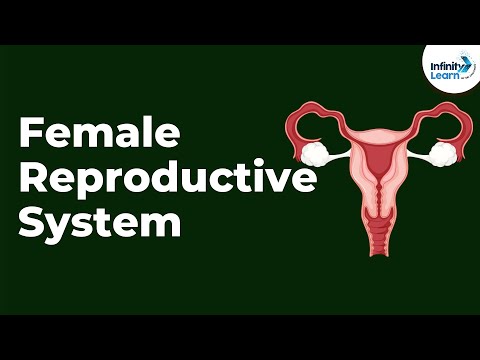
You know what’s kind of wild? The human body is like a super intricate piece of art just waiting to be understood. Seriously! And when it comes to women, the anatomy is just, well, fascinating!
I mean, think about it. You’ve got all these amazing organs and systems working together like a well-oiled machine. Yet somehow, many of us don’t really talk about it much. It’s almost like this secret world that’s not so secret.
So let’s get into it! A good diagram can really shine a light on how everything fits together. It’s like having a map for your own body, helping you understand what’s going on inside. Are you curious? Let’s explore this together! Trust me; it’ll be fun!
Exploring the 7 Key Structures of the Female Reproductive System: A Comprehensive Overview in Biological Sciences
Alright, let’s chat about something super fascinating: the female reproductive system. It’s complex, but it plays a crucial role in human life. So, what exactly are the key structures that make it tick? Buckle up; here we go!
1. Ovaries
First up, we’ve got the ovaries. Think of them as tiny production factories, where eggs are created and hormones like estrogen and progesterone are made. Each woman is born with about one to two million immature eggs, but by puberty, that number drops significantly to around 400,000. Only about 400-500 will ever be ovulated during a woman’s reproductive years.
2. Fallopian Tubes
Next on our tour are the fallopian tubes. These slender tubes connect the ovaries to the uterus. They’re vital because this is where fertilization usually occurs! Imagine a highway for sperm traveling toward an awaiting egg. The walls of these tubes have tiny hair-like structures called cilia that help transport the egg toward the uterus after ovulation.
3. Uterus
The uterus, often referred to as the womb, is a muscular organ that supports a developing fetus during pregnancy. It has three layers: the perimetrium (outer layer), myometrium (middle muscle layer), and endometrium (the lining). The endometrium thickens each cycle in preparation for a potential pregnancy and sheds if no fertilization occurs—hello menstruation!
4. Cervix
The cervix, which is basically the gateway between the uterus and vagina, plays several roles. It produces mucus that changes consistency throughout the menstrual cycle—a bit like magic! When you’re ovulating, it becomes slippery to help sperm navigate through.
5. Vagina
The vagina, often called the birth canal, connects external genitals to internal structures like the uterus. It’s elastic and can expand during childbirth or sexual intercourse—amazing right? It also has an important job in protecting against infections with its self-cleaning ability.
6. Vulva
The external part of female genitalia is known as the vulva. This includes everything from your labia to your clitoris—the latter being super sensitive and packed with nerve endings! It’s not just there for show; it plays an essential role in sexual arousal.
7. Mammary Glands
Mammary glands aren’t directly involved in reproduction but are essential for nurturing newborns post-birth. These glands produce milk through a complex hormonal process involving prolactin and oxytocin—super crucial for infant survival.
This whole system is pretty nifty when you think about it! Each structure works together harmoniously to support not just reproduction but also overall health through hormonal balance.
If you ever get curious about how these parts all cooperate during different stages of life or how they change throughout puberty or menopause—well, it’s endlessly interesting! You see how everything fits together?
Exploring Bifolds in Female Anatomy: A Scientific Perspective
You know how sometimes you hear terms that sound fancy but just need a bit of explaining? Well, one of those topics is bifolds in female anatomy. It’s an interesting area to explore, and it can really help us understand the female reproductive system better.
Let’s break down what bifolds are. Now, in anatomical terms, a bifold generally refers to any structure that essentially has two halves or parts. This could be used in various contexts within the body. But in female anatomy specifically, it often relates to structures like the **labia**, which form part of the vulva.
When we talk about the **vulva**, we’re referring to the external part of the female reproductive system. It consists of several important structures:
- Labia Majora: These are the larger outer folds of skin that protect other structures.
- Labia Minora: These are smaller inner folds that are often more delicate.
- Clitoris: A very sensitive organ that plays a key role in sexual arousal.
Each of these components has its own unique shape and function, and they come together beautifully—like nature’s own puzzle piece!
Here’s where it gets even more fascinating: The labia can have different shapes and sizes from person to person. Some folks might have more pronounced labia majora or minora, while others might have them blend together seamlessly. This diversity is completely normal!
Now let me tell you about an experience I had once with a friend who was super curious about her own anatomy after taking a biology class. We ended up having this really open conversation about how every woman’s body is unique, especially when it comes to things like labial structure. It was kind of eye-opening for both of us—we realized how little we’d learned in health classes before.
Moving on from just appearance, it’s important to recognize that these structures also serve protective roles for internal organs like the **vagina** and **urethra**. Think about how your skin protects everything inside your body—these outer parts do something similar!
Interestingly enough, variations in labial shape can sometimes lead to discomfort during activities like running or sex. And you know what? So many women go through this without realizing it’s completely natural! The thing is, understanding our bodies can empower us and make us feel more comfortable talking about them.
So next time you think about bifolds or any part of female anatomy for that matter, remember how diverse and beautiful they can be! It’s not just science—it’s also personal stories and connections we make along the way as we learn more about ourselves and each other.
In summary:
- Bifolds refer to paired structures like the labia.
- The vulva includes several key parts: labia majora, labia minora, and clitoris.
- Diversity in anatomy is normal and should be celebrated!
Overall, exploring topics like this opens up amazing conversations between friends—and helps all of us understand our bodies better!
Exploring Female Human Body Anatomy: A Comprehensive Study of Real Person Physiology
The female human body is a marvel of biology, right? Like, it’s designed for so many amazing functions, from reproduction to nurturing life. If we take a closer look at female anatomy, we can really appreciate how all the parts work together.
Reproductive System
First up, let’s talk about the reproductive system. This is where things get interesting! The **ovaries** are two small organs that produce eggs and hormones like estrogen and progesterone. Think of them as tiny factories churning out what’s needed for reproduction.
Then there’s the **fallopian tubes**, which are like highways for the eggs. When an egg is released from an ovary, it travels down one of these tubes toward the uterus. And speaking of the uterus, this is where a fertilized egg can grow into a baby. It’s super thick and muscular—kind of like a stretchy balloon!
Breasts
Now, let’s not forget about breasts. They’re more than just a secondary sexual characteristic; they play a crucial role when it comes to feeding babies! Breasts are made up of glandular tissue that produces milk after childbirth. It’s fascinating how they change throughout life—growing during puberty, changing during pregnancy, and fluctuating with hormonal shifts.
Hormones
Speaking of hormones, they have such a huge impact on female physiology! For example:
- Estrogen: This hormone helps regulate the menstrual cycle and affects mood.
- Progesterone: Important for maintaining pregnancy.
- Oxytocin: Known as the “love hormone,” it plays a big role during childbirth and bonding with infants.
Hormones can be tricky too; they fluctuate throughout life stages like puberty, menstruation, pregnancy, and menopause.
Circulatory System
Now let’s switch gears to the circulatory system. Women generally have smaller hearts than men but do you know what’s cool? The heart pumps just as effectively! Plus, women tend to have different responses when it comes to heart disease—like experiencing symptoms differently.
Skeletal System
And then there’s the skeletal system. Women usually have wider hips compared to men because, well… childbirth requires some extra room! Also, women often face issues like osteoporosis later in life due to lower bone density after menopause.
Nervous System
When it comes to the nervous system? Women sometimes experience pain differently than men—and research suggests this could be due in part to biological factors like hormones affecting pain perception.
In my opinion—it makes total sense why understanding all these differences matters not just in medicine but also in daily life experiences.
So there you have it—a peek into female anatomy that highlights just how complex and incredible it really is! Each part plays its own special role that contributes to overall health and function in uniquely feminine ways. All these systems interact seamlessly—it’s kind of poetic when you think about it!
You know, anatomy can feel a bit like a maze sometimes. I mean, when you first look at a diagram of the female body, it’s like, wow, there’s so much going on in there! Seriously, though. Each part plays its role, and understanding it feels key to so many aspects of health and education.
I remember back in high school, sitting in biology class. We had this amazing teacher who made everything relatable. She’d say, “Think of the uterus like a cozy little room where new life could hang out!” At first, I giggled; it’s funny to picture it that way. But then I got it! It helped me connect with the science behind reproduction and women’s health much better than just memorizing terms.
Looking at a comprehensive anatomy diagram today reminds me of that experience. It’s not just lines and labels; each label relates to something significant—whether it’s how hormones affect our mood or how cycles work every month. Just think about it: our bodies are full of intricate systems all working together without us even thinking about it most days!
This education isn’t just for students or future doctors either. It’s for everyone! Knowing your body encourages better conversations about health and can break down stigmas surrounding certain topics—who knew diagrams could be that powerful?
So yeah, next time you see an anatomy diagram, take a moment to appreciate the details. It’s not just about the science; it’s like getting to know a complex friend who has their own stories to tell! And honestly? The more we learn about ourselves, the more empowered we become to take care of our health and well-being.