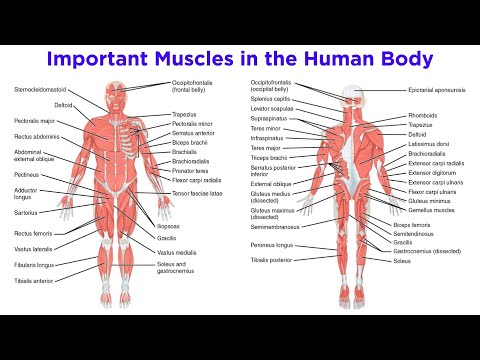
Ever tried flexing in front of the mirror and wondered what’s really going on under your skin? You know, all those muscles making you look strong or maybe just a bit goofy?
Well, it’s kind of wild when you think about it. We’ve got over 600 muscles in our bodies! Yeah, 600! That’s like a small army doing all sorts of stuff for us. Some are super tiny, while others are like big football players.
So, if you’re curious about those squishy powerhouses that help us move, lift weights or just grab snacks, then you’re in the right place. Let’s break down this fascinating world with some cool diagrams that’ll make it all click for you.
Think of it as a backstage pass to your own body’s concert—where every muscle has its solo moment!
Comprehensive Diagram Guide: Visualizing Human Muscles for Scientific Study (PDF Download)
When you think about the human body, it’s pretty wild to realize how many muscles are working together all the time. Seriously, there are over 600 muscles! Each one has a job, from helping you run to just keeping you upright while you’re chilling on the couch. So, let’s break down how visualizing these muscles can help in scientific study.
First off, a comprehensive diagram of human muscles is like a roadmap for understanding movement and anatomy. You know how sometimes it helps to see where things are on a map? It’s the same with muscles! When you see them laid out in a diagram, it’s easier to learn about their locations and functions.
When we talk about diagrams, we’re really diving into different muscle groups. Here are some key ones:
- Skeletal Muscles: These are probably what first come to mind when you think of “muscle.” They’re attached to bones and help with voluntary movements—like flexing your biceps when you’re showing off!
- Cardiac Muscle: This one works hard so you don’t have to think about it—it keeps your heart pumping. It’s an amazing example of involuntary muscle action.
- Smooth Muscles: Found in places like your intestines or blood vessels, these babies also work without you thinking about it.
Visual diagrams can really shine when you’re studying muscle actions too. Each muscle has specific actions based on its location and attachments. For instance:
- The biceps brachii helps bend the elbow.
- The extends the knee—super important for running or kicking.
- The hamstrings, which help flex the knee—yeah, those muscles sometimes protest after leg day!
Now let’s chat about how useful these diagrams can be in real-life scenarios. Say you’re learning about human anatomy for health professions. A clear visual can assist you in memorizing where each muscle is located and what it does—priceless stuff during exams!
Also, if you’re someone who loves fitness or maybe even dance, knowing your muscles visually can totally up your game! Understanding muscle function translates directly into better workouts or smoother moves on the dance floor.
You know what else is cool? Technology has made accessing these diagrams super easy! You can find PDF downloads online that offer everything from simple sketches to detailed anatomical drawings showing nerves and blood flow too.
In summary, visualizing human muscles is essential for both scientific study and practical applications in everyday life. Whether you’re studying for class or just curious about how your body works while crushing that workout session—you follow me? Those diagrams serve as valuable tools that make learning engaging and effective.
Comprehensive PDF Guide to Human Muscular Anatomy: Explore All Muscles of the Human Body
If you’re curious about the muscles in your body, you’ve landed on the right topic. Human muscular anatomy is vast and intricate, but it’s also fascinating! So let’s break it down a bit.
To start off, our body has more than 600 muscles. Yep, over 600! They come in three types: skeletal, smooth, and cardiac. Each plays a unique role. Skeletal muscles are what you typically think of when someone mentions “muscles.” They’re the ones that let you move your arms and legs. Smooth muscles are found in places like your intestines and blood vessels, helping things move along quietly without you even noticing. Cardiac muscle? Well, that’s just heart magic—it’s what keeps your heart pumping!
Now let’s talk a bit about why understanding these muscles is super cool. Imagine lifting something heavy—like, I don’t know, a really big box or maybe trying to impress someone at the gym with a new weightlifting record. It’s your skeleton working with skeletal muscles that’s making all that happen! If one muscle group is weak or not working right, it can affect how well you perform physically. How wild is that?
When we look at diagrams of human muscular anatomy—those ones that can feel like a textbook war zone—they usually show layers upon layers of muscles. The main large groups include:
- Deltoids: These help lift your arms out to the side.
- Pectorals: Your chest muscles are key for pushing movements.
- Biceps: The classic “show-off” muscle on the front of your upper arm.
- Triceps: These are on the back of your upper arm and help extend it.
- Lats: Short for latissimus dorsi—big back muscles important for pulling motions.
And then there’s this whole world below the surface! Muscles like the core (not just abs but deeper layers too) give you stability and strength in everyday movements.
A neat little side story here—I remember trying to do a plank one time at home… got 20 seconds in before realizing my core wasn’t as strong as I thought! The thing is, so much goes into these simple-looking actions we do all day.
Don’t forget about flexibility! Muscles need to be both strong and flexible to function well. Ever see those amazing gymnasts twisting and flipping? Their muscle coordination takes both strength training and stretching.
If diagrams feel overwhelming sometimes—that’s totally normal! They’re packed with information because each muscle connects with others through tendons which are tough bands holding them together. A comprehensive diagram guide can definitely help visualize how these attachments work.
In essence, exploring human muscular anatomy isn’t just an academic exercise—it’s about understanding how our bodies work every day. Whether you’re athletic or just trying to carry groceries up the stairs without feeling like you’ve run a marathon, knowing how our muscles function can change everything!
So keep digging into those diagrams; they’re not just pretty pictures full of Latin names—they’re keys to unlocking your own body’s potential!
Comprehensive Guide to Human Muscle Anatomy: Free PDF Download
Alright, let’s chat about human muscle anatomy and why it’s super interesting. You might not think about it every day, but your muscles do a ton of work. They help you move, hold things, and even breathe, which is kind of wild when you think about it.
Muscles are basically like the engine of our body. They’re categorized into three main types: skeletal, smooth, and cardiac. Skeletal muscles are what you normally think of when talking about muscles. These are the ones attached to bones and controlled by your conscious mind, allowing you to do everything from lifting weights to waving goodbye to a friend at the bus stop.
Then there’s smooth muscle, which lines your organs. You don’t have to think about these—they’re doing their thing all on their own! And finally, there’s cardiac muscle found only in the heart. This one’s super special because it works nonstop to pump blood throughout your body.
Now, let’s get into some juicy details that make up our muscular system:
- Muscle Fibers: Muscles are made up of tiny cells called fibers. These can be slow-twitch or fast-twitch fibers depending on if they’re built for endurance or quick bursts of strength.
- Connective Tissue: Muscles aren’t just floating around; they’re connected through layers of connective tissue that help them work together as a team.
- Bones and Joints: Every time you move a muscle, it pulls on a bone across a joint. This relationship is crucial for movement and stability.
- Nervous System: Your brain sends signals through nerves telling muscles when to contract or relax… kind of like an intricate text message system!
And speaking of contraction—when a muscle contracts, it shortens and pulls on tendons that attach it to bones. Imagine trying to pick up your backpack; when your bicep contracts, it shortens so you can lift that weight!
Have you ever felt sore after an intense workout? That’s often due to tiny tears in those muscle fibers during exercise—don’t worry though! They heal stronger than before thanks to rest and proper nutrition.
So why does understanding muscle anatomy matter? Well, knowing how your body works can really enhance how you train or even just go about daily tasks without injuring yourself. For instance, if you’re aware that your hamstrings play such an important role in running or jumping… maybe you’ll take extra care when stretching them before going for a jog.
Visualizing these muscles with diagrams can be super helpful too! Diagrams break down complex structures into manageable slices so we can see exactly where each muscle is located relative to others in the body. A good visual guide will show origin points (where the muscle starts) and insertion points (where it ends), making everything clearer.
So yeah, while I can’t just hand over a PDF download here (sadly!), there are lots of resources out there with great visuals covering this stuff comprehensively. Just remember: understanding your muscles not only helps with fitness goals but also connects you deeper with how incredible our bodies truly are!
You know, it’s kind of wild when you think about how many muscles our bodies have. Seriously, over 600! That’s like a whole neighborhood of tiny engines working just beneath our skin, helping us move, breathe, and even just stand up straight. It’s pretty cool stuff.
So, I remember this one time in high school during gym class—we were playing dodgeball (classic right?). Suddenly, I felt this strange tightness in my leg. Just out of nowhere! I ended up limping around like a pirate for the rest of the day. But that little incident got me curious about muscles. Like, what were those invisible forces making me feel so weird?
Now imagine you’re looking at a diagram of human muscles. At first glance, it might just seem like a jumble of lines and labels. But when you take a closer look? Wow! Each one has its own name and function. You’ve got your biceps for lifting stuff and your quads helping you run. Isn’t it neat how they all work together?
Visualizing those muscles isn’t just about anatomy; it can really help understand what happens when we exercise or get injured. If you strain your hamstring while trying to impress your friends with some fancy moves (I’ve been there), knowing where that muscle is and what it does can inform how you treat it.
And hey, while diagrams may look technical with their colors and names—like “rectus abdominis” or “latissimus dorsi,”—they’re also a fascinating reminder of human capability. Sometimes that simple illustration can inspire someone to exercise more or even pursue a career in medicine or sports science.
So yeah, muscle diagrams are way more than just pictures on a page; they connect us with our own bodies in ways we often overlook! The next time you catch yourself wincing after an intense workout or feel that burn during squats—take a moment to appreciate those beautiful muscles doing their thing. Isn’t biology incredible?