So, picture this: you’re in biology class, and your teacher rolls out a giant poster of a skeleton. You can practically hear the collective groans of your classmates. “Why do we need to know about bones?” someone whispers. But, like, wait a second! Bones are way cooler than they seem!
You might not realize it, but our skeletons are like nature’s blueprint for structure and movement. They hold us up, protect our organs, and even produce blood cells. Crazy, right?
That’s why a good annotated skeleton diagram is like having a map in your favorite video game. It shows you not just where things are, but why they matter too! It’s all about making those bones come alive (no pun intended) in our minds.
So let’s chat about how these diagrams can help us understand the amazing world of anatomy without putting us to sleep!
Comprehensive Annotated Skeleton Diagram for Enhanced Scientific Education – Downloadable PDF
Alright, let’s break down the idea of an annotated skeleton diagram for scientific education. You know, these diagrams aren’t just a bunch of lines and labels; they’re a super helpful tool for learning about anatomy!
What is an Annotated Skeleton Diagram?
So, basically, it’s like a map of the human skeleton but with extra notes. Each bone and joint is labeled clearly. You might see arrows pointing to parts with little explanations right next to them. It helps students understand where everything goes—like having your own personal guide!
Why Is It Useful?
These diagrams offer a visual way to grasp complex information without drowning in text. When you study bones or joints, seeing them laid out can make all the difference. For instance, if you look at a femur (that’s your thigh bone), knowing its name and location can help when you learn about leg movements later on.
Key Components You’ll Often Find:
- Bones: Each major bone has its name highlighted.
- Joints: And don’t forget those crucial connections between bones!
- Landmarks: Important features are pointed out because they show where muscles attach.
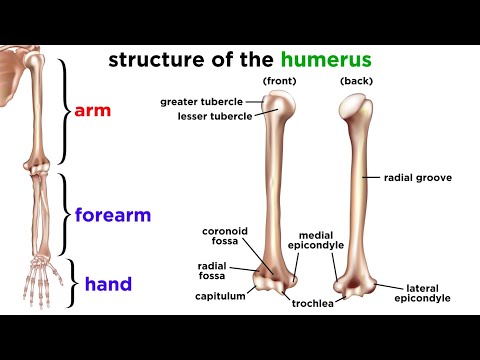
So, consider this: you’re trying to explain how the arm moves when someone lifts something. If you point to the humerus (the upper arm bone) in an annotated diagram, suddenly things start clicking!
Anatomy Beyond Bones
It doesn’t stop with just bones and joints. Sometimes these diagrams also show related structures like muscles and tendons. This adds layers to your understanding. Like, if you’re looking at the shoulder area, knowing which muscles are nearby helps explain why certain movements happen.
The Power of Visual Learning
Ever sat in class staring at a textbook? Yeah, me too! That’s why annotated diagrams are so clutch; they engage different parts of our brains compared to plain old text. Your eyes move around the images while your brain connects dots—literally!
Plus, teachers love using these resources because they make their lessons more interactive. Like when someone asks questions about specific bones during class discussions; showing them on a diagram can clarify everything quickly.
And hey, if you’re wondering where to find these handy diagrams? A lot of educational websites offer downloadable PDFs that you can print out or keep on your device for quick access during study sessions.
In wrapping this up—you might think that learning about anatomy sounds dry or boring. But trust me! An annotated skeleton diagram can really spice things up and help solidify knowledge in a fun way! So give it a go next time you’re cracking open those anatomy books. You’ll probably be surprised at how much more engaging it gets!
Comprehensive Annotated Skeleton Diagram: Enhancing Scientific Education and Understanding
Sure! Let’s tackle the topic of annotated skeleton diagrams in a way that’s straightforward and easy to digest.
Skeleton diagrams are like cheat sheets for understanding how our bodies are put together. They show the bones and their relationships without all the extra stuff, making it easier for you to focus on what matters. An annotated skeleton diagram takes this a step further by labeling each bone and sometimes including information about them. It’s like having a friendly tour guide for your skeleton!
When you look at an annotated skeleton diagram, you’ll see labels pointing out every major bone. For example, your skull, which protects your brain, or the femur, your thigh bone that’s super important for standing and walking. Each label helps to reinforce what you’re learning about human anatomy, making it stick better in your mind.
One of the coolest things about using these diagrams in education is how they create connections between what you see and what you learn. You can look at a skeleton and visualize where muscles attach or how joints work. This visual approach is super beneficial—especially for those of us who might struggle with traditional textbook learning.
Moreover, these diagrams aren’t just useful in classrooms. You might find them in physical therapy sessions or even when studying biology at home. It’s basically all about seeing structures clearly so you can understand function better.
To break it down further, here are some key points about annotated skeleton diagrams:
- Visual Learning: They cater to visual learners by providing clear images paired with labels.
- Enhanced Memory: Associating names with shapes helps commit information to memory.
- Easier Discussions: When everyone’s looking at the same diagram, it makes discussions more productive.
- Diverse Applications: They’re used everywhere from schools to medical training.
Imagine being in a biology class where everyone’s trying to memorize over 200 bones without any visuals—yikes! It can get overwhelming fast. But with an annotated diagram, suddenly everything feels more manageable and way less intimidating.
Also, if you’re studying for exams related to anatomy or biology, having these diagrams handy can totally save you from drowning in information overload. Just pull out that labeled map of bones when you’re cramming; it’ll help keep things organized!
So yeah, whether you’re a student or just someone curious about human anatomy, annotated skeleton diagrams make our complex anatomy feel more approachable—and kind of fun too!
Comprehensive Human Skeleton Diagram: A Visual Guide for Anatomy and Biological Studies
The human skeleton is pretty amazing, right? It’s this complex framework that gives our body structure, protects vital organs, and allows us to move around. But if you look at it closely, it’s also a little bit like a puzzle, with each piece having its own special job. Let’s shine a light on some important aspects of the human skeleton that might interest you.
First off, there are 206 bones in an adult human body. Yeah, that’s a lot! When we’re born, we have about 270 bones. As we grow older, some of those bones fuse together, which is how we end up with fewer as adults. This whole fusing thing is interesting because it helps make our skeleton stronger as we face the world—like when you fall down and get back up again!
Now, let’s break down the major parts. The skeleton can be divided into two main sections: the axial skeleton and the appendicular skeleton.
- The axial skeleton consists of 80 bones including the skull, vertebral column (that’s your spine), and rib cage. This part acts like the central axis of your body—kind of like how a tree trunk holds all its branches!
- The appendicular skeleton, on the other hand, includes 126 bones in your arms, legs, shoulders, and hips. These are what let you wave hello or give someone a high five!
If you take a closer look at your skull—which has over 22 bones—it’s not just there for looks; it protects your brain and gives shape to your face. Ever bumped your head on something? Yeah… thanks to your skull for keeping all that brain stuff safe!
Moving down to your spine—you’ve got those vertebrae working hard to keep you standing tall. It’s made up of 33 small bones stacked on top of each other. Besides supporting your posture and letting you bend over to pick things up (like pizza!), they also help protect your spinal cord from injury.
Your rib cage is another cool feature. It not only protects vital organs like your heart and lungs but also plays a vital role in breathing! When you take a breath in or out, those ribs move flexibly thanks to muscles in between them.
An important part of learning about anatomy is understanding joint types too! Joints connect bones at different points and allow motion:
- Hinge joints (like knees) allow movement in one direction.
- Ball-and-socket joints (like shoulders) enable rotation—think about throwing a ball!
The cool thing about studying these structures is realizing how everything works together seamlessly—like an orchestra making beautiful music! Your muscles attach to bones via tendons; when they contract, they pull on bones to create movement.
Lastly, let’s touch upon bone health because it matters! Bones constantly undergo remodeling throughout life—a process where old bone tissue is replaced with new ones. Getting enough calcium from foods like milk or leafy greens is crucial for keeping them strong.
Caring for our skeletal system really pays off down the line; nobody wants brittle bones later cause then turning into “the hunchback” isn’t exactly glamorous! So keep moving & munching those nutrients for healthy bones.
If you’ve ever taken anatomy classes or just looked at diagrams in textbooks feeling puzzled by all those labels—now you know why they’re there! Each label corresponds to essential parts that make up this incredible framework we rely on every single day.
You know, when I first stumbled upon an annotated skeleton diagram, it kinda felt like a treasure map for understanding our own bodies. I mean, seriously! Just think about it—those paper drawings that break down bones into labels and explanations can be super helpful for anyone trying to figure out what makes us tick. It’s like getting a backstage pass to the concert of life.
I still remember being in biology class, staring at a giant skeleton hanging from the ceiling. We were supposed to learn about bones and joints but honestly, I was more fascinated by how the whole thing came together. That’s where these diagrams come in handy. They take something complex and make it accessible!
Let’s say you’re looking at a skeleton diagram with arrows pointing to the skull or the femur. Each arrow has notes that explain what each bone does or its importance in our body. You get this amazing visual combined with information that just sticks in your brain a lot easier than some dense textbook passage. Plus, you don’t feel like you’re just memorizing; it feels more like putting together pieces of a puzzle.
And what’s really cool is how useful they are across different levels of learning—from kids in school to adults curious about anatomy. It helps build that foundational knowledge you can stack on later as you dive deeper into subjects like medicine or physical therapy.
But here’s the catch: while these diagrams are super helpful, they can’t replace hands-on learning. Imagine being able to touch and feel those bones! That tactile experience adds another layer of understanding that just can’t be captured on paper.
So yeah, annotated skeleton diagrams? They’re not just pretty illustrations; they bridge the gap between confusion and clarity when learning about our bodies. Seeing them as tools rather than mere images transforms how we engage with science—and honestly, isn’t that what education is all about?