You ever accidentally knock your funny bone and feel that zing? Kinda makes you realize how delicate our bodies can be, right?
Well, speaking of bones, let’s chat about the rib cage. I mean, it’s not just some random set of bones hanging out in your chest. It’s like Mother Nature’s way of giving your organs a nice, comfy hug! Imagine a cozy blanket all snug around your heart and lungs.
Isn’t it wild how something so simple is so crucial? The rib cage does more than just look cool—it’s a vital part of keeping you alive. So, come along as we uncover what makes this skeleton structure tick! You ready for this little bone-y adventure?
Understanding the Rib Cage: Key Functions in the Human Skeletal System
The rib cage is one of those underappreciated parts of our body that we often take for granted. You probably don’t even think about it until you, like, take a deep breath or maybe get a little bump in the chest. But the rib cage does some pretty amazing stuff. So, let’s break down its key functions and structure.
First off, what is the rib cage? Well, it’s basically a bony structure that encases your heart and lungs, protecting them from all the bumps and bruises life throws your way. Imagine you’re playing a game of soccer and accidentally get kicked in the chest—thank goodness for that rib cage!
Key Functions:
- Protection: The primary job of your rib cage is to safeguard vital organs like your heart and lungs. Think of it as nature’s armor!
- Support: The ribs also provide support to your upper body. They give shape to your torso, helping you stand tall (or slouch if you’re feeling lazy).
- Respiration: When you breathe in, your rib cage expands; when you breathe out, it contracts. This movement brings air into your lungs so you can keep on living!
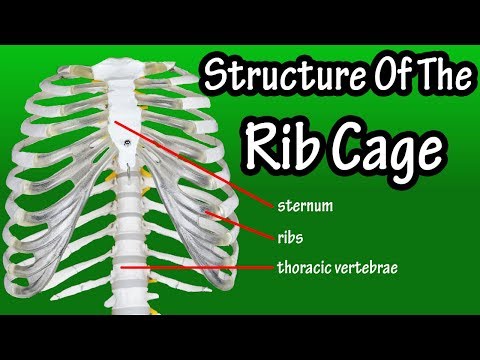
Now, let’s talk about how it’s put together. The rib cage isn’t just randomly slapped together; it’s made up of 12 pairs of ribs that are connected to the spine at the back and are held by cartilage in front. The top seven pairs are called “true ribs” because they connect directly to the sternum (that’s your breastbone). The next three pairs aren’t attached directly—they’re “false ribs”—and then there are two floating ribs at the bottom that do their own thing.
So here’s something cool: each time you inhale, a part of this whole process involves muscles between each rib called intercostal muscles contracting and relaxing! It’s like a little dance happening inside your body.
But wait—there’s more! Have you thought about how important this whole setup is for other activities? Like singing or playing an instrument? Your rib cage supports those deep breaths needed for belting out tunes or blowing into instruments. It’s literally holding up all that musical magic!
And let’s not forget about how injuries can affect this rock-solid structure. A broken rib might sound minor compared to other injuries, but, wow—it can seriously hurt! It can make breathing painful because each inhalation presses against that area where it hurts.
In summary: your rib cage does vital work protecting organs and aiding in breathing while giving shape to your torso. Every time you take a breath or laugh until it hurts (which we all do), remember it’s thanks to this incredible skeletal feature keeping everything safe inside! So next time someone asks what role this bony fortress plays in our bodies, you’ll have some solid info to share!
The Evolutionary Biology Behind the Unique Structure of the Rib Cage
The rib cage is one of those things that you might take for granted but, boy, it’s a fascinating structure! You see, evolution has played a huge role in how our rib cages are shaped and organized. Let’s break this down.
First off, what is the rib cage? It’s basically a bony structure that surrounds and protects your heart and lungs. Think of it as a sturdy shield, but one that’s really flexible too. This flexibility is super important because it allows you to breathe without restriction. Can you imagine if every breath felt like squeezing through a tiny tube? Oof!
One key reason for this unique structure is the need for both protection and mobility. Your rib cage is made up of 12 pairs of ribs connected to your spine at the back and most of them curve around to attach to the sternum in the front. This creates a cage-like effect that can expand as you inhale and contract as you exhale. Kind of like how a balloon works—you blow air into it, and it stretches out; then let go, and it shrinks back down.
Now, let’s talk about evolution. Our ancestors’ rib cages adapted over time based on their environment and lifestyle needs. For example:
- Early Mammals: These guys had more flexible rib cages which allowed for greater lung capacity. Just like today’s mammals who need stamina for running or flying!
- Dive Adaptations: Certain marine animals have evolved more flattened ribs allowing them to dive deeper while still keeping their vital organs safe from pressure.
- Flight Adaptations: Birds have lightweight bones in their rib cage so they can soar through the skies without being weighed down.
What happens if there’s a mutation or change in this structure? Well, some changes can lead to *rib anomalies*, which could affect breathing or overall body function. Not usually good news! But evolutionary changes tend to favor structures that work best for survival.
Additionally, there’s an interesting connection between biodiversity and rib cage structure across species. For instance, reptiles have more rigid structures compared to mammals—a reflection of their different lifestyles. Less flexibility means they don’t need as much lung capacity since many reptiles are slower movers.
And speaking of movement, the way our ribs work with muscles is also crucial! Intercostal muscles sit between your ribs allowing them to move during breathing—just think about how much effort goes into something you do automatically every day!
In summary, the structure of the rib cage shows us a beautiful blend of form and function shaped by millions of years of evolution. It’s not just about looking cool; it’s all about survival! So next time you take a deep breath or feel your ribs expand and contract, give some thought to all those generations that paved the way for that simple yet vital action!
Exploring the Structure and Function of the Rib Cage: A Comprehensive PDF Guide on Skeleton Science
The rib cage is like your body’s protective fortress. Seriously, it’s not just there for decoration; it plays a crucial role in keeping your vital organs safe. But let’s break it down a bit more.
Structure
So, the rib cage is made up of 24 ribs in total—12 pairs, to be exact. They all attach to your spine at the back and curve around toward the front, giving you that nice rounded shape. The top seven pairs are known as true ribs; they connect directly to the sternum, or breastbone, via cartilage. Then there are three pairs of false ribs, which connect indirectly through that same cartilage. Finally, we’ve got two pairs of what we call floating ribs. These guys don’t connect to anything in the front at all; they’re just hanging out on their own!
Each rib has a head that joins with your spine and an angled body that makes a curve around your torso. It’s like a fancy archway! And here’s something cool: the flexibility of these ribs is super important because it lets your chest expand and contract when you breathe.
Function
But wait—what does all this mean for you? Well, first off, the rib cage acts as a shield for critical organs like lungs and heart. Think about how fragile those organs are! Without that bony barrier, they’d be pretty vulnerable to injury from falls or impacts.
The rib cage also helps us breathe! Like I mentioned earlier, when you inhale, your diaphragm moves down and creates more space in your chest cavity—the ribs help with this by moving outward as well. So yeah, every breath you take involves this amazing structure working hard behind the scenes.
Support and Movement
Another cool thing about the rib cage is its connection to muscles! Muscles like the intercostals sit between each rib and help control breathing further by expanding or contracting during inhalation or exhalation. You can think of these muscles as small engines helping keep air flowing in and out.
On top of everything else, it gives shape to our bodies too! It helps support not just our torso but also plays a key role in posture—so standing or sitting up straight? That’s partly thanks to our trusty rib cage!
In short, when we talk about skeleton science—specifically regarding the rib cage—it’s all about understanding how these bones work together for protection, movement, and breathing. Pretty fascinating stuff when you really think about it!
You know, when you think about it, the rib cage is kind of like a superhero suit for your vital organs. It’s not just there to look tough; it’s working hard to protect your heart and lungs every single day. Pretty cool, right? I remember once when I was a kid, I took a tumble while riding my bike. I landed right on my side and thought for sure I’d broken something. But all that protective armor of my ribs kept me safe—just a bad bruise!
The rib cage structure is fascinating. You’ve got 12 pairs of ribs that curve around from the spine to the front of your body. The upper seven pairs are called “true ribs” because they attach directly to the sternum, which is like this flat bone in the middle of your chest. Then there are three “false ribs” that connect indirectly via cartilage, and the last two pairs are known as “floating ribs.” They’re basically like introverted friends who don’t want to join the party; they don’t attach to anything at the front.
Think about it: this unique structure allows for flexibility while still providing support. When you breathe in, your rib cage expands and contracts like an accordion, making room for your lungs to fill up with air. That’s pretty dang impressive when you realize how automatic it all is! You’re not standing there thinking about expanding those ribs—it just happens.
One of the coolest things is how our rib cages vary from person to person. Some people have broader chests or differently shaped ribs based on genetics or even lifestyle factors like sports or exercise. This variability can affect things on so many levels—from how efficiently we breathe to our overall posture.
And here’s something interesting: our rib cages are also involved in some unexpected ways during intense activities. If you’re running hard or lifting weights, those muscles between your ribs (called intercostal muscles) engage more than you might think! So while they mostly get overshadowed by other muscles we flex during workouts, they play their part too.
So next time you’re taking a deep breath or feeling that little twinge after a fall—remember that sturdy rib cage of yours isn’t just bones; it’s part of an intricate system designed to keep you safe while you go about living life! How neat is that?