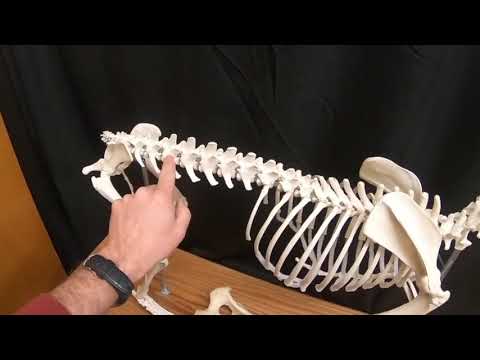
You know how sometimes your dog just seems to defy gravity? Like, they jump onto the couch like it’s nothing and you’re left wondering if they’re part kangaroo or something?
Well, let me tell you, that crazy agility comes from their awesome skeleton structure. Seriously, have you looked at a dog’s bones? They’ve got some wild stuff going on.
Each part of their skeleton is crafted for speed and flexibility. It’s like nature designed them for playdates and epic squirrel chases!
So, let’s take a peek under those adorable furry exteriors and break down what makes up the canine skeleton. It’s pretty cool stuff you won’t want to miss!
Exploring the Anatomy of Canine Forelimbs: A Comprehensive Guide for Veterinary Science
Sure! Let’s chat about the anatomy of canine forelimbs. It’s super interesting how dogs use their front limbs for everything from running to playing fetch. So, grab a comfy seat, and let’s break this down.
The skeletal structure of a dog’s forelimb is quite complex. Basically, it consists of several bones working together to provide strength and flexibility. Here’s a quick breakdown:
- Scapula: This is the shoulder blade. It connects to the humerus and allows for a greater range of motion.
- Humerus: This long bone runs from the shoulder to the elbow. Think of it as the upper arm in humans.
- Radius and Ulna: These two bones are in the lower part of the forelimb. They work together to support movement while allowing rotation, much like your own forearm.
- Carpals: These are small bones that form the wrist joint. They help absorb impact when dogs run.
- Metacarpals: Each paw has five metacarpal bones, basically making up the “hand” part of a dog’s leg.
- Phalanges: These are toe bones. Dogs usually have four toes on each paw and one “dewclaw” that sometimes appears higher up on their leg.
Every single bone plays a role in how well a dog can run, jump, or chase after its favorite toy. But wait—it gets even cooler!
The muscles attached to these bones are essential too! For instance, you’ve got muscles like the biceps brachii that help flex the elbow. When your pup stretches out to grab that stick you threw, it’s those muscles doing all the heavy lifting.
And let’s not forget about ligaments and tendons—without them, movement would be all over the place! Ligaments connect bone to bone while tendons link muscle to bone. They keep everything in check.
Nerves, such as those from the brachial plexus (a big nerve network), also play a critical role in controlling movement. These signals help your dog respond quickly whether it’s catching a frisbee or avoiding stepping on something sharp.
But here’s an interesting twist: Did you know that **dogs** have more flexible forelimbs compared to other animals? Yup! This allows them to navigate rough terrains easily or make those sharp turns during play.
Lastly, because dogs come in different sizes and breeds, their forelimbs aren’t all built alike. A Great Dane’s limb structure will look different from a Chihuahua’s! That diversity affects how they move and perform various activities too.
So there you have it! The anatomy of canine forelimbs is an intricate dance between bones, muscles, nerves, and connective tissues all working together so your furry friend can run wild with joy! Isn’t it amazing how much goes into something we take for granted when we watch them frolic outside?
Comprehensive Guide to Veterinary Skeletal Anatomy: Understanding the Framework of Animal Biology
Alright, let’s talk about the skeletal anatomy of our furry friends, especially dogs! It might sound a bit technical, but don’t worry, I’ll keep it chill and straightforward.
The **skeleton** is like the framework of an animal’s body. Think of it as a sturdy support system that helps with movement and protects vital organs. In dogs, this framework is made up of **bones**—206 in total for most adult pooches! Yeah, that sounds like a lot, right? But each bone plays its part in helping your dog run around like crazy.
The Dog’s Skeleton: Key Parts
First off, you’ve got two main sections to think about: the **axial skeleton** and the **appendicular skeleton**.
- Axial Skeleton: This includes the skull (head), vertebral column (spine), and rib cage. It’s basically the core structure that supports the dog’s head and protects their brain and spinal cord.
- Appendicular Skeleton: This comprises limbs and their connection points to the body. So think legs (front and back) and all those bones that make running or jumping possible!
Each part has its unique job. For example, did you know that a dog’s skull has different shapes based on breed? Some have broad heads while others have long snouts—super cool right? This variation can affect how they breathe and even how those adorable barks sound!
Now let’s focus more on those limbs since they’re crucial for movement. The front legs are quite different from the back legs. Front legs are structured to absorb shock during running or jumping; they’ve got bones called radius and ulna that help with flexibility. Meanwhile, in back legs, you’ll find strong bones like the femur that’s built for power when they sprint after a squirrel or just goof around at the park.
Interesting Fact: Dogs’ bones aren’t just hard; they have a special inner structure called **bone marrow**, which produces blood cells! That’s mind-blowing if you think about it.
Another thing to note is how dog bones can heal. Like humans, if our canine pals break or fracture a bone during playtime mishaps (which happens way too often!), their bodies can start fixing them up! It’s not instantaneous but over time—thanks to something called remodeling—the bones rebuild themselves.
The Importance of Healthy Bones
Keeping your dog’s skeleton healthy is super important for overall well-being. Providing good nutrition plays a part here. Calcium and phosphorus are key minerals that keep those bones strong; without them, your pup could run into bone issues later on—like osteoporosis!
Also, exercise is crucial! Regular walks or playtime helps maintain bone density. Just imagine all those playful jumps when they’re chasing after balls!
In summary, understanding canine skeletal anatomy isn’t just for veterinarians or animal docs; it’s helpful for pet owners too! Knowing about your furry friend’s framework can lead to better care decisions down the line—you follow me? So next time you’re playing fetch or simply watching them lounge around blissfully on the couch, remember their skeleton is doing some serious work behind every cute move!
Comprehensive Overview of Scapula Bone Anatomy in Canine Biology
The scapula, or shoulder blade, is a super important part of a dog’s skeleton. Seriously, it plays a key role in how your pup moves and runs. It’s kind of this flat, triangular bone that gives the shoulder its shape and connects to the humerus, which is the bone in the upper arm.
So let’s break it down a bit more, shall we? Here are some essential points about canine scapula anatomy:
- Structure: The scapula’s shape allows for flexibility and range of motion. It has two main surfaces: the dorsal surface (which faces up when your dog is standing) and the costal surface (which faces inwards towards the ribcage).
- Features: There are several crucial features to note. For example, the spine of the scapula is this prominent ridge that you can actually feel along the top when you pet your dog. It leads to something called the acromion – a little bony projection that helps with muscle attachment.
- Articulations: The scapula connects to other bones via joints. The most important one is where it meets the humerus at the shoulder joint (glenohumeral joint). This joint allows for a lot of movement, helping dogs run fast and jump high!
- Muscle Attachments: Many muscles attach to the scapula, enabling movement. For instance, muscles like supraspinatus and infraspinatus help lift and rotate their front legs.
- Blood Supply: The scapula receives blood from various vessels like the suprascapular artery. This blood flow keeps all those muscles and tissues healthy so your furry pal can stay active.
You know what’s really cool? The way different breeds have slightly varied shapes of their scapulas! A Greyhound’s might be longer and more angled for speed while a Bulldog’s could be more robust because they are built differently.
In addition, because dogs rely heavily on their front limbs for activity – whether it’s sprinting after a ball or just plain goofing around – having a strong and properly shaped scapula is crucial for their overall health.
So next time you see your dog stretching or leaping around joyfully, remember how much work those shoulder blades are doing behind all that play!
So, let’s chat about dog skeletons for a minute. You might think, “A skeleton is just a skeleton,” but let me tell you, there’s a lot more going on in those furry little frames than you’d expect!
Dogs have some pretty interesting bones that are tailored specifically for their way of life. For example, did you know that their forelimbs are designed for running and playing? Their humerus, radius, and ulna are structured to give them a strong push and help them chase that squirrel they’ve been eyeing. I mean, just seeing a pup sprinting across a park can make your heart race!
I remember as a kid watching my dog run after sticks like they were the most exciting thing ever. My parents didn’t understand why I’d get so excited over something so simple. But when I watched him stretch those legs out—his bones working in perfect harmony—I got it. It was like watching nature’s design at work!
Now, look at their spine. It’s super flexible! This lets them twist and turn while running at full speed without injuring themselves. That crazy agility is thanks to the vertebrae being connected in such a way that they can move freely while still providing structure.
And what about their skull? It’s packed with special features depending on the breed. Smaller dogs have shorter snouts compared to larger breeds like Greyhounds or Great Danes. This impacts not just how they look but also how they breathe and even how loud they bark! Like, have you ever heard that little Chihuahua? They can be quite vocal for such small frames.
There’s also this really cool thing called the pelvis which supports everything from movement to bone structure connection—it’s crucial for their walking and running abilities! The shape varies among breeds too. Some dogs need sturdier builds for strength while others need lighter structures for speed.
So when we consider the anatomy of our canine friends, it’s not just dry facts; it’s about understanding what makes them who they are—those playful personalities wrapped in unique bone structures designed by nature to do what they love most: run and play with us! How amazing is that?