So, let me tell you a little something. Did you know that if you took all the bones in your body and laid them end to end, they’d span about 15 feet? Crazy, right? Like, that’s taller than a giraffe!
But here’s the kicker—those bones aren’t just sticks holding you up. They’re like a busy city of their own, with each part having its own job and purpose. Seriously!
Remember when you were a kid and thought bones just made you strong? Well, they do way more than that! They protect your insides, store minerals, plus they’re constantly changing and healing. How cool is that?
Anyway, let’s dive into this fascinating world of human bones. You’re gonna find out so much about your own body—maybe even stuff that’ll blow your mind a little!
Understanding the Structure of Human Bone: An In-Depth Exploration in Anatomy and Physiology
Let’s talk bones! Seriously, human bones might not seem super exciting on the surface, but they’re like the underlying framework of your body. Think of them as the sturdy scaffolding holding everything together.
First off, did you know there are about 206 bones in an adult human body? That’s right! When you’re born, you have around 300 bones, but some of them fuse together as you grow up. Kind of like when you accidentally stick two puzzle pieces together and can’t get them apart.
Now let’s break it down a bit more. Bones can be divided into different types based on their shapes and functions:
- Long Bones: These are found in your arms and legs. They’re made for movement and support.
- Short Bones: Like those in your wrist and ankles, these provide stability without too much movement.
- Flat Bones: Think your skull or ribs. They protect vital organs.
- Irregular Bones: These have complex shapes, like the vertebrae in your spine.
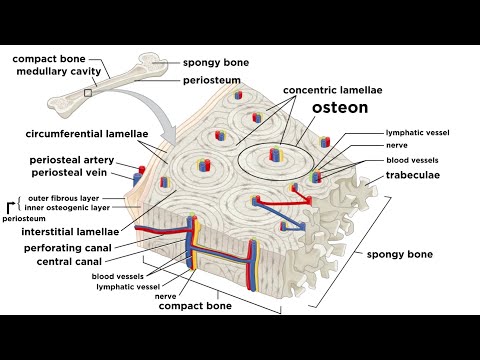
So what makes up a bone? Basically, a bone has two main parts: compact bone and spongy bone.
The compact bone is the hard outer layer that looks dense and tough—like the outer shell of a nut! Inside that tough exterior lies the spongy bone, which is lighter and has lots of tiny holes (don’t worry, it’s not as flimsy as it sounds). This inner structure helps keep bones light while still being strong enough to handle pressure.
And don’t forget about bone marrow. It occupies the spaces within spongy bone and is crucial because that’s where blood cells are produced! Picture this: while your bones might seem inert from outside, they’re bustling cities of activity on the inside!
Now here comes something really cool: how do bones stay healthy? Well, they go through a process called remodeling. Essentially, old bone tissue gets broken down by cells called osteoclasts, while new tissue gets built up by osteoblasts. It’s like a constant renovation project happening within you.
But here’s something to keep in mind—your lifestyle impacts this whole system too! Activities like weightlifting or running strengthen bones by making them denser. On the flip side, if you don’t get enough nutrients or if you’re sedentary for long periods? Your bones might become weaker over time—like letting an old building fall into disrepair.
Finally, let’s not overlook something super important: age affects our bones too! As we get older, our bodies produce less new bone material than they break down. This can lead to conditions like osteoporosis where bones become fragile—a serious concern for many people.
So next time you think about all those times you tripped or fell (you know we’ve all been there), remember how resilient those bones of yours really are! They’re strong but delicate at the same time—a perfect blend just waiting to hold all those adventures ahead.
Exploring Osteology: The Scientific Study of Human Bones and Its Importance in Anthropology
Osteology is the scientific study of bones. It’s like being a detective but for skeletons, you know? When you look at bones, you can learn a ton about not just individual health but also about entire populations. Sounds cool, right?
Why should we even care about bones? Well, they tell stories—stories of how people lived, what they ate, and even how they died. For anthropologists, studying human bones helps to piece together the puzzle of human evolution and cultural practices.
To start with, let’s break down the structure of human bones. Bones are made up of living tissue that grows and changes over time. They’re made mostly of collagen (a protein) and minerals like calcium phosphate that give strength. That combo makes your bones super sturdy yet flexible. You know how sometimes you see a skeleton in a horror movie? It looks all creepy and fragile. But in real life? Your bones are pretty tough!
Here are some key reasons why osteology is essential:
- Health Insights: By studying bones, researchers can identify signs of diseases or malnutrition from long ago.
- Cultural Practices: Bones can reveal burial rituals or even dietary habits by looking for specific markings or wear patterns.
- Evolving Understanding: Comparing modern bones to ancient ones helps us understand how much humans have changed over millions of years.
- Forensic Applications: Forensic anthropologists can identify remains in criminal investigations by examining bone structure and identifying trauma.
Have you ever broken a bone? When it heals, it actually goes through some fascinating changes! That healing process is one thing osteologists study closely. Bones are like your body’s natural repair shop; they rebuild themselves after injuries—a cycle that continues throughout life.
And speaking of life cycles, the process called ossification, which is how cartilage turns into bone as we grow up, is crucial for getting from tiny baby to adult. Babies have way more cartilage at birth because their bodies need to be flexible as they come into this world!
Now picture this: imagine an archeological dig where scientists uncover an ancient burial site. They find a collection of skeletal remains…so what do they do? They analyze them for clues! From the shape of skulls to wear on teeth—every little detail tells something about that person’s life and environment.
So when we talk about osteology within anthropology, it’s not just about looking at bones—it’s really about connecting with history on a personal level. Each skeleton holds secrets; each crack or mark tells tales lost in time.
Anyway, next time you hear someone mention osteology or maybe even see a skeleton decoration around Halloween—think beyond the spooky vibes! These were once living people with stories that reflect wider human experiences across ages and cultures.
Totally fascinating stuff if you ask me!
Exploring Human Anatomy: The Scientific Study of the Structure of the Human Body
Exploring human anatomy is like peeling back the layers of a fascinating onion, right? Each layer reveals something cool about how our bodies work. When we talk about the structure of the human body, there’s a lot of ground to cover. Let’s focus on one pretty essential part: the **comprehensive structure of human bones**.
First off, bones are not just hard, dry things that keep us upright. They’re actually living tissues, filled with cells and minerals. They do so much more than just form our skeleton; they help produce blood cells and store essential nutrients like calcium and phosphorus. Isn’t it wild to think about that?
Now, let’s break it down even further:
- The Skeleton System: This is made up of around 206 bones in an adult. It’s divided into two main parts: the axial skeleton (which includes the skull, spine, and ribs) and the appendicular skeleton (which includes arms and legs). Together they give us shape and support.
- Bone Structure: Bones have a complex structure. They’re made up of a hard outer layer called cortical bone and a spongy inner layer known as trabecular bone. The spongy part is where you can find bone marrow—this is where your body produces blood cells!
- Growth and Repair: You might not know this, but bones can regenerate! When you break a bone, special cells called osteoblasts go to work repairing it. They’re like little construction workers building up new bone material.
- Types of Bones: There are several types of bones in your body: long bones (like your femur), short bones (like those tiny wrist ones), flat bones (think skull), and irregular bones (like vertebrae). Each type plays its role in movement or protection.
Here’s a fun thought—think back to when you were little, trying to impress your friends by explaining what happened when you fell off your bike. You probably had some wild stories about how brave you were! But under all that tough talk was your body working hard healing those scrapes or maybe even that broken collarbone.
Now, part of what makes anatomy so interesting is how interconnected everything really is—like those old-school puzzles where every piece fits together. Your **bones** work with muscles for movement; nerves help control them; organs rely on them for protection—it’s all one big team effort!
But wait… there’s also something super cool called **bone density**! As we get older, it can decrease if we don’t take care of ourselves. That’s why keeping active with some weight-bearing exercises can be super beneficial! It’s almost like giving your bones a workout.
So there you have it—a sneak peek into the incredible world of human anatomy focusing on our very own skeletal system! From providing structure to supporting all sorts of bodily functions, bones are pretty remarkable when you dive into their science. Next time you think about what holds you together—literally—you’ll have a bit more appreciation for those sturdy little structures hanging out beneath your skin!
Alright, let’s talk about bones. I mean, we all have them, right? But what you might not realize is how incredibly complex and fascinating they are. Seriously, if you start digging into the anatomy of human bones, your mind might just get blown.
So picture this: when I was a kid, I broke my arm playing soccer—classic move! I remember sitting in the hospital waiting room, feeling nervous and a little scared. But as I sat there, I couldn’t help but think about how my body was already working hard to heal itself. That’s when it hit me: our bones aren’t just solid structures; they’re living tissue, constantly undergoing change.
Now let’s break it down a bit. All those bones in your body—over 200 of them (yes, you heard that right!)—form a framework called the skeleton. They provide support like the beams in a building but also protect vital organs and allow us to move around without turning into jelly.
The thing is, bones are kind of like superheroes. They come in different shapes and sizes for different functions. Have you noticed how long and strong your femur is compared to your wrist bone? That’s because some bones need to bear weight while others are meant for flexibility and movement.
And then there’s this whole process called remodeling that happens all the time. Your bones are constantly being broken down by cells called osteoclasts and rebuilt by osteoblasts—talk about teamwork! It’s like an ongoing construction project inside your body that helps keep everything strong and healthy as we age or deal with injuries.
But here’s something that might surprise you: bone health isn’t just about things like calcium or vitamin D; it involves some serious balancing acts between hormones too! Stress can actually impact your bone density over time. Isn’t that wild? It really shows how interconnected our bodies are.
So next time you think about your skeleton—or even if you’re just sitting there listening to the sound of your own joints popping—you might want to appreciate those hidden complexities going on inside you. Our bones tell stories of strength and resilience while also reminding us to take care of ourselves physically and mentally.
In short? Bones rock! They’re way more than just a rigid structure; they’re dynamic players in our health game. And maybe next time someone breaks an arm at soccer practice, we can share a little knowledge instead of just commiserating over ice cream!