So, the other day, my buddy decided to challenge me to a race. Big mistake, right? I mean, I haven’t run since… well, let’s not get into that. It got me thinking about how our bodies work—especially those long bones in our legs.
You know those big bones that look like sticks? They’re called long bones, and they’re way more important than we give them credit for! Seriously, without them, we’d all be wobbling around like jelly.
Think about it. These bones not only give us structure but also help us move around like pros. It’s pretty wild when you dig into how they support everything we do every single day—from sprinting to sitting on the couch binge-watching your favorite show.
So, yeah! Let’s chat about why these long bones are such MVPs in our lives!
Understanding the Function of Long Bones in Human Anatomy: A Comprehensive Exploration
So, let’s talk about long bones. You know, those super important structures in our bodies that help us move around and support our weight. They’re basically the framework of our skeletal system, and without them, life would be pretty limited.
Long bones are found mainly in the arms and legs. Think about your humerus in your upper arm or your femur, which is the big bone in your thigh. These bones are longer than they are wide, which is why we call them “long.” And they aren’t just sticks; they have some really cool features.
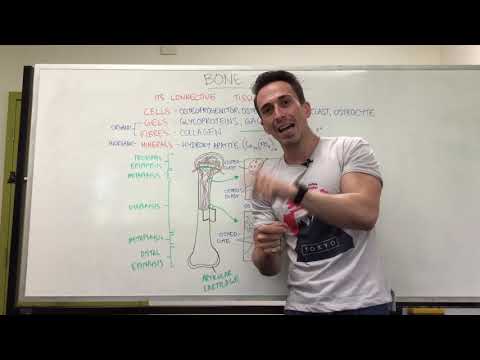
First off, long bones are super strong but light at the same time. How do they pull that off? Well, it’s all about their structure. The outer layer is made of hard cortical bone that gives it strength. Inside, there’s a softer area called marrow where blood cells are produced. Seriously, think of it as a factory inside a tall building!
Now let’s get into their functions. One major job they do is support our body weight. When you stand or jump, these bones take on a lot of pressure and force. Imagine running down a hill: your femur just absorbed all that impact like a champ.
Another key role is facilitating movement. When muscles contract, they pull on tendons attached to the long bones to create movement in joints—like bending at the knee! This teamwork between muscles and long bones is essential for walking or even doing a backflip (if that’s your thing!).
Long bones also play a part in producing blood cells. Inside those hollow centers we talked about earlier—where bone marrow hangs out—your body creates red blood cells to carry oxygen around and white blood cells to fight off infections. Without these processes, you’d be feeling sluggish at best!
And let’s not forget about growth! As you grow up, long bones keep growing too until you hit adulthood. Growth plates at each end of these bones gradually close as maturity kicks in, which basically tells your body: “Okay, we’re done growing taller now.” Kind of cool to think about how much work goes into just standing up straight!
Oh! And don’t get me started on their role in storing minerals like calcium and phosphorus; it’s like having a little pantry inside your body for when you need extra nutrition.
While sometimes we might take them for granted—like when you’re lounging on the couch binge-watching shows—long bones keep you standing tall and active every single day of your life.
Anyway, next time you’re stretching after sitting too long or kicking a soccer ball down the field, give some love to those long bones doing their thing behind the scenes! They might be underappreciated but trust me—they sure have got your back (and legs)!
The Role of Bones in Structural Support: Insights from Biology and Anatomy
Alright, so let’s talk about bones. You probably don’t think much about them day-to-day, but these hard structures are absolutely vital for our bodies. Seriously, without bones, we’d be like jellyfish! Think of them as the scaffolding that holds everything together.
Bones provide structural support. They give your body shape and keep everything in place. Without them, all of your organs would just flop around, which is not exactly ideal!
Now, when we talk about the role of long bones specifically—those are the bigger ones in your arms and legs—it’s pretty cool how they function. They are engineered to bear weight and help with movement. For example, your femur, the thigh bone, is not just any bone; it’s the longest bone in your body and can bear loads like nobody’s business. It basically supports you when you stand up or jump around.
- Weight Bearing: Long bones bear weight during activities like walking or running. Without strong long bones, your legs wouldn’t be able to handle even your own body weight!
- Movement: Long bones act as levers. When muscles contract, they pull on these bones to create movement at the joints. Imagine swinging a bat; it’s the same principle!
- Bone Marrow: Inside these long bones is a soft tissue called bone marrow where blood cells are produced. Not only do they support you structurally but they help keep you healthy too!
If you’ve ever seen someone with a broken leg or arm, you’ll immediately understand how crucial long bones are for mobility and support. When they’re fractured, that person can barely walk or move properly until it heals. The healing process itself involves more biological magic than you might think—it starts by forming new blood vessels before rebuilding those sturdy structures.
You know that feeling of relief when you finally sit down after standing for a while? Yeah, that’s your bones doing their job! They help manage pressure and distribute loads throughout your body while keeping everything functional.
So next time you’re out for a jog or even just standing in line at the grocery store, give a little nod to those long bones working hard behind the scenes! They may not be as glamorous as other parts of our bodies but trust me; without them being tough yet flexible enough to handle daily life—they really do rock!
The Role of Bone in Human Mobility: Understanding Its Function in the Field of Biomedical Science
Bone is like the superhero of our bodies, you know? It’s not just there to give you shape; it plays a huge role in how you move and support yourself. Think about all those times you’ve jumped, run, or even just walked to the fridge. That’s your bones getting the job done!
So, what exactly do bones do? Well, let’s break it down:
- Support: Bones provide a rigid structure that supports your body. Without them, we’d basically be blobs of jelly!
- Mobility: Long bones like the femur (that’s your thigh bone) are crucial for movement. They act as levers that muscles pull on to create motion.
- Protection: Bones protect vital organs. For instance, your ribcage shields your heart and lungs. Isn’t that cool?
- Blood Production: Inside some bones is bone marrow, where red blood cells are made. These cells carry oxygen throughout your body.
The long bones—like the femur I mentioned before, along with the tibia and humerus—are particularly important for *mobility*. They’re designed to handle weight and stress while allowing for a range of movements.
If you’ve ever bumped into something hard and felt that pang of pain in your leg or arm, it was likely because those long bones were absorbing some serious impact! They have this fantastic ability to bend slightly without breaking—thanks to their structure—and this helps in reducing injuries when you’re active.
You might find it pretty interesting that bones can actually change over time! When you lift weights or do activities that put stress on them, they respond by getting stronger through a process called remodeling. It’s like they’re saying “Bring it on!”
Bones don’t just stop functioning as we age—they actually adapt! However, if we don’t keep them healthy by exercising and eating a balanced diet rich in calcium and vitamin D, things can take a turn for the worse. Conditions like osteoporosis can occur when bone density decreases.
Think back to when you learned to walk—all those little falls helped strengthen your bones! Each time you landed on them (hopefully not too hard!), they were working behind the scenes to get stronger while supporting your growing body.
Your body has this amazing partnership with these skeletal structures: they support mobility while also protecting what’s most vital inside. So next time you’re running around or doing everyday tasks, just remember: it’s all thanks to those trusty long bones giving you strength and support!
You know, when you think about bones, it’s easy to picture just a stack of hard stuff inside us. But long bones, like your femur or tibia, are way more interesting than that! These guys actually play a super crucial role in how we move and support our bodies.
I remember when I was a kid, I fell off my bike – classic, right? Anyway, I landed pretty hard on my leg. As I sat there on the pavement feeling sorry for myself, I realized that my leg wasn’t just a limb; it was this amazing structure holding me up! Long bones are like the beams in a building; they give you strength and stability. Without them, well, we’d basically be puddles on the floor!
So here’s the thing: long bones are not just about being sturdy. They contain marrow too—a sort of factory for blood cells! Can you believe that? It’s like having your own little workshop right inside your body. So when you’re out running or even just sitting at your desk, these bones are doing double duty: keeping you stable and producing blood cells for you.
And let’s not forget their role in movement! Long bones act as levers when our muscles pull on them. You’ll notice this when you stretch out your arms or legs; they help extend and flex, allowing us to walk or reach for something high up. The connection between muscles and bones is what makes all those cool movements possible. You’ve probably seen how athletes use their limbs gracefully when they sprint or jump—it’s all thanks to this incredible partnership.
But then again, don’t take them for granted! As vital as they are to our mobility and support system, these long bones can suffer from wear and tear too—fractures or conditions like osteoporosis can happen if we don’t take care of ourselves well enough. Kind of gives you pause to think about how much we rely on them daily.
In a nutshell, long bones might seem like simple structures but they’re much more like the unsung heroes of our skeletons. They’re working hard to keep us standing tall and moving smoothly through life! It’s truly incredible how nature has designed us this way—every little detail plays its part in the grand scheme of things.