You know that moment when you stub your toe and, oh man, the pain just shoots through your whole body? It’s wild how something so small can make you feel like you’ve been hit by a truck.
Well, that painful little buddy is part of a fascinating family—206 bones that make up the structure of our bodies. Yep, 206! That’s a lot of pieces just hanging out together to keep us standing tall and moving around. Seriously, who knew our bodies were like a jigsaw puzzle waiting to be pieced together?
Every bone has its own story, too. Some are tiny and fragile, while others are thick and strong. These bones give us shape and support while protecting all our important organs inside.
So let’s take a fun stroll through our skeletal system! You’ll see how these bones work together to keep us whole and doing all the things we love—like jumping, dancing, or even just chilling on the couch binge-watching your favorite show.
Understanding the Human Skeleton: The Framework of 206 Bones That Shapes Our Anatomy
So, let’s talk about the human skeleton. It’s kind of like the unsung hero of our bodies, right? You might not think about it all that often, but it’s literally the framework that supports everything. Imagine a house without a frame – it would just collapse! Well, our skeleton does that job for us.
First off, we have **206 bones** in an adult body. That number can be a little different in kids because they have more bones – around 270 at birth! But as we grow up, some of those smaller bones fuse together into larger ones. Talk about teamwork!
Now, why do we even need bones? Well, they serve several super important functions:
- Support: Bones provide structure and shape to our bodies. Without them, we’d be all floppy like jelly!
- Protection: They protect our vital organs. For example, your skull guards your brain and your ribs shield your heart and lungs.
- Movement: Bones work with muscles to allow us to move. When you flex your bicep, it pulls on the bone in your arm so you can lift something.
- Mineral Storage: Bones hold minerals like calcium and phosphorus which are super important for other bodily functions.
- Blood Cell Production: Inside some bones is bone marrow—this is where red blood cells are made! So without bones, you’d be missing a crucial part of your blood-making process.
Now let’s get into some fun details about the types of bones. Basically, there are four main categories:
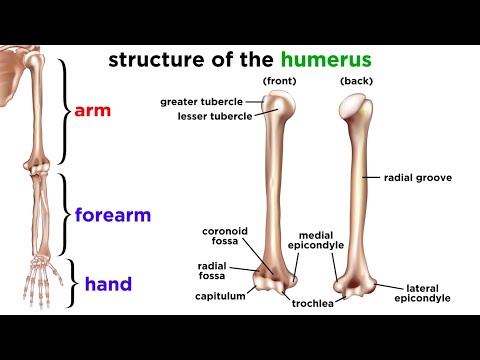
- Long Bones: These are the big ones in your limbs—like your arms and legs. Think femur (that’s your thigh bone), which is actually the longest bone in your body!
- Short Bones: These are more cube-shaped – like those tiny wrist or ankle bones that help give you flexibility.
- Flat Bones: These ones are broad and thin! Your skull is mainly made up of flat bones along with other places like your ribs.
- Irrregular Bones: As the name suggests, these don’t fit neatly into any category. Your vertebrae (those little guys in your spine) are a perfect example.
You know what’s really cool though? The skeleton isn’t just static; it changes over time! It remodels itself based on what you do or don’t do. If you’re active and lifting weights, for instance, you stimulate bone growth. But if you’re sitting around a lot—well, that can lead to weaker bones over time.
A little personal story: I remember when I broke my wrist playing soccer as a kid (yeah, classic move). The doctor explained how my body would start repairing that broken bone by making new cells to mend it back together. It was like watching a construction crew at work but inside my own arm!
Lastly, quick shoutout to joints – those fun connections between bones that let us move freely. You’ve got all sorts: hinge joints (like elbows), ball-and-socket joints (like hips), and even pivot joints (think neck!).
So next time you think about how everything moves or stays upright while you’re out there living life—it all comes down to those **206 incredible bones** working together behind the scenes! Remember their importance; they really hold everything together!
Understanding Bone Development: At What Age Do Humans Have 206 Bones?
Alright, let’s chat about bones! Did you know that most people think humans have 206 bones? Well, you’re right, but the journey to getting to that magic number is pretty fascinating.
When we’re born, we start off with around 270 bones. Yeah, that’s more than two hundred! But here’s the twist—some of these bones aren’t just sitting pretty; they actually fuse together as we grow. Crazy, right?
So, when do we hit that 206 mark? Generally, around the age of 20 to 25 years, most folks settle into having those 206 distinct bones. The reason for this fusion is mostly about growth and development. As kids grow up, some of those smaller bones combine to become larger ones. Think of it like a jigsaw puzzle coming together.
- Infants: They have more cartilage than bone initially. Like a soft sponge almost! This allows for easier passage through the birth canal.
- Childhood: As you hit toddlerhood and beyond, your bones gradually harden. This process can be influenced by factors like nutrition and physical activity.
- Teenage Years: Growth spurts happen during puberty and there’s a lot going on in terms of bone density and strength during this time.
- Adulthood: By your mid-twenties, you’ve usually reached the final count of 206 bones. These include different shapes and sizes—the skull is one big piece while the spine consists of many small vertebrae!
This combination process means some parts of your body gain strength while also becoming more streamlined. Take the sacrum, for example: it starts as several small vertebrae but fuses into one solid piece in adulthood. This makes your lower back super strong!
Your skeleton isn’t just a static structure either; it’s continually being remodeled throughout life! Bones are living tissue that respond to stress from activities like running or lifting weights. So yeah, even though you settle into 206 bones in adulthood, they stay active! It’s kind of cool how our bodies constantly adapt.
If you’re curious about how your skeleton compares to other animals’, well—different species have different numbers! Cats have about 230 bones and whales can have over 200; but hey, none quite match our unique human structure.
The next time you think about your skeletal system or maybe even show off those dance moves at a party—remember all that hard work behind reaching those 206 bones!
Exploring the Truth: The Human Skeleton and Its 206 Bones in Scientific Perspective
Ever thought about your skeleton? It’s like this amazing framework that holds everything together, right? You might not think about it much, but your body’s structure is built on a whopping 206 bones. These bones come together to protect your organs, help you move, and give shape to your physique.
So, what are these 206 bones actually doing? Well, they’re categorized into two main groups: the axial skeleton and the appendicular skeleton. The axial skeleton includes the skull, spine, ribs, and sternum. It’s like the core of your body. On the other hand, the appendicular skeleton consists of the limbs and their attachments—basically everything else that helps you get around.
- The Skull: This is where it all starts. Your skull has 22 bones that protect your brain. Can you imagine if we didn’t have this protective case? Ouch!
- The Spine: Made up of 33 vertebrae (though some are fused), it keeps you upright while allowing flexibility. Think of it as both a support beam and a super flexible straw.
- The Ribs: There are 12 pairs of ribs that safeguard your heart and lungs. They expand and contract when you breathe – pretty cool how they help with ventilation!
- The Limbs: Now moving to arms and legs! Your arms have 30 bones each; legs have even more because they have to carry all that weight. That’s why they’re so crucial for movement.
The thing is, our bones are living tissues. If you’ve ever fractured a bone—ouch!—you know what I mean. Your body starts repairing itself immediately. cells called osteoblasts build new bone tissue while osteoclasts break down old tissue. It’s like a construction crew at work!
A long time ago, I remember my friend falling off his bike and breaking his arm. It was such a bummer; he had to wear one of those heavy casts for weeks! But later on, you wouldn’t even notice there was ever an injury because his bone healed stronger than before.
Bones aren’t just about structure. They also produce blood cells in bone marrow, store minerals like calcium for when we need them (and oh boy do we need them!), and even play a part in hormone production!
- This mineral balance: Calcium makes our bones durable but needs vitamin D for absorption. So eating healthy is super important!
- Your Skeleton Changes: The number of bones can change too! Babies are born with around 270, but as they grow up, some fuse together until we hit that magical number: 206.
Bones also tell stories about our lives through their density or fracture patterns—the kind of life we’ve led can leave marks on us literally! Science uses this info to learn more about ancient humans or how modern lifestyles impact our health.
If you’ve got any questions about what else these sturdy little guys do or how they keep us standing strong (literally), just ask away! There’s so much more beneath those layers than meets the eye—and learning about them can make us appreciate our bodies even more!
You know, it’s pretty mind-blowing to think that there are 206 bones making up what we call our skeleton. Like, every time you move, jump, or even just sit down, those bones are silently working together to keep everything in place. It’s kinda like a super intricate puzzle that holds us together.
I remember once, during a game of basketball with friends, I went for a layup and totally missed. Instead of scoring the point, I landed awkwardly and felt this sharp pain in my ankle. I was like, “Ugh! What did I just do?” Turns out, it’s not just the big bones that matter; even tiny ones in your ankle play a crucial role in keeping you active and on your toes—literally!
So, let’s take a quick look at some of these bones. The skull is this amazing protective case for our brains. And then you’ve got the ribcage shielding your heart and lungs like a knight with armor. Pretty neat, huh?
But here’s where it gets interesting: each bone has its own story and purpose. Some are long and strong—like the femur in your thigh—while others are tiny little guys like those in your ear called ossicles that help us hear. It’s all about teamwork! They connect through joints with ligaments holding them tight like best friends supporting each other.
And get this: as we grow older, some things might change—our bones can lose density or even break more easily if we’re not careful. It reminds me of an old chair—you know how it starts creaking after years of use? Well, our bones need care too! Eating foods rich in calcium and getting enough exercise keeps them strong.
So next time you’re running around or just lounging on the couch binge-watching your favorite show, think about all those amazing 206 bones hanging out together inside you. It’s incredible how they work behind the scenes to keep us upright and moving through life!